
If you've sprayed a line of ants marching across your Glendale kitchen counter and watched a new trail appear somewhere else within days, you've experienced the single most common mistake in ant control: killing the ants you can see instead of the colony you can't. Contact sprays kill on contact, but a mature ant colony can hold thousands of workers and multiple queens — losing a few dozen foragers barely registers, and the surviving ants simply reroute around the sprayed area.
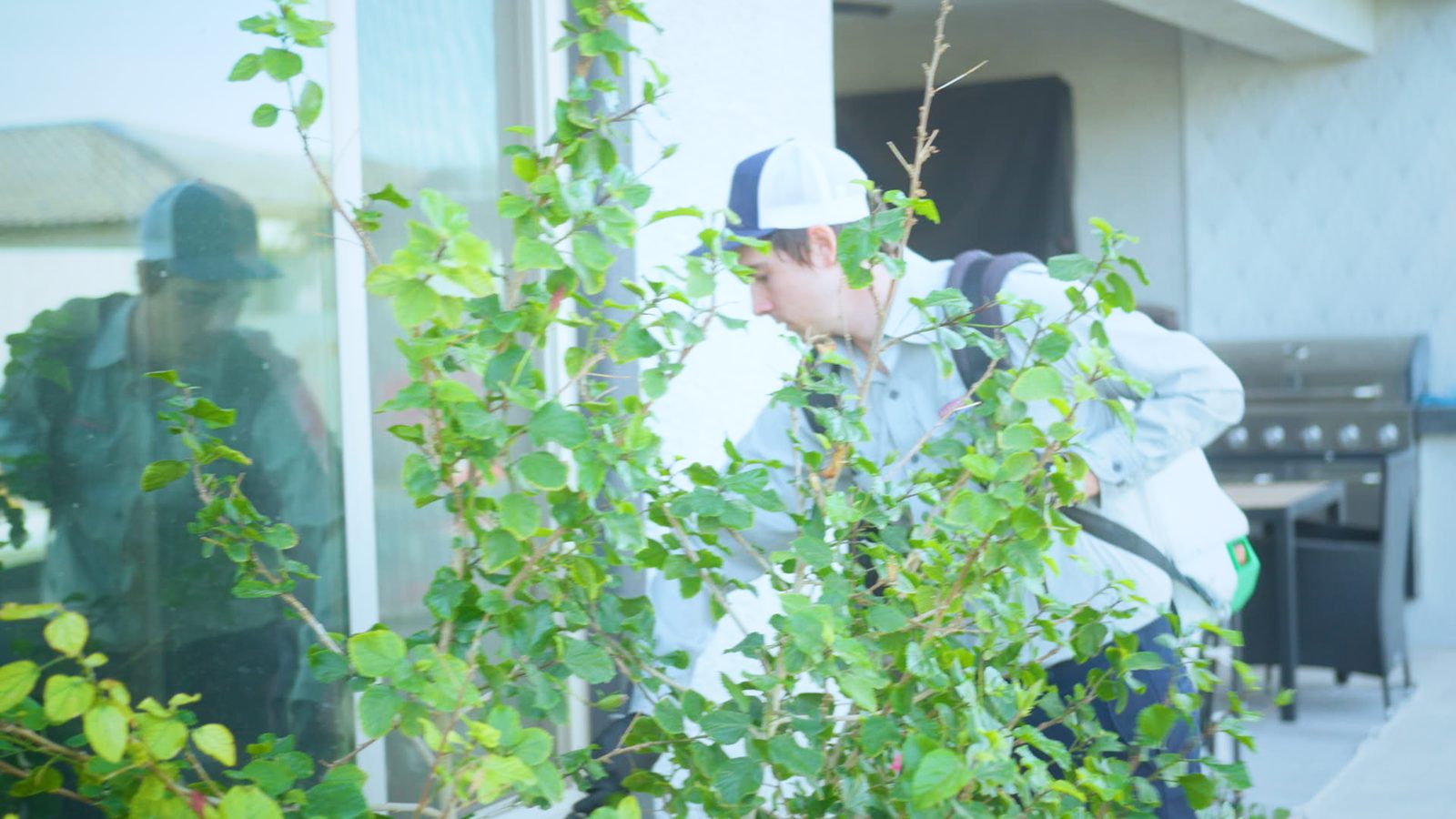
Our ant control program for Glendale uses slow-acting baits specifically so foraging ants carry the product back to the colony and share it — the only approach that actually reaches the queen and stops the colony from producing new workers.
The Ants Behind Most Glendale Complaints
Glendale's mix of mature, established landscaping in older neighborhoods and irrigated turf in newer developments creates good conditions for several species. Odorous house ants (the classic "sugar ant" with a rotten-coconut smell when crushed) are the most common indoor nuisance, drawn to anything sweet or greasy left on a counter. Fire ants and pavement ants show up more in yards and along sidewalks and driveways, and can deliver a genuinely painful sting if a mound is disturbed.
Why Spraying Backfires
Beyond simply missing the colony, a contact spray applied along a visible trail actually disrupts the pheromone trail ants use to navigate — which sounds like a win, but it often just causes the colony to "bud," splitting into multiple smaller colonies that are individually harder to locate and treat. What looked like one ant problem can become three.
Our Process
- Trail and entry-point identification — tracing active trails back toward likely nesting sites rather than treating only where ants are currently visible.
- Interior gel baiting at entry points and along known trails, formulated to be attractive enough that foragers choose it over whatever they were originally after.
- Exterior granular bait and perimeter treatment to address outdoor colonies before they ever reach the house.
- Follow-up monitoring to confirm bait uptake is working and adjust placement if a colony shifts its foraging pattern.
Frequently Asked Questions About Ant Control in Glendale
How long does ant bait take to work?
Most Glendale homeowners see a noticeable drop in activity within a few days to a week, with full colony elimination typically taking two to three weeks as bait works through the colony's full population, including the queen.
Should I clean up the ants I see before treatment?
Wipe up food residue, but avoid spraying or disturbing an active trail right before a scheduled treatment — an intact trail actually helps our technician confirm bait placement is working.
How much does ant control cost in Glendale?
Standalone ant treatments typically run $125–$200 depending on severity and property size; ongoing ant prevention is included in our standard monthly pest plans. Call (480) 422-8388 for a free quote.
Call (480) 422-8388 or visit our Glendale ant control page to schedule an inspection.