
Arizona homeowners face a year-round battle with pests — from bark scorpions emerging in spring to rodents seeking warmth in winter. A seasonal pest control checklist keeps you one step ahead of infestations before they start. At Bucksworth Home Services, we've helped thousands of Phoenix and Tucson families stay pest-free with preventive strategies tailored to our desert climate.
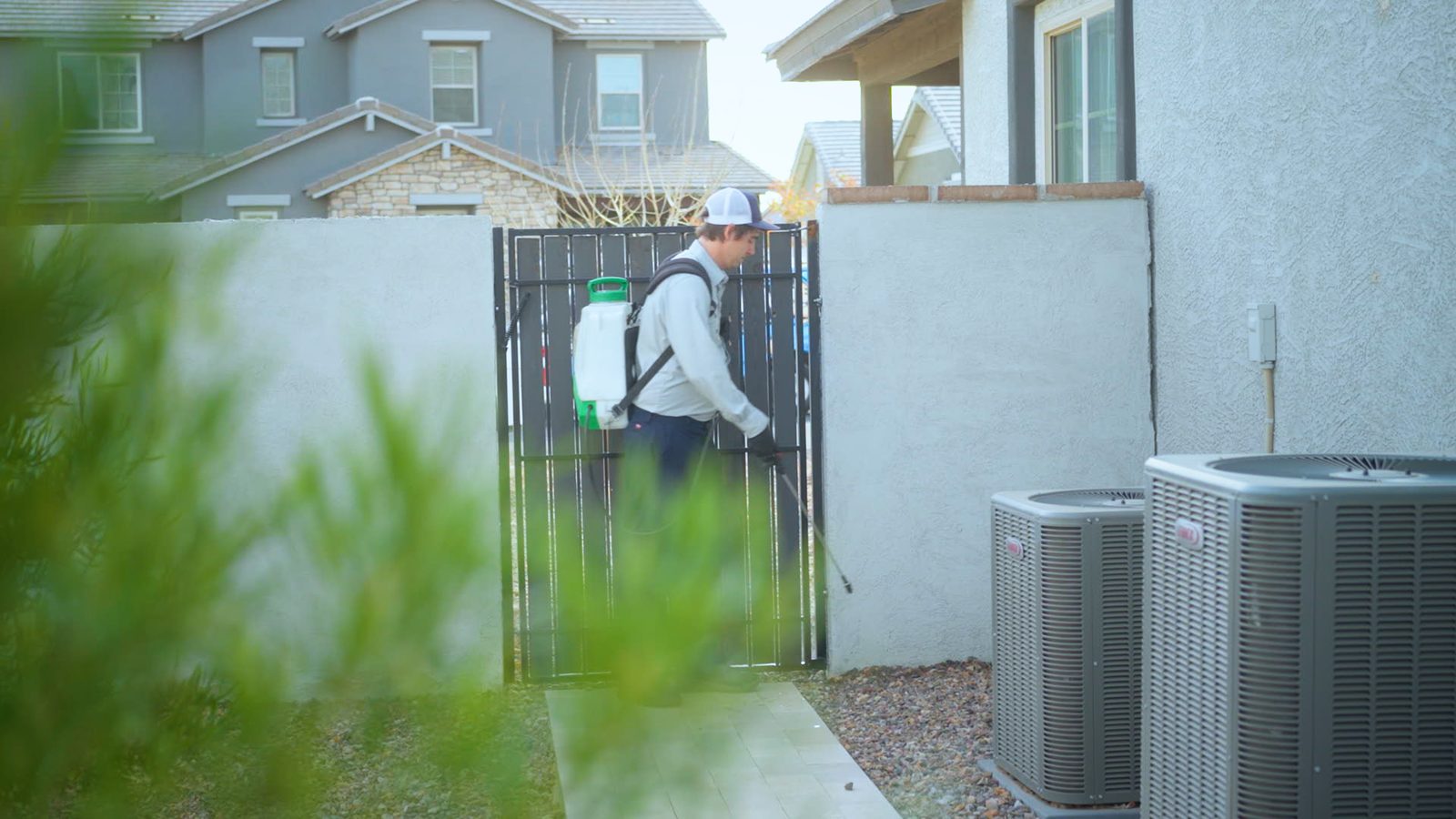
Whether you handle prevention yourself or schedule professional pest control services, this month-by-month checklist ensures nothing slips through the cracks.
Why Arizona Needs a Seasonal Pest Control Plan
Unlike cooler climates where winter freezes kill off most insects, Arizona's mild winters let pests remain active all year. Scorpions, termites, roaches, and rodents simply shift behavior patterns with the seasons rather than dying off. That's why a one-time treatment rarely works — you need a seasonal pest control checklist that adapts to what's active each quarter.
| Season | Top Arizona Pests | Priority Action |
|---|---|---|
| Spring (Mar–May) | Termites, scorpions, carpenter bees | Seal entry points, schedule termite inspection |
| Summer (Jun–Aug) | Mosquitoes, ants, roaches, flies | Eliminate standing water, secure food storage |
| Fall (Sep–Nov) | Rodents, stink bugs, spiders | Seal gaps, store firewood away from home |
| Winter (Dec–Feb) | Cockroaches, spiders, bed bugs | Reduce indoor moisture, deep clean |
Spring Pest Prevention Checklist (March–May)
Termite swarming season kicks off in spring across the Phoenix metro, and carpenter bees begin boring into wooden structures. Queen bees emerge from dormancy to build new colonies near homes. Scorpions become more active as temperatures rise above 70°F.
Seal Entry Points
Walk the perimeter of your home and inspect for gaps around pipes, utility lines, and the foundation. Use caulk, weatherstripping, or expanding foam to close openings. Even a gap as small as 1/16 of an inch is wide enough for a scorpion to squeeze through.
Clear Foundation Debris
Remove fallen branches, leaf piles, and mulch within 12 inches of your foundation. These materials trap moisture and create ideal hiding spots for scorpions, crickets, and roaches.
Trim Vegetation
Keep trees, shrubs, and landscaping at least 6–12 inches away from your home's exterior walls. Overhanging branches are highways for ants, roof rats, and spiders to access your roof and attic.
Inspect Screens and Weatherstripping
Replace torn window and door screens. Check weatherstripping around all exterior doors — if you can see daylight, pests can get in. This is one of the most cost-effective steps on any pest prevention checklist.
Schedule a Termite Inspection
Spring is the best time for a professional termite inspection. Look for discarded wings near windows, mud tubes along the foundation, and hollow-sounding wood.
Summer Pest Prevention Checklist (June–August)
Summer in Arizona means monsoon moisture, which drives mosquitoes, ants, and cockroaches into overdrive. Temperatures above 100°F push pests indoors seeking water and cooler shelter.
Eliminate Standing Water
Drain birdbaths, empty plant saucers, and clear blocked gutters after monsoon rains. Mosquitoes can breed in as little as a bottle cap of stagnant water. Walk your property weekly during monsoon season.
Secure Food Storage
Store pantry items in airtight containers. Clean up spills immediately, especially outdoors during barbecues. Never leave pet food out overnight — it's a magnet for roaches and rodents.
Repair Plumbing Leaks
Fix dripping faucets and running toilets promptly. In the desert, any moisture source attracts pests from a wide radius. Check under sinks, around water heaters, and near plumbing connections.
Use Yellow "Bug Lights" Outdoors
Replace standard porch lights with yellow or sodium vapor bulbs that are less attractive to flying insects. Position lights away from doors and windows to avoid drawing bugs toward entry points.
Maintain Lawn and Garden
Mow regularly, remove weeds, and trim back ground cover. Overgrown yards provide shelter and breeding grounds for crickets, spiders, and invasive weeds that attract additional pests.
Fall Pest Prevention Checklist (September–November)
As desert temperatures cool, rodents like pack rats and roof rats seek shelter inside homes. Spiders become more visible as males wander in search of mates, and stink bugs look for warm overwintering sites.
Seal Cracks and Gaps (Again)
Re-inspect your home's exterior — summer heat can cause caulk to crack and weatherstripping to deteriorate. Pay extra attention to areas around utility penetrations, dryer vents, and where the roof meets the wall.
Store Firewood Properly
Keep firewood stacked at least 20 feet from your home and elevated off the ground. Woodpiles are prime habitat for bark scorpions, black widows, and termites.
Clean Chimneys and Dryer Vents
Have chimneys professionally cleaned and inspected. Install caps or screens to prevent birds, roof rats, and bats from nesting inside. Don't forget dryer vents — lint buildup attracts pests and creates a fire hazard.
Inspect Attics and Crawl Spaces
Look for rodent droppings, chewed wiring, nesting materials, or gaps that could admit pests. Ensure proper ventilation to prevent moisture buildup that attracts cockroaches and silverfish.
Clean Gutters
Clear leaves and debris from gutters before winter. Clogged gutters create moisture near your roofline — an invitation for mosquitoes, wasps, and wood-damaging pests.
Winter Pest Prevention Checklist (December–February)
Arizona winters are mild, but nighttime lows in the 30s–40s drive cockroaches, spiders, and even scorpions indoors. Holiday travel can also introduce bed bugs from hotels.
Plug Small Gaps with Steel Wool
Fill gaps around pipes and utility penetrations with steel wool, then seal with caulk. Rodents can't chew through steel wool, making it more effective than foam alone.
Reduce Indoor Moisture
Use exhaust fans in bathrooms and kitchens. Consider a dehumidifier for basements, attics, and crawl spaces. Low humidity makes your home less inviting to cockroaches, silverfish, and centipedes.
Inspect Insulation
Check attic and wall insulation for signs of rodent damage — shredded material, droppings, or urine stains. Replace contaminated insulation and seal entry points discovered.
Deep Clean Your Home
Declutter storage areas, vacuum behind appliances, and clean under sinks. Fewer hiding spots and food crumbs mean fewer pests surviving the winter indoors.
Inspect Holiday Items
Before bringing holiday decorations from storage or luggage from travel, inspect for pests. Bed bugs, spiders, and roaches can hide in boxes, suitcases, and fabric items.
Month-by-Month Quick Reference
| Month | Key Tasks |
|---|---|
| January | Check for rodent activity, inspect insulation |
| February | Re-caulk exterior gaps, clean storage areas |
| March | Start perimeter pest treatments, schedule termite inspection |
| April | Trim vegetation, check screens and doors |
| May | Begin scorpion prevention, seal A/C line penetrations |
| June | Eliminate standing water, monsoon prep |
| July | Weekly property walks after storms, food storage audit |
| August | Treat ant trails, check indoor moisture levels |
| September | Re-seal exterior, begin fall rodent prevention |
| October | Store firewood properly, clean chimneys |
| November | Inspect attics and crawl spaces, clean gutters |
| December | Deep clean, inspect holiday items, reduce moisture |
When to Call a Professional
DIY prevention goes a long way, but some situations require professional intervention:
- Active termite signs — mud tubes, discarded wings, or hollow wood
- Scorpion sightings — seeing even one bark scorpion indoors suggests more are hiding
- Rodent droppings — especially in kitchens, pantries, or near food storage
- Recurring roach problems — if DIY sprays aren't controlling the population
- Bee or wasp nests — never attempt removal yourself, especially Africanized bee hives
Bucksworth Home Services offers monthly and bi-monthly pest control plans designed for Arizona's unique climate. Our licensed technicians serve 33 cities across the Phoenix and Tucson metro areas. Call (480) 422-8388 or request service online for a free inspection.
Frequently Asked Questions
How often should I get pest control in Arizona?
Monthly treatments are recommended during peak season (March–October). Bi-monthly service works well for homes with low pest pressure during winter months. Bucksworth offers flexible maintenance plans that adjust to seasonal needs.
What is the most common pest in Arizona homes?
Cockroaches are the most frequently encountered pest in Arizona homes, followed closely by ants and bark scorpions. During monsoon season, mosquitoes and crickets also spike.
Can I do pest control myself or do I need a professional?
Prevention tasks like sealing entry points, removing standing water, and maintaining your yard are effective DIY steps. However, treatment for termites, scorpions, and established infestations should always be handled by a licensed professional with proper equipment and products.
Does pest control spray inside or outside the house?
Both. Professional treatments typically include a perimeter barrier spray around the exterior foundation, plus targeted interior treatment in kitchens, bathrooms, garages, and other high-activity areas. Bucksworth's treatments are family- and pet-safe once dry.
How much does seasonal pest control cost in Arizona?
Monthly pest control plans in the Phoenix and Tucson areas typically range from $35–$60 per month depending on home size and pest types. Bucksworth offers a free initial inspection to assess your needs. Get a free instant estimate.