
The scratching started around 2 a.m. — a rhythmic scurrying inside the ceiling above the master bedroom in Avalon Village. Every night for two weeks, the same sound. By the time the homeowner called Bucksworth, our inspection revealed an established roof rat colony in the attic: 45+ droppings per linear foot along the main truss, gnawed electrical wiring, and three separate entry points where the roofline met the fascia. The damage estimate from the electrician alone was over $2,800. In Casa Grande, rodent exclusion is not an upgrade — it is a necessity for protecting your home and your family.
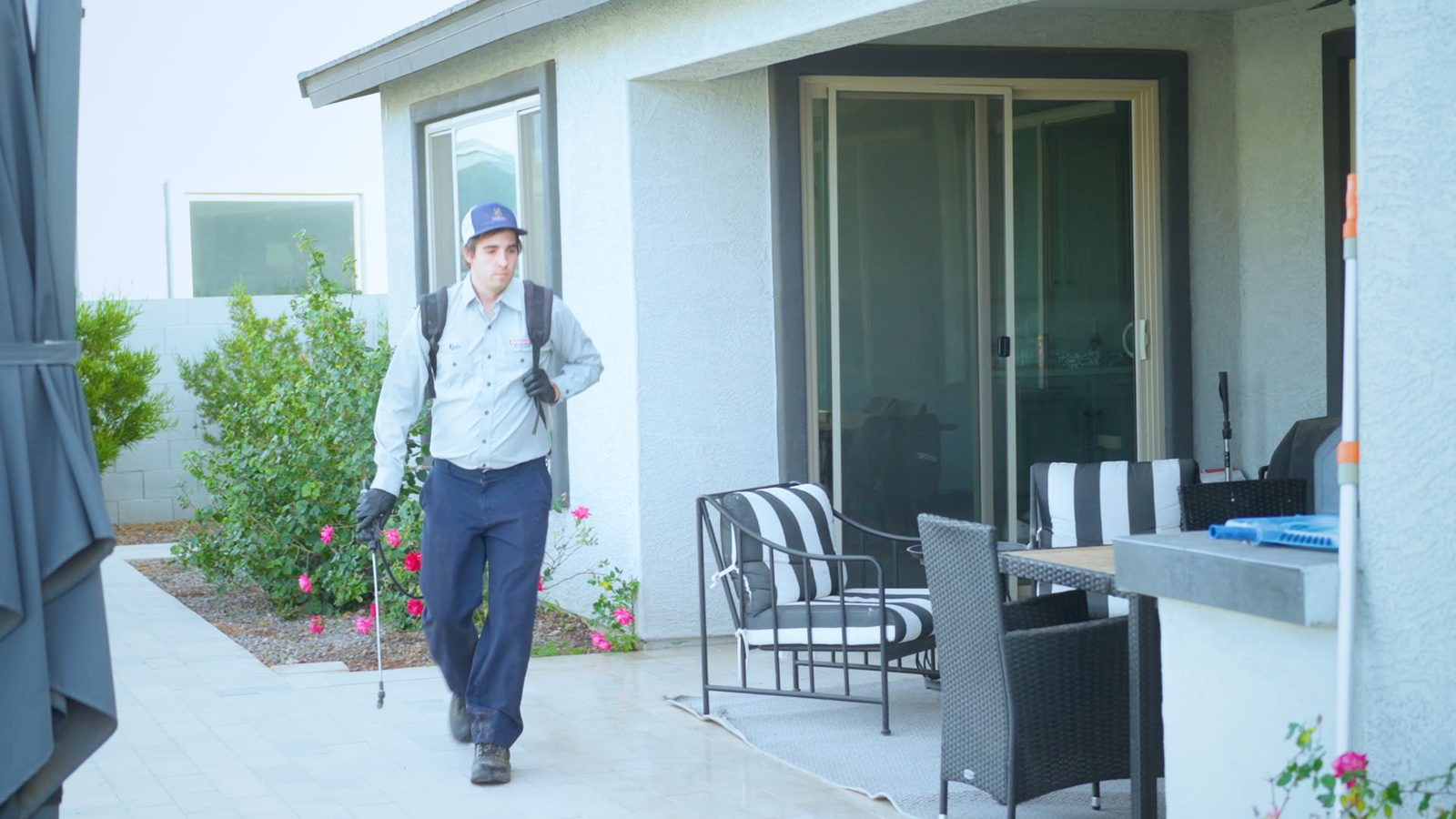
The Real Dangers of Rodents in Casa Grande Homes
Between Phoenix and Tucson in Pinal County, agricultural land and desert create heavy pest pressure from scorpions, ants, roaches, rodents The same conditions that make Casa Grande a great place to live make it ideal rodent habitat — and the consequences of an untreated rodent problem in your 85193 area home are serious:
Structural damage. Rodents gnaw through wood, drywall, PVC pipes, flexible ductwork, and spray foam insulation. Roof rats in Avalon Village attics damage trusses, roof decking, and storage items. Packrats destroy AC wiring, pool pump components, and vehicle electrical systems. A single rodent can cause thousands of dollars in damage within weeks of establishing residence.
Fire risk. Rodents gnaw electrical wiring, stripping insulation and exposing bare conductors. The National Fire Protection Association estimates that rodent-damaged wiring causes 20–25% of undetermined-origin house fires nationwide. In Casa Grande attics, where temperatures regularly exceed 150°F in summer, compromised wiring combined with disturbed insulation creates extreme fire risk.
Health hazards. Rodent urine and feces contaminate food, air, and surfaces. Hantavirus (carried by deer mice), salmonella (carried by all rodent species), and leptospirosis are all present in the Casa Grande rodent population. Accumulated droppings in attics create respiratory hazards from airborne particulates. Rodent parasites — fleas, ticks, and mites — transfer to pets and humans inside Avalon Village homes.
Contaminated insulation. Attic insulation compressed and contaminated by rodent activity loses R-value and becomes a health hazard. In many 85193 area homes with chronic rodent problems, full attic insulation replacement is necessary — a $3,000–$8,000 expense on top of the rodent remediation itself.
| Rodent Type | Common Entry | Primary Damage | Health Risk |
|---|---|---|---|
| Roof Rat | Eaves, roof gaps | Wiring, insulation | Salmonella, fleas |
| Packrat | Ground-level gaps | AC/pool equipment | Plague (rare), ticks |
| House Mouse | Gaps as small as ¼" | Food contamination | Hantavirus, salmonella |
| Deer Mouse | Foundation gaps | Stored items | Hantavirus (primary) |
Professional rodent exclusion addresses all of these risks by permanently sealing rodents out of your home structure.
Rodent Season in Casa Grande: When Infestations Spike
Rodent activity in Casa Grande follows a predictable annual pattern driven by temperature, food availability, and breeding cycles — and knowing the cycle helps homeowners in Avalon Village stay ahead of problems:
October–December: As overnight temperatures in the 85193 area drop below 65°F, roof rats and house mice start seeking warm, sheltered harborage inside attics, wall voids, and garages. This is the primary home-invasion season. Packrats (woodrats) begin building middens against foundations and in engine compartments. Activity around Casa Grande Ruins National Monument increases dramatically as desert rodents migrate toward residential food and water sources.
January–March: Peak indoor rodent season. Rodents established inside your Avalon Village home during fall are now breeding. A single pair of roof rats can produce 40+ offspring per year. Droppings, gnaw marks, and nocturnal scratching in attics and walls become noticeable. This is when most Casa Grande homeowners discover they have a problem — and by then, the colony is established.
April–June: Breeding accelerates as temperatures warm. Juvenile rodents from winter litters disperse to establish new territories. Packrats are highly active, building nests in pool equipment, AC units, and landscaping throughout the 85193 area. Roof rats expand their runs along block walls and utility lines between properties.
July–September: Monsoon rains drive a massive insect hatch that provides abundant food. Citrus trees, garden vegetables, and pet food left outdoors sustain summer populations. Rodents remain active but spend more time outdoors — until the cycle repeats in fall.
Year-round exclusion and monitoring is the only way to break this cycle. Bucksworth's rodent exclusion program seals your Avalon Village home against entry and eliminates existing populations before they can breed.
How Bucksworth's Rodent Exclusion Protects Casa Grande Homes
Our rodent exclusion program is a three-phase approach designed to eliminate existing rodents, seal your home permanently, and prevent re-infestation:
- Phase 1: Comprehensive inspection. Our technician inspects every inch of your home's exterior and interior — from roofline to foundation, attic to crawlspace. We identify active entry points (gnaw marks, rub marks, droppings), potential entry points (unsealed gaps, deteriorated materials), and evidence of current or past rodent activity. For Avalon Village homes, we also inspect attached structures, pool equipment areas, and landscaping features that serve as rodent staging areas.
- Phase 2: Exclusion sealing. Every identified entry point is sealed with appropriate rodent-proof materials: galvanized steel mesh, metal flashing, copper wool, concrete patching, or commercial-grade sealant. We seal roofline gaps, fascia-to-wall junctions, plumbing and AC penetrations, weep holes (screened, not blocked), garage door perimeters, and any structural gap larger than ¼ inch on your 85193 area home. All materials are weather-resistant and matched to your home's aesthetics.
- Phase 3: Population elimination and monitoring. Tamper-resistant bait stations and snap traps are placed at strategic locations to eliminate any rodents currently inside or actively targeting your property. Monitoring stations around the exterior detect rodent activity before it becomes an interior problem. We check and service all stations on a regular schedule for Avalon Village properties.
The result: a sealed home that rodents physically cannot enter, with monitoring to catch any new attempts before they succeed. Most Casa Grande homeowners see complete elimination of indoor rodent activity within 2–4 weeks of exclusion service.
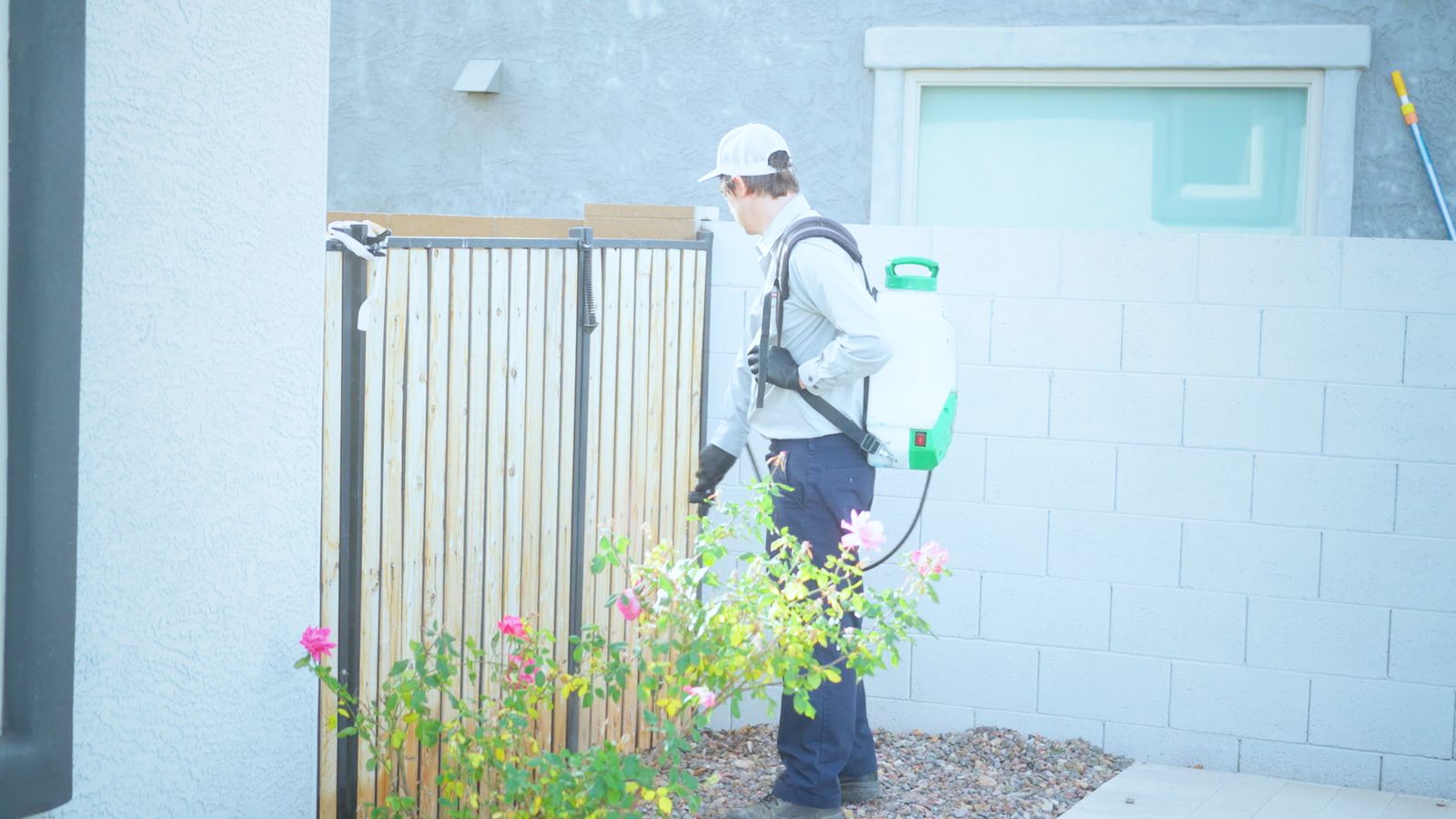
Reducing Rodent Attraction Around Your Casa Grande Home
Professional exclusion seals rodents out, but reducing what attracts them in the first place keeps population pressure low around your Avalon Village property:
- Manage citrus and fruit trees. Citrus is the single biggest roof rat attractant in Casa Grande. Pick fruit as soon as it ripens. Remove fallen fruit daily. Thin dense canopy to reduce aerial cover. If possible, keep citrus tree branches trimmed at least 4 feet from your roofline and block walls in the 85193 area.
- Eliminate pet food access. Feed pets indoors or remove outdoor food bowls before dark. Roof rats and mice are nocturnal — a bowl of dog food left on the patio in Avalon Village is a guaranteed rodent feeding station.
- Secure trash and compost. Use bins with tight-fitting lids. Keep dumpster areas clean. Compost bins should be rodent-proof (solid-sided, no ground-level access). Food waste in open bins near Casa Grande Ruins National Monument sustains rodent colonies.
- Remove harborage. Dense groundcover, palm tree skirts, woodpiles, stored junk, and debris stacked against foundations provide rodent nesting sites. Maintain a 12-inch clear zone between landscaping and your exterior walls. Trim palm trees to remove dead frond skirts that shelter roof rats.
- Address water sources. Fix irrigation leaks, eliminate standing water, and cover pool equipment. In the desert, water is the limiting resource for rodent populations — removing accessible water sources around your 85193 area home significantly reduces rodent pressure.
Rodent Pressure Across Casa Grande Neighborhoods
Rodent species distribution and infestation severity vary significantly across Casa Grande based on landscaping maturity, construction age, and proximity to agricultural or desert land:
Avalon Village — Established neighborhoods with mature citrus trees, palm trees, and dense landscaping experience the highest roof rat pressure in Casa Grande. The aerial canopy connecting trees to rooflines provides highway-level access for rats moving between properties. Block wall perimeters serve as ground-level travel corridors. Homes with older construction often have more entry points due to settling, weathered seals, and original construction gaps never addressed.
Pinal Vista — Newer developments may have fewer mature trees, but packrats thrive in the desert-edge landscape common in newer areas. Gravel yards, decorative boulders, and desert plantings provide excellent packrat habitat right against foundations. Pool equipment and AC condenser units are particularly vulnerable in these neighborhoods.
Across the 85193 zip code near Casa Grande Ruins National Monument, every residential property is within rodent travel range. Roof rats travel up to 300 feet from their nesting site nightly. A neighbor's citrus tree two houses away still puts your property at risk.
Bucksworth's exclusion program is designed for Casa Grande's specific construction and landscape characteristics. We know where rodents enter homes in Avalon Village and Pinal Vista because we seal them out every week.
Bucksworth Home Services provides professional rodent exclusion for Casa Grande homes across Avalon Village, Pinal Vista, and the entire 85193 zip code. We seal roof rats out of attics, keep packrats out of pool equipment, and prevent house mice from contaminating kitchens. Our exclusion work is guaranteed, and our monitoring program keeps your home protected year-round. Call (480) 422-8388 for your free rodent inspection.
Why Casa Grande Homeowners Trust Bucksworth Home Services
Bucksworth Home Services was founded right here in Arizona by Jordan Moore. We are not a franchise. We are not a national chain with a call center in another state. We are a locally owned company with technicians who live in the communities they serve — including Avalon Village.
When you call Bucksworth, you get:
- Local expertise — We know Casa Grande. We know the soil, the climate, the pest pressure, the plumbing challenges, and the HVAC demands of every neighborhood in the area.
- Honest communication — We tell you what we find, explain your options, and let you decide. No pressure, no upselling, no scare tactics.
- Licensed professionals — Every Bucksworth technician is licensed, insured, and trained for Arizona-specific conditions.
- Satisfaction guaranteed — If you are not happy with our work, we make it right. Period.
Call us today at (480) 422-8388 or visit our Rodent Exclusion page for Casa Grande to schedule your appointment.
Frequently Asked Questions About Rodent Exclusion in Casa Grande
How much does rodent exclusion cost in Casa Grande?
Rodent exclusion in Casa Grande typically ranges from $450–$1,200 for a standard single-story home, depending on the number of entry points and the severity of existing damage. Two-story homes and properties with extensive roofline gaps may cost more. Bucksworth Home Services provides a free inspection and detailed estimate for your Avalon Village home — no obligation. We also offer ongoing monitoring plans starting at $49/quarter to maintain exclusion integrity. Call (480) 422-8388 for your free assessment.
What is the difference between rodent exclusion and extermination?
Extermination (trapping and baiting) kills rodents currently in your home but does not prevent new ones from entering through the same gaps. Exclusion physically seals every entry point in your 85193 area home with rodent-proof materials so no new rodents can get inside. Bucksworth combines both: we seal your home AND eliminate any rodents currently inside. Exclusion is the only permanent solution — it addresses the cause, not just the symptom.
How do roof rats get into Casa Grande attics?
Roof rats are excellent climbers and commonly enter Casa Grande attics through gaps at the roofline-to-fascia junction, damaged or missing soffit panels, unsealed plumbing vent stacks, broken roof tiles, open gable vents, and AC line penetrations. They access rooflines by climbing trees, power lines, block walls, and stucco walls. Any gap larger than ½ inch is a potential roof rat entry point in your Avalon Village home. Our inspection identifies every one.
Do rodents cause house fires?
Yes. Rodents gnaw on electrical wiring, stripping the insulation and exposing bare conductors that can arc and ignite surrounding materials. The National Fire Protection Association links rodent-damaged wiring to an estimated 20–25% of undetermined-origin house fires. In Casa Grande attics, where summer temperatures exceed 150°F, the fire risk from gnawed wiring is extreme. Rodent exclusion eliminates this risk by preventing rodents from accessing your 85193 area home's wiring in the first place.
Schedule Your Rodent Exclusion Service in Casa Grande Today
Do not wait for the problem to get worse. Whether you are in Avalon Village, Pinal Vista, or anywhere in the 85193 zip code, Bucksworth Home Services is ready to help. Call us at (480) 422-8388 or visit our Casa Grande rodent exclusion page to schedule your service today.