
A professional HVAC maintenance inspection is the single best thing you can do to extend your system's life, lower energy bills, and avoid emergency breakdowns — especially in Arizona where your AC runs 6+ months per year. But what exactly should a technician check? Here's the complete breakdown so you know you're getting a thorough inspection every time.
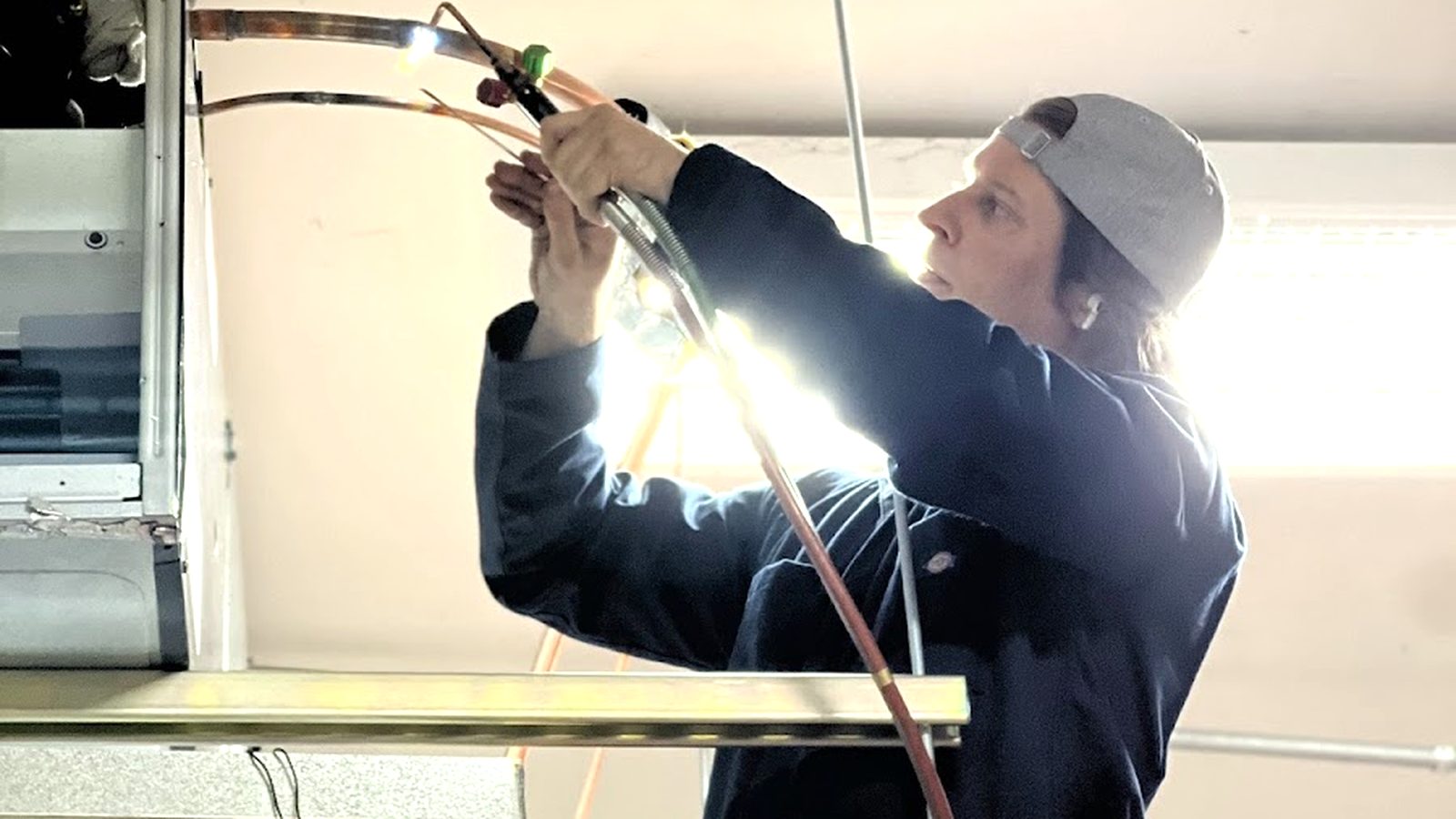
At Bucksworth Home Services, our Arizona-licensed HVAC specialists follow industry standards from the Air Conditioning Contractors of America (ACCA) on every visit. We serve Phoenix, Tucson, and 33 surrounding cities with transparent, thorough maintenance. Here's what you should expect.
Why Regular HVAC Inspections Matter
Your heating, ventilation, and air conditioning system works harder in Arizona than almost anywhere in the country. Summer temperatures above 110°F mean your AC runs 12–16 hours daily. Without regular maintenance:
- Energy bills increase 5–15% per year as efficiency degrades
- System lifespan drops from 15–20 years to as few as 8–10 years
- Breakdowns happen at the worst times — during peak heat when repair companies are busiest
- Most manufacturer warranties require documented annual maintenance
According to the U.S. Department of Energy (DOE), an AC with a clean filter uses up to 15% less energy than one with a dirty filter. A full inspection goes far beyond the filter.
Complete HVAC Inspection Checklist
A professional maintenance visit should take 45 minutes to one hour. Anything significantly shorter likely means components were skipped. Here's what a thorough AC inspection and heating check covers:
| Component | What the Tech Checks | Why It Matters |
|---|---|---|
| Air Filter | Condition, size, MERV rating | Dirty filters restrict airflow and increase energy use 5–15% |
| Thermostat | Calibration, programming, responsiveness | Incorrect calibration can cause short cycling and uneven temps |
| Electrical Connections | Tighten connections, measure voltage/amperage | Loose connections cause unsafe operation and component failure |
| Capacitors | Test start and run capacitors with meter | Failed capacitors are the #1 cause of AC breakdowns in Arizona |
| Refrigerant Levels | Measure pressures, check for leaks | Low refrigerant reduces cooling and can damage the compressor |
| Condenser Coil | Clean outdoor coil, check fin condition | Dirty coils force the system to work harder and run longer |
| Evaporator Coil | Inspect for ice, dirt, microbial growth | Dirty coils reduce airflow and can cause water damage |
| Condensate Drain | Clear drain line, check pan, test float switch | Clogged drains cause water damage and mold growth |
| Blower Motor | Clean blower wheel, check amperage, lubricate | Weak airflow means poor cooling and higher bills |
| Ductwork | Inspect visible ducts for leaks, damage, insulation | Leaky ducts waste 20–30% of conditioned air |
| Contactor | Inspect for pitting, arcing, wear | Worn contactors cause intermittent operation |
| Safety Controls | Test high-pressure switch, limit switches | Safety controls prevent fires and equipment damage |
What Happens During an AC Inspection (Step by Step)
Here's the typical flow of a professional HVAC maintenance inspection:
1. Thermostat and Controls Check
The technician verifies your thermostat is calibrated correctly, checks programming settings, and ensures the system cycles on and off properly. They'll also test the system in both heating and cooling modes if applicable.
2. Electrical System Inspection
All electrical connections are inspected and tightened. The tech measures voltage and amperage on motors and compressors, tests capacitors with a multimeter, and checks the contactor for wear. Faulty electrical components are the leading cause of AC failures in extreme heat.
3. Refrigerant System Check
Using gauges, the technician measures refrigerant pressures to confirm proper charge. They inspect refrigerant lines for damage and check for leaks using electronic leak detectors or UV dye. Low refrigerant doesn't just reduce cooling — it can destroy your compressor, the most expensive component in the system.
4. Airflow and Ductwork Assessment
The blower motor and wheel are inspected and cleaned. The tech checks static pressure to evaluate airflow. Visible ductwork is inspected for leaks, disconnections, and damaged insulation. In Arizona, duct leaks in unconditioned attic spaces can waste up to 30% of your cooling.
5. Coil Cleaning and Inspection
Both the indoor evaporator coil and outdoor condenser coil are inspected. The outdoor coil is cleaned to remove dust, debris, and palo verde seed pods (a common Arizona issue). Dirty coils are one of the top efficiency killers.
6. Condensate Drain Service
The drain line is cleared, the drain pan is inspected, and the float safety switch is tested. In humid monsoon months, algae and mineral buildup can clog drain lines and cause water damage to ceilings and walls.
7. Safety and Performance Testing
The tech runs the full system and measures supply and return air temperatures (the "split" should be 15–20°F for cooling). All safety switches are tested. Any carbon monoxide risks from gas furnaces are checked during heating season.
AC Inspection vs. Full HVAC Inspection
| AC Inspection (Cooling) | Full HVAC Inspection | |
|---|---|---|
| When | Spring (before summer) | Spring + Fall |
| Covers | Cooling system only | AC + heating + air quality |
| Best For | Homes with AC only | Homes with heat pump or furnace + AC |
| Duration | 30–45 minutes | 45–75 minutes |
| Cost (Phoenix area) | $79–$129 | $129–$199 |
Questions to Ask Your HVAC Contractor
Not all maintenance visits are created equal. Ask these questions to ensure you're getting a quality inspection:
- Are you licensed, bonded, and insured? — This is non-negotiable. Bucksworth holds Arizona ROC License #343924.
- Do you follow ACCA standards? — The ACCA sets forth specific checklists by equipment type that quality contractors follow.
- How long will the inspection take? — Under 30 minutes is a red flag. Thorough maintenance requires 45–60 minutes.
- What did you find? — Your technician should always be transparent about findings, from minor issues to urgent safety concerns. At Bucksworth, we provide a written report after every visit.
- What maintenance can I do between visits? — A good tech will explain filter changes (every 30–90 days), keeping the outdoor unit clear, and indoor air quality basics.
Benefits of an HVAC Maintenance Plan
Signing up for a maintenance plan delivers consistent protection and added perks:
- Longer system life — well-maintained systems last 15–20 years vs. 8–10 for neglected ones
- Lower utility bills — clean, tuned systems run 10–25% more efficiently
- Fewer emergency repairs — catch small issues before they become expensive breakdowns
- Priority scheduling — get faster service during peak summer demand
- Warranty protection — most manufacturers require documented maintenance
- Exclusive discounts — Bucksworth plan members get discounts on repairs and new equipment
Bucksworth Home Services makes maintenance simple with automatic appointment reminders, priority service, and member discounts. Get in touch to learn more.
Frequently Asked Questions
How often should HVAC be inspected?
In Arizona, we recommend twice per year — once in spring before cooling season and once in fall before heating season. If you have an older system (10+ years), more frequent checks help catch developing issues early.
How much does an HVAC inspection cost in Phoenix?
A standard AC tune-up in the Phoenix area typically costs $79–$149. Many companies, including Bucksworth, offer maintenance plans that reduce per-visit costs and include additional benefits like priority scheduling and repair discounts.
Is HVAC maintenance really worth it?
Absolutely. The DOE estimates that regular maintenance can reduce heating and cooling costs by up to 15%. More importantly, it prevents surprise breakdowns — the average AC repair in Arizona costs $300–$800, and compressor replacement can exceed $2,000.
What's the difference between HVAC maintenance and HVAC repair?
Maintenance is preventive — it's the routine checkup that keeps your system running well. Repair is reactive — fixing something that's already broken. Regular maintenance dramatically reduces the need for repairs.
Can I do HVAC maintenance myself?
Homeowners should change air filters every 30–90 days, keep the outdoor condenser clear of debris, and ensure vents aren't blocked. However, electrical testing, refrigerant checks, and coil cleaning require professional tools and training. Schedule professional maintenance for these tasks.