
In Phoenix, the time to seed bermuda grass is late spring through midsummer, once soil stays above about 65 to 70 degrees, which usually means May through August. October is not bermuda seeding time. If you want a green lawn this winter, that is ryegrass overseeding, a different job with a different window. Not sure which one your yard needs? Call us at (480) 422-8388 or see our overseeding in Phoenix.
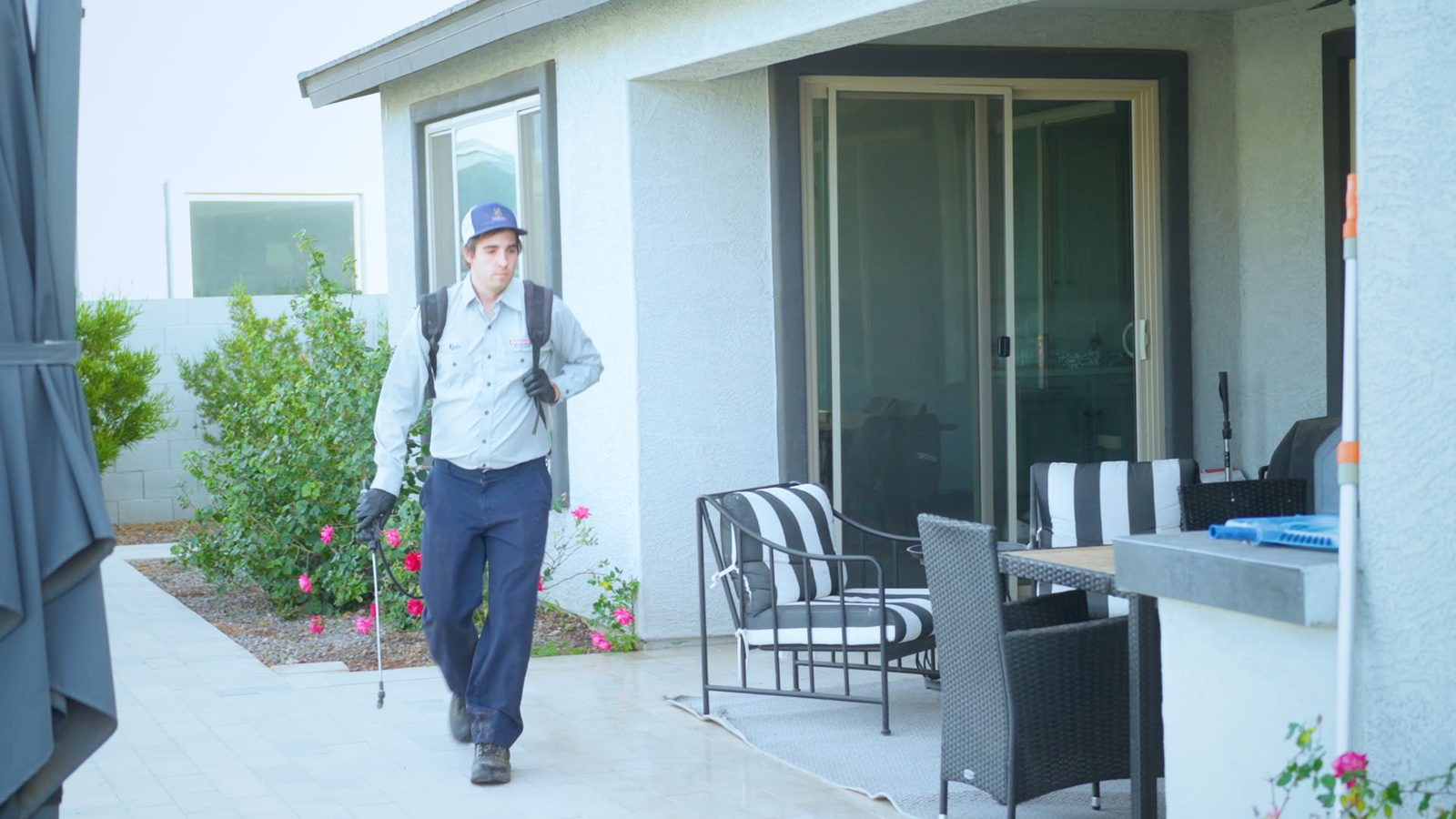
When Is the Best Time to Seed Bermuda Grass in Phoenix?
The best time to seed bermuda in Phoenix is when soil temperatures hold above roughly 65 to 70 degrees and stay there, which for most of the valley is May through August. Bermuda is a warm-season grass. Seed planted in a cold spring or a cooling fall sits in the soil, rots or gets washed out before it can root.
Air temperature fools people here. A 90-degree afternoon in March does not mean the soil is warm. Night lows and the soil underneath matter more, and a cheap soil thermometer pushed four inches into the ground will tell you more than the forecast. We see the same pattern across Phoenix: lawns seeded in May and June fill in quickly, while seed thrown down in March or late September struggles.
What happens if you seed bermuda too early or too late?
Too early, the seed germinates unevenly, the seedlings stall in cool nights and weeds take the open ground. Too late, the young bermuda does not have time to knit together before it goes dormant, so you get thin patches that winter weeds fill instead.
| Month in Phoenix | Soil and weather | Seed bermuda? | What fits this month instead |
|---|---|---|---|
| January to February | Cold soil, lawn dormant or ryegrass growing | No | Winter weed control, mowing the rye |
| March to April | Warming, but nights can still be cool | Too early | Late-winter pre-emergent timing, scalping plans |
| May to June | Soil reliably warm | Yes, best window | Seeding, light frequent watering |
| July to August | Hot soil, monsoon humidity | Yes, with careful watering | Seeding or patching, watching for summer weeds |
| September | Nights begin to ease | Late, risky | Preparing for fall pre-emergent and overseeding |
| October | Soil cooling toward the rye window | No | Ryegrass overseeding (typically early to mid October) |
| November to December | Cool, bermuda going dormant | No | Rye care, winter weed control |
Is Overseeding With Ryegrass the Same as Seeding Bermuda?
No. Seeding bermuda starts or thickens the warm-season lawn that grows in summer. Overseeding spreads perennial ryegrass over a dormant bermuda lawn so it stays green through winter, then fades out in the heat. Most Phoenix homeowners who search for when to seed bermuda in the fall actually want overseeding.
That is why we get so many calls in early October. Someone sees the lawn turning tan, searches for bermuda seed, and ends up with a bag of the wrong thing. For the winter lawn, the window we typically work in around the Phoenix metro is the first weeks of October, and we handle scalping, seeding, topdressing and the watering schedule as one job. Our guides on overseeding timing for Desert Ridge lawns and overseeding Phoenix properties near the Desert Botanical Garden walk through that process.

Can You Put Down Pre-Emergent and Bermuda Seed at the Same Time?
You should not. A pre-emergent herbicide works by stopping seeds from sprouting, and it does not know the difference between a weed seed and the grass seed you just spread. Putting both down in the same window usually means the new bermuda never comes up.
This is the conflict that catches Phoenix homeowners most often, and it is the part most seeding guides skip. If your yard had a pre-emergent barrier applied in late winter, the label waiting period before seeding has to pass first. If you plan to seed in May, tell us early, because the pre-emergent schedule for the year may need to change around it. Our pre-emergent weed control in Phoenix service is built around the opposite goal, so the two plans need to be coordinated rather than stacked. You can see the seasonal logic from the east side of the valley in the pre-emergent window most Mesa homeowners miss.
How long should you wait between pre-emergent and seeding?
It depends on the product and the label, and it can run from several weeks to a few months. That is why we do not give a single number. Check the label on whatever was applied, or call us and we will tell you what went on your yard and when it clears.
Should You Seed, Sod or Plant Plugs?
Seed is the lowest-effort way to start or patch a bermuda lawn, but it is also the slowest to fill in and the easiest to lose to weeds. Sod gives an instant lawn and costs more to install, and plugs sit in between. The right choice depends on how much area you are covering and how fast you need coverage.
| Method | Speed to fill | Weed risk while establishing | Best for |
|---|---|---|---|
| Seed | Slowest | Highest | Patching thin areas, larger open lawns |
| Plugs or sprigs | Medium | Medium | Filling bare spots from healthy turf |
| Sod | Immediate | Lowest | Small front lawns and fast curb appeal |
How Do You Prepare a Phoenix Yard for Bermuda Seed?
Preparation matters more than the seed itself. Good seed on hard, weedy, uneven soil fails, while average seed on a clean, loosened seedbed usually takes. Here is the order we recommend.
- Clear the weeds first. Kill and remove existing weeds before you seed, because seedlings cannot compete with them.
- Check the pre-emergent history. Confirm nothing was applied that will block germination.
- Loosen the surface. Rake or lightly till the top inch or two so the seed can contact soil.
- Spread seed evenly. Split the seed into two passes in different directions so you do not leave bare stripes.
- Cover lightly. A thin layer of topdressing keeps seed from drying out or washing away.
- Water often and shallow. In the heat, the top layer needs to stay moist until the seed sprouts, often several short waterings a day rather than one long soak.
What does a Phoenix lawn need after the seed sprouts?
Once the seed is up, you can taper to less frequent, deeper watering, wait until the grass is established before heavy mowing, and fertilize on the product schedule. Alkaline desert soil and caliche mean that some Phoenix yards also need soil work that no seed bag will fix.
What If the Bermuda Is Already in the Wrong Place?
If you searched for bermuda seeding because bermuda is spreading into flower beds, gravel or a neighbor's yard, you do not need seed. You need control. Bermuda sends runners and rhizomes under rock and through block-wall cracks, and mowing alone spreads it.
We treat that with selective herbicides and edge barriers as part of our bermuda grass control in Phoenix program. If this is the problem, read getting rid of bermuda grass in Laveen for what that looks like in the south valley, or see how the same fight plays out in removing bermuda grass along the McClintock corridor in Tempe. For the Tempe side of the valley, you can also look at our bermuda grass control in Tempe page.
How Do Local Conditions Change Seeding Across Phoenix?
Phoenix is not one lawn climate. A yard in North Phoenix (85085 to 85087) near the desert edge gets more wind and faster drying than a shaded lot in Moon Valley (85022, 85023). Laveen (85339) has former farmland soil that can hold water differently from the caliche-heavy lots in Deer Valley (85024, 85027, 85029) and the block-built neighborhoods of Maryvale (85031, 85033, 85035).
- Open, windy lots: seed dries out faster, so topdressing and watering frequency matter more.
- Shaded lots under mature trees: bermuda is a full-sun grass and may stay thin whatever you seed.
- Caliche or compacted soil: loosen it first or the roots will not get down.
- Rock and gravel borders: expect bermuda to creep across them once it is established.
When Should You Call a Professional Instead?
Call when the yard is a mix of problems: patchy bermuda, winter weeds, pre-emergent history you are unsure about, and a rye overseeding decision coming in a few weeks. Sequencing those jobs correctly is where most DIY seeding goes wrong.
Bucksworth Home Services has been locally owned since 2013 and is based in Apache Junction. We serve Phoenix and the surrounding cities, including Tempe, Mesa, Chandler, Gilbert and Scottsdale. Start with our weed control and lawn care in Phoenix page or the Phoenix service area page, then request service or call (480) 422-8388.
Frequently Asked Questions About Seeding Bermuda Grass in Phoenix
When should I seed bermuda grass in Phoenix?
Seed from about May through August, when soil stays above roughly 65 to 70 degrees. Late spring is usually the best balance of warm soil and time to establish before winter.
Can I seed bermuda grass in October?
Not successfully. Soil is cooling and the seed will not establish before dormancy. October is the window for ryegrass overseeding, not bermuda seed.
How long does bermuda seed take to germinate?
In warm soil it can sprout in one to two weeks, but it can take longer in marginal conditions. Keep the top layer moist the whole time.
Can I use pre-emergent and bermuda seed together?
No. Pre-emergent stops seed from sprouting, including the seed you want. Wait out the label period or choose one approach for that season.
Is overseeding the same as seeding bermuda?
No. Overseeding puts winter ryegrass over a dormant bermuda lawn. Seeding bermuda starts or thickens the warm-season grass itself.
Does Bucksworth offer overseeding in Phoenix?
Yes. We offer overseeding with scalping, seeding, topdressing and a watering schedule. Call (480) 422-8388 to talk through your lawn.