
Spotting one bug doesn't necessarily mean you have an infestation — but spotting the right warning signs early can save you thousands in property damage and protect your family's health. Arizona homes are especially vulnerable because our warm, dry climate supports year-round pest activity from scorpions, cockroaches, termites, and dozens of other insects.
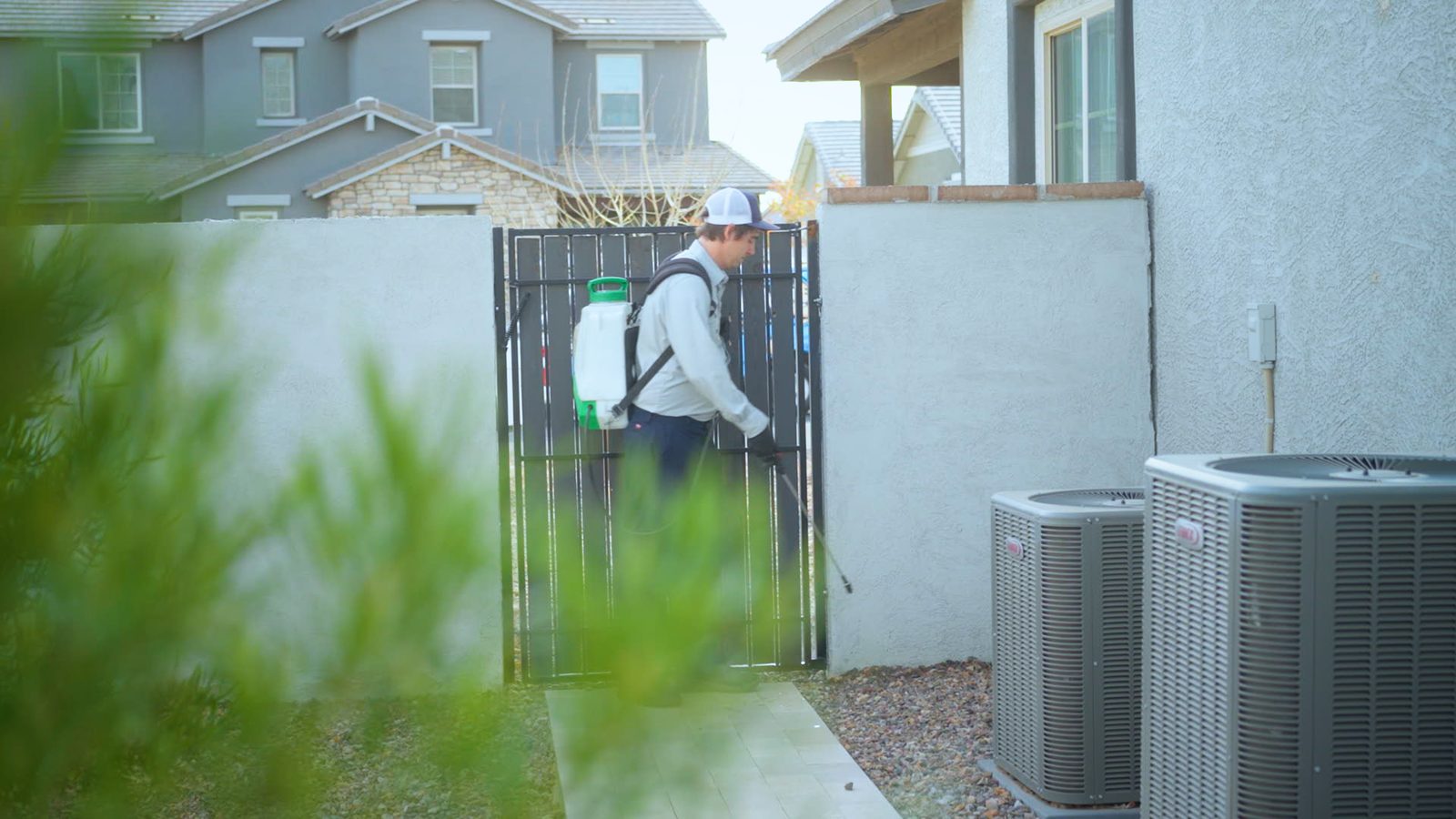
Here are the nine most reliable signs of a bug infestation in your home and what each one tells you about the type of pest you're dealing with.
Why Bug Infestations Are Dangerous
Bugs aren't just unpleasant — they pose real health and safety risks. According to the Centers for Disease Control and Prevention (CDC):
- Mosquitoes, ticks, and fleas can transmit malaria, Zika, West Nile, Lyme disease, and plague
- Cockroaches trigger asthma attacks and allergic reactions, especially in children
- Bed bugs cause intense itching that can lead to secondary infections
- Termites cause over $5 billion in property damage annually in the U.S.
Recognizing infestation signs early and taking action is critical. Here's what to look for.
1. Wood Shavings and Sawdust Piles
Likely pest: Carpenter ants or termites
Fine wood shavings (called "frass") near baseboards, window sills, or door frames signal wood-boring insects. Carpenter ants push shavings out of their galleries as they tunnel through your home's structure. Unlike termites, carpenter ants don't eat the wood — but the structural damage is just as serious.
What to do: Don't disturb the shavings. Call a licensed pest control professional to identify the species and assess structural damage. Carpenter ant and termite treatments are very different.
2. Mud Tubes and Discarded Wings
Likely pest: Subterranean termites
Pencil-width mud tubes running along your foundation, garage walls, or plumbing pipes are a hallmark of subterranean termites. These tubes protect termites as they travel between their underground colony and your home's wood. You may also find piles of tiny, translucent wings near windows and doors after a termite swarm.
What to do: Schedule an immediate termite inspection. Termites work silently — by the time you see visible signs, damage may already be significant.
3. Buzzing Sounds in Walls or Attic
Likely pest: Bees, wasps, or roof rats
A persistent buzzing, humming, or scratching sound from inside walls, your attic, or chimney often indicates a hidden colony. In Arizona, Africanized honey bees commonly build hives in wall voids, attic spaces, and irrigation valve boxes. If you notice many bees entering and exiting a specific spot on your home's exterior, a hive is likely established inside.
What to do: Never attempt to remove a bee hive yourself — Africanized bees are aggressive when disturbed. Contact a licensed pest control or bee removal specialist immediately.
4. Rust-Colored Stains and Tiny Eggs on Bedding
Likely pest: Bed bugs
Bed bugs leave telltale evidence on mattresses, box springs, and upholstered furniture: small rust or reddish-brown blood stains, tiny white eggs (about the size of a pinhead), pale yellow shed skins, and live bugs hiding in seams and crevices. Bites typically appear as itchy, red welts in a line or cluster.
What to do: Inspect mattress seams, headboard joints, and nearby furniture with a flashlight. Wash all bedding in hot water (130°F+). Professional heat treatment is the most effective elimination method.
5. Metallic Bugs in Damp Areas
Likely pest: Silverfish
These torpedo-shaped, silvery insects love dark, humid spaces — bathrooms, basements, laundry rooms, and under kitchen sinks. Silverfish feed on paper, glue, textiles, and starchy foods. Finding more than one or two indoors suggests a breeding population hidden nearby.
What to do: Reduce moisture with exhaust fans and dehumidifiers. Store paper goods and textiles in sealed containers. Treat baseboards and entry points with residual insecticide or call for professional treatment.
6. Droppings That Look Like Ground Pepper
Likely pest: Cockroaches
Cockroach droppings resemble ground black pepper or coffee grounds. You'll find them behind appliances, inside cabinets, under sinks, and near water sources. Seeing just one cockroach typically means dozens — or hundreds — are hiding nearby. Egg cases (oothecae) look like small, dark brown capsules.
What to do: Deep clean affected areas. Seal gaps around plumbing penetrations. Eliminate moisture sources. For established infestations, professional bait and treatment programs are far more effective than store-bought sprays.
| Evidence | Most Likely Pest | Urgency |
|---|---|---|
| Wood shavings/sawdust | Carpenter ants | 🟡 High — structural damage |
| Mud tubes on foundation | Subterranean termites | 🔴 Urgent — hidden damage |
| Buzzing in walls | Bees, wasps, or rats | 🔴 Urgent — safety risk |
| Blood stains on bedding | Bed bugs | 🟡 High — rapid spread |
| Pepper-like droppings | Cockroaches | 🟡 High — health risk |
| Spider webs + egg sacs | Spiders | 🟢 Moderate — monitor |
| Multiple flies indoors | House flies / drain flies | 🟡 High — sanitation risk |
| Maggots near trash | Fly larvae | 🟡 High — infestation imminent |
7. Webs, Egg Sacs, and Multiple Spider Sightings
Likely pest: Spiders (including black widows)
Spiders are natural pest controllers — they eat flies, mosquitoes, and crickets. But multiple spider sightings in one day, visible webs in corners and closets, and small white egg sacs indicate a population that's growing beyond control. In Arizona, black widow and brown recluse spiders pose genuine health risks.
What to do: Clear clutter that provides hiding spots. Reduce outdoor lighting that attracts their prey insects. Seal cracks around windows and doors. If you spot black widows, contact a professional — their bites require medical attention.
8. Swarms of Flies That Won't Go Away
Likely pest: House flies, drain flies, or fruit flies
A few flies slipping through an open door is normal. Persistent swarms mean a breeding source exists — often decaying organic matter, clogged drains, overripe fruit, or an animal that died in a wall void or attic. House flies carry over 100 disease-causing pathogens on their bodies.
What to do: Find and eliminate the breeding source. Clean drains with enzyme cleaners. Empty trash daily. If flies persist despite cleaning, a dead animal in the structure may be the cause — call for professional inspection.
9. Maggots Near Trash or Outdoor Areas
Likely pest: Fly larvae (imminent infestation)
Maggots — small, white, worm-like fly larvae — near garbage cans, pet areas, or compost bins mean flies are actively breeding on your property. Left unchecked, a few maggots can turn into hundreds of adult flies within days.
What to do: Clean the affected area thoroughly with boiling water or a bleach solution. Secure trash in lidded containers. Move outdoor garbage cans away from entry doors. Treat the area with residual insecticide to break the breeding cycle.
Bonus: Watch for Millipedes Near Your Foundation
Woodpiles, mulch, leaf piles, and decorative rock within 12 inches of your foundation create perfect habitat for millipedes. These many-legged arthropods enter through foundation cracks, gaps under doors, and window openings. While not dangerous, large numbers indicate excess moisture — which also attracts far worse pests like cockroaches and termites.
When One Bug Means Many More
For some pests, seeing even one is cause for concern:
- One cockroach = likely dozens hiding nearby (they're nocturnal — daytime sightings mean overcrowding)
- One bark scorpion = likely more in your walls and attic (they travel in clusters)
- One termite swarm = an established colony has been feeding on your home for months or years
- One bed bug = check immediately; they reproduce rapidly (a female lays 1–5 eggs per day)
Frequently Asked Questions
How do I know if I have a bug infestation or just a few bugs?
Occasional sightings of a single bug near a door or window are usually incidental. An infestation is indicated by multiple sightings, droppings, egg cases, structural damage, or persistent activity in the same area. If you're seeing bugs daily or finding evidence like droppings or shed skins, it's time to call a professional.
What are the most common bug infestations in Arizona?
Cockroaches (especially German and American roaches), bark scorpions, ants (fire ants and carpenter ants), termites, and bed bugs are the most common infestations in Phoenix and Tucson homes. During monsoon season, crickets and mosquitoes spike significantly.
Can a bug infestation make you sick?
Yes. Cockroach allergens trigger asthma attacks (especially in children), mosquitoes and ticks transmit serious diseases, bed bug bites can cause secondary infections from scratching, and fly infestations spread over 100 pathogens. Prompt treatment is both a comfort and health issue.
Should I try to treat a bug infestation myself?
Minor ant trails and occasional spiders can often be managed with store-bought products and prevention measures. However, infestations involving termites, scorpions, bed bugs, or established cockroach populations require professional treatment. DIY approaches for these pests typically waste time and money while the infestation grows.
How quickly can Bucksworth respond to a bug infestation?
We offer same-day and next-day appointments for urgent pest situations across the Phoenix and Tucson metro areas. Call (480) 422-8388 or request service online for fast, professional treatment.