
Yes, bumble bees can sting, but only the females, and they sting only when they feel threatened, such as when a nest is disturbed or a bee is pinched or trapped. A bumble bee is much less defensive than a honey bee or a wasp. In Chandler, though, the big, fuzzy "bumble bee" hovering at your eaves is often a carpenter bee, and the bee that actually sends people to urgent care is usually an Africanized honey bee or a paper wasp. If you have bees on your property and you are not sure what they are, call us at (480) 422-8388 or read about our bee and wasp removal in Chandler.
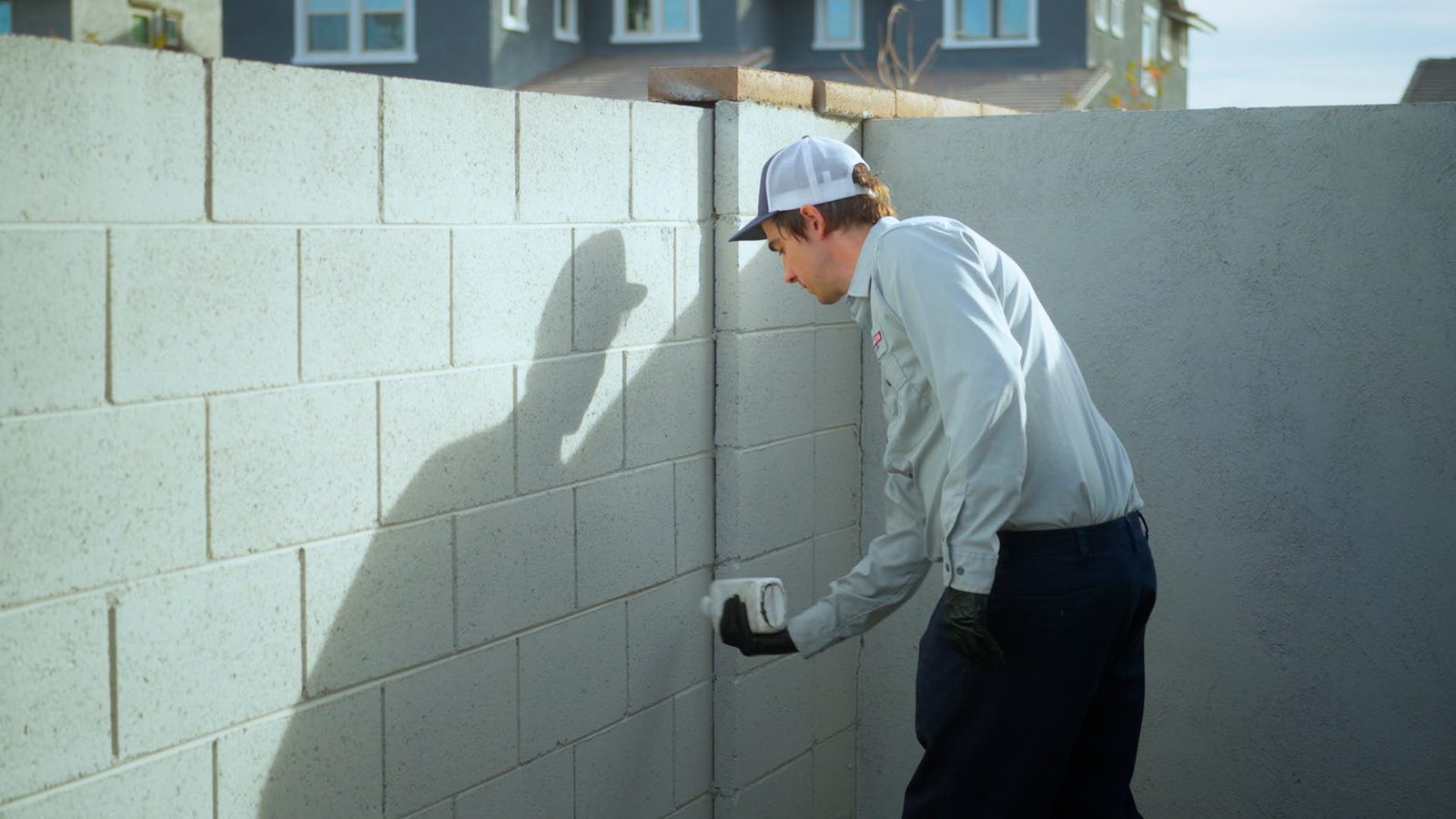
Do Bumble Bees Sting People?
Female bumble bees have a stinger and can use it, and unlike a honey bee, a bumble bee can sting more than once because its stinger is not left behind. Males have no stinger at all. In practice, bumble bees are some of the calmest bees you will meet. They are busy foraging, and they tend to ignore people who ignore them.
The situations where we hear about bumble bee stings are almost always the same: someone reached into a pot or a dense shrub where a small nest was hidden, stepped on a bee in the grass, or swatted at one near the face. A sting from a bumble bee feels like a sharp, burning pinch, and for most people the swelling and soreness fade within a day or two.
Do Bumble Bees Sting More Than Once?
They can. A honey bee's barbed stinger usually stays in the skin, which is why a honey bee generally stings once. A bumble bee's stinger is smoother, so a threatened bumble bee can sting repeatedly. That sounds worse than it is, because a bumble bee has to be pushed pretty hard to get there.
What Does a Bumble Bee Sting Feel Like?
Most people describe it as a hot, sharp sting followed by redness, a raised bump and itching. It is similar to a honey bee sting for the average person. The part that matters is not how it feels but how your body reacts. Anyone who develops hives, swelling of the face or throat, trouble breathing, dizziness or a racing heart after any bee or wasp sting needs emergency care. Call 911. We are a pest company and cannot give medical advice, but that rule is the one to remember.
What Bees Do We Actually See Around Chandler Homes?
Bumble bees do live in Arizona, but in the low desert around Chandler they are far less common than the bees below. Most calls we run on "big fuzzy bees" turn out to be something else. Here is how the common ones compare.
| Insect | What it looks like | Where you find it in Chandler | Will it sting? |
|---|---|---|---|
| Bumble bee | Large, round, fuzzy, yellow and black on the abdomen | Flowering shrubs and gardens; small ground or clump nests | Females can, rarely; males cannot |
| Carpenter bee | Large like a bumble bee, but the abdomen is shiny and mostly bare | Drilling round holes in fascia boards, pergolas, wood fences and patio beams | Males hover and dive but cannot sting; females seldom sting |
| Honey bee (including Africanized) | Smaller, tan-brown and slim, less fuzzy | Hives in walls, meter boxes, tree cavities, block-wall gaps and eaves | Yes, and Africanized colonies defend aggressively in large numbers |
| Paper wasp | Slim, long-legged, with an open umbrella-shaped nest | Eaves, patio covers, light fixtures, under gate frames | Yes, and they sting repeatedly |
| Ground-nesting bees | Small, solitary, often dusty looking | Bare dirt, rock yard edges | Seldom; they are not defensive |
Why Do Carpenter Bees Get Mistaken for Bumble Bees?
Size and sound. Both are chunky and loud. The quickest test is the abdomen: a bumble bee's is fuzzy, while a carpenter bee's is smooth and glossy. If the bee is hovering in front of a wooden beam and you can see a perfectly round half-inch hole with sawdust beneath it, you have carpenter bees, not bumble bees.
How Can I Tell If the Bees at My House Are Dangerous?
Behavior tells you more than appearance. The bees to take seriously are the ones that stay in one place and guard it. Look for these signs.
- A steady stream of bees entering and leaving one opening, such as a gap in a block wall, a utility box, a wall void or a tree hollow. That is usually a honey bee colony.
- A low hum from inside a wall or warm, stained stucco and drywall.
- Bees that follow you or bump into you when you are 20 or more feet from the nest.
- A gray or tan paper nest with visible cells, which means wasps, not bees.
If you see any of these, do not spray the opening, do not try to seal it and do not swat at the bees. A disturbed colony can turn defensive in seconds, and a sealed wall void with a live hive inside is a bigger problem later, with honey stains and comb that can attract other pests.
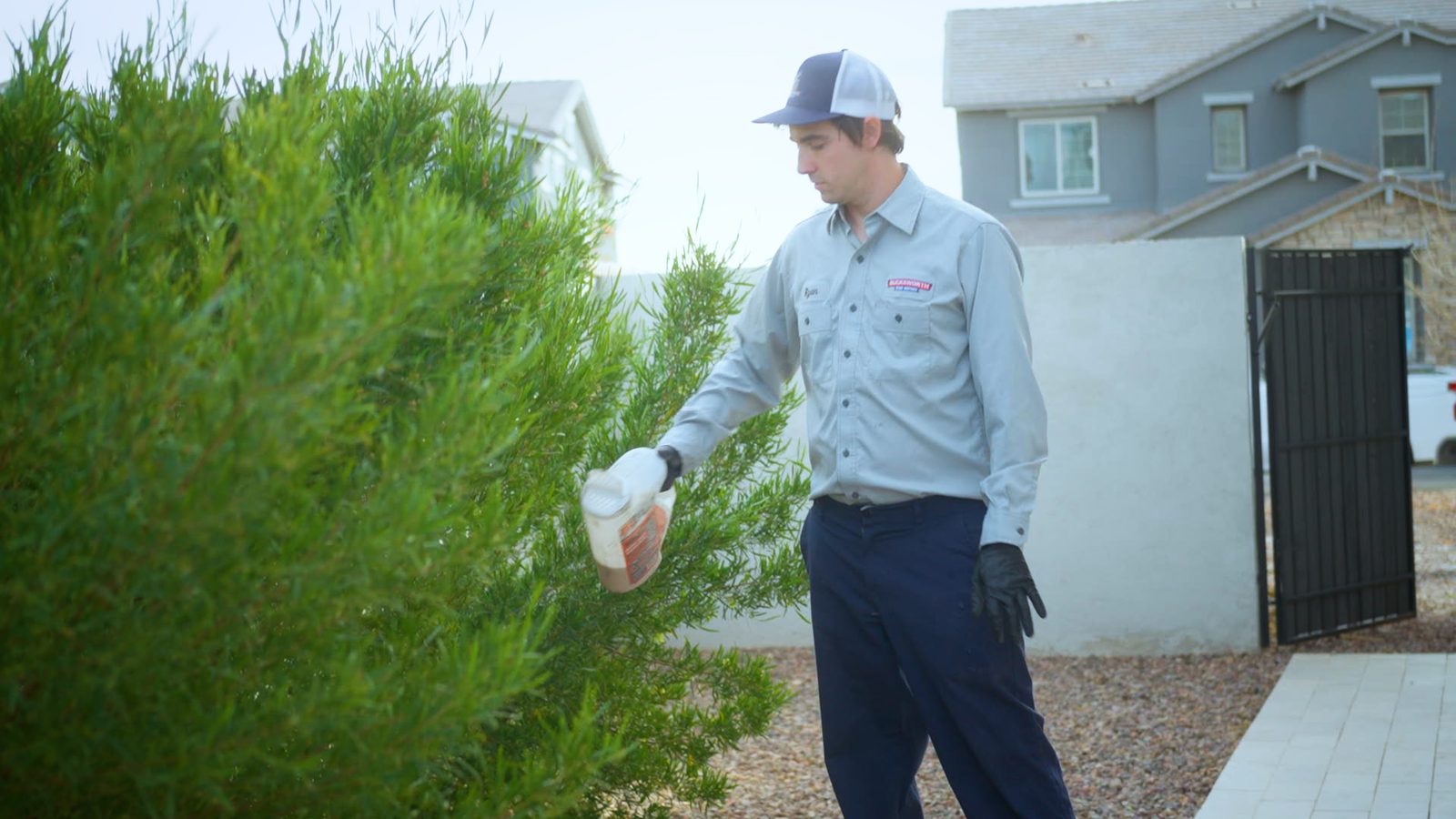
Why Are There More Stinging Insects Around Chandler in Spring and Fall?
Chandler's irrigated neighborhoods give bees what the open desert does not: reliable water and flowers. In south Chandler communities like Ocotillo (85248) and Sun Groves (85249), lakes, green belts and flowering landscaping draw foraging bees all season. In established areas such as Andersen Springs (85224 and 85226) and Downtown Chandler (85225), older block walls, mature trees and stucco gaps give honey bees plenty of places to settle.
Swarms are most common in the warm shoulder seasons, when a colony splits and a cluster of bees lands on a tree, a fence post or a wall while scouts look for a cavity. A swarm hanging in a tree is usually calm for a short while, but it is a good moment to call a professional rather than approach it.
Do Bumble Bees Nest in Chandler Yards?
Occasionally. Bumble bees nest in small colonies, often in an abandoned rodent burrow, a pile of leaves or a hollow beneath a pot. A bumble bee nest is far smaller than a honey bee hive, with a few dozen bees at most, and it dies back on its own at the end of the season. If it is not in the way, leaving it alone is the easiest option. If it is next to your front door or a play area, call us and we will tell you honestly what is there and what is worth doing.
What Should I Do If I Get Stung by a Bee?
Move away from the area calmly, because stinging insects can release alarm signals that attract others. Then follow these steps.
- Walk away from the nest or the bee. Do not run in circles and do not flail.
- Remove a stinger if one is left in the skin. Scrape it out with a fingernail or card. This applies to honey bees, not bumble bees.
- Wash the area with soap and water and apply a cold pack.
- Watch for a reaction over the next several minutes to hours. Call 911 for trouble breathing, swelling of the face or throat, widespread hives or fainting.
- Go indoors and keep children and pets away from the spot until the source is dealt with.
If you were stung more than a handful of times, see a doctor even if you feel fine. We cannot give medical advice, but multiple stings can cause reactions in people who have no known allergy.
Should I Remove Bees From My Chandler Home or Leave Them Alone?
It depends on what they are and where they are. Bees are pollinators, and a few bumble bees in a flowering bush are not a problem. A honey bee colony inside a wall, an eave or a meter box next to your door is a different matter, and it is not a do-it-yourself job in Arizona, where Africanized bees are common.
This is how we approach it: we identify what is actually on the property first, then explain the options. Honey bee colonies are removed by our bee and wasp team, and we relocate honey bees when possible. Wasp nests are treated so they do not rebuild. For bumble bees and carpenter bees, we will tell you when no treatment is needed and when a carpenter bee problem needs wood protection and follow-up. See our guides to professional bee and wasp removal for south Chandler homes and wasp nest removal in Chandler's Cooper Commons area.
How Do I Keep Stinging Bees and Wasps Away From My Yard?
- Seal gaps larger than about a quarter inch around meter boxes, pipe penetrations and block-wall seams, but only after you are sure no bees are inside.
- Check eaves, patio covers and gate frames every few weeks in spring and fall for the start of a paper wasp nest.
- Fix irrigation leaks and drips, because bees come to water.
- Paint or seal exposed wood on pergolas and fascia boards to discourage carpenter bees.
- Keep trash cans closed and clean up sweet drink spills on the patio.
- Do not plant dense flowering shrubs right against the doorway if you have an allergy in the family.
Do Bees Behave the Same in Mesa, Gilbert and Tempe?
The same insects show up across the East Valley, but the neighborhoods differ, so the nesting spots we check differ too. We have written local bee and wasp guides for Gilbert, Mesa, Tempe and Queen Creek if you want to compare:
- bee and wasp removal in Gilbert's Agritopia area
- professional bee removal in Mesa's 85208 area
- how to remove a wasp nest in Tempe
- finding a bee hive at your Queen Creek home
We also serve Chandler and our home base, Apache Junction.
What If I Also Have Scorpions or Other Pests Around the Yard?
Flowering plants, water and old block walls bring in more than bees. If you are seeing scorpions near the same walls, read how to keep scorpions out of a Chandler home or look at our pest and termite services in Chandler. When you are ready for a technician, request service online or call us.
Frequently Asked Questions
Do bumble bees sting?
Female bumble bees can sting, and they can sting more than once, but they are not aggressive and usually only sting when handled or when their nest is disturbed. Male bumble bees do not have a stinger.
Do bumble bees die after they sting?
No. Unlike a honey bee, a bumble bee's stinger is not barbed enough to stay in the skin, so it usually survives the sting.
Are carpenter bees dangerous?
Not to people. Males cannot sting and often hover close to you, and females seldom sting. The damage they cause is to unpainted wood, where they drill nesting holes.
How do I know if bees in my wall are honey bees?
Look for a steady stream of small, tan-brown bees going in and out of one opening, and listen for a hum inside the wall. Do not seal the opening. Call a professional to identify and remove the colony.
Are Africanized honey bees in Chandler?
Africanized honey bees are common across the Phoenix area, and any wild colony should be treated as potentially defensive. Keep people and pets away and have the colony handled by a professional.
Who do I call for bee removal in Chandler?
Call Bucksworth at (480) 422-8388, or request service online. Tell us where you see the bees, and we will send a technician to your Chandler address.