
Bermuda grass is the toughest, most heat-tolerant turf available for Phoenix lawns — and it can still look terrible if it is not fertilized correctly. In Ahwatukee Foothills, we see beautifully irrigated lawns with plenty of sun that are thin, yellow, and weed-infested. The missing piece is almost always nutrition. Bermuda is a heavy feeder that needs 4–6 pounds of nitrogen per 1,000 square feet per year in the 85003 area — split across multiple seasonal applications with varying nutrient ratios. That is not something a homeowner can reasonably manage with a single bag of lawn food. It is a professional program, and the difference is visible from the street.
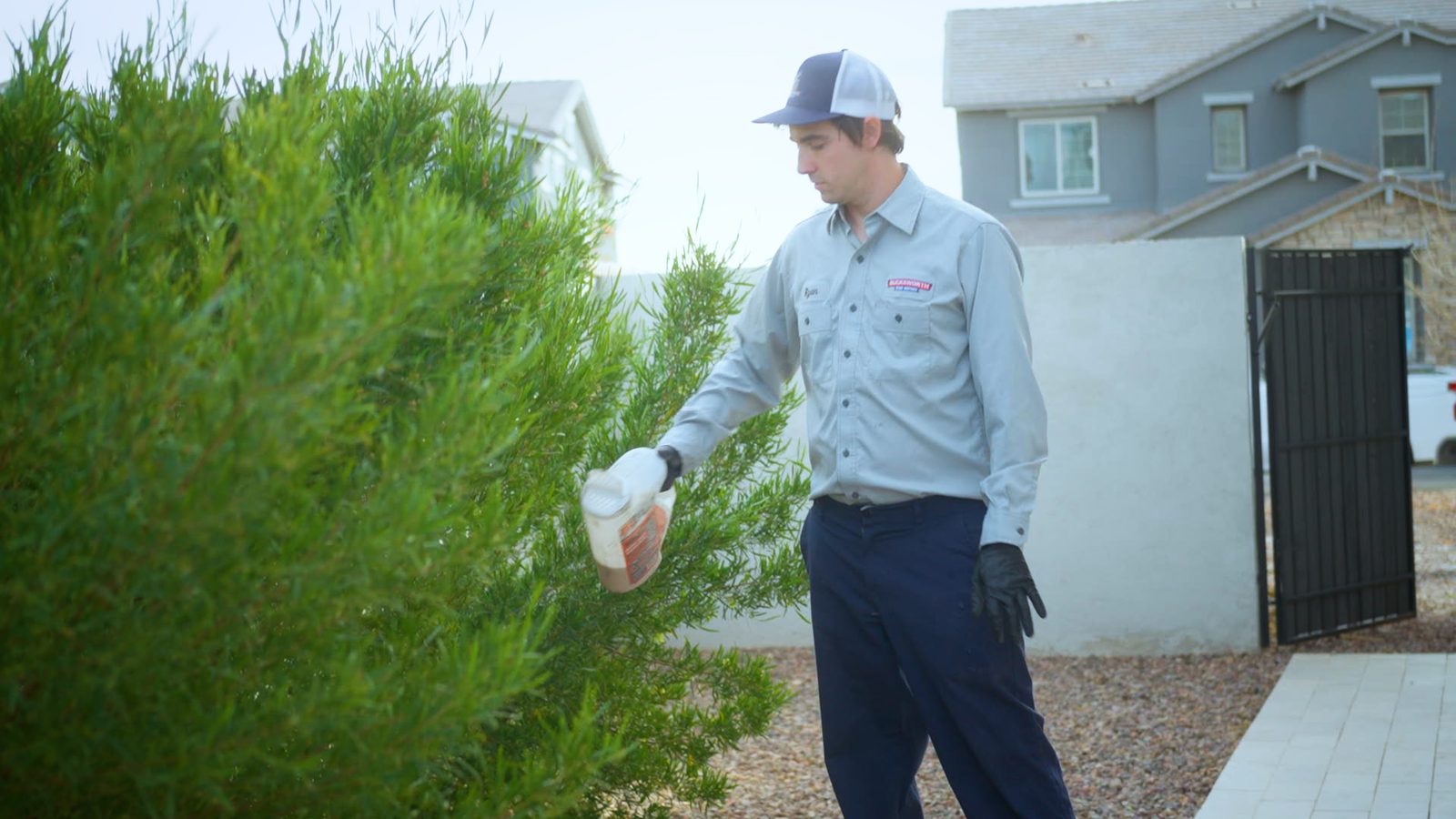
The Real Cost of Skipping Professional Lawn Care in Phoenix
Homeowners who skip professional fertilization in Phoenix end up spending more — not less — in the long run:
Weed takeover. A thin, underfed Bermuda lawn cannot compete with aggressive desert weeds. Spurge, crabgrass, nutgrass, and Bermuda grass's own runners (which become weedy when the lawn is patchy) fill every bare spot. Recovering a weed-infested lawn in Ahwatukee Foothills costs significantly more than maintaining a healthy one because it requires herbicide treatment, re-establishment, and months of recovery.
Higher water bills. Unhealthy grass has shallow roots and poor ground coverage, which means more water evaporates from exposed soil and less reaches the root zone. A thick, well-fertilized Bermuda lawn in the 85003 area actually uses water more efficiently than a thin one because the canopy shades the soil and the deep root system accesses water at depth.
Pest and disease vulnerability. Stressed, nutrient-deficient turf is more susceptible to fungal disease (brown patch, dollar spot), grub damage, and insect pressure. Treating a diseased lawn near South Mountain Park costs $200–$500+ per incident — expenses that are largely avoidable with proper nutrition that keeps the turf healthy and disease-resistant.
HOA compliance issues. Most Phoenix HOAs require maintained, green front lawns. A yellow, patchy, or weed-infested lawn generates violation notices and fines. We have customers in Ahwatukee Foothills who came to us after accumulating hundreds of dollars in HOA fines — far more than a full year of professional fertilization would have cost.
Reduced property value. Curb appeal directly impacts property value. A lush green lawn signals a well-maintained home. Brown, yellow, or patchy turf signals neglect. In Phoenix's competitive real estate market, the condition of your front lawn is one of the first things buyers notice.
Why Lawn Fertilization in Phoenix Is Nothing Like the Rest of the Country
If you moved to Phoenix from the Midwest or East Coast and tried your old fertilizer routine, you probably killed your lawn. Arizona lawns play by completely different rules:
Alkaline soil locks out nutrients. Phoenix soil pH typically ranges from 7.5 to 8.5 — significantly alkaline. At these pH levels, iron, zinc, and manganese become chemically unavailable to grass roots even when present in the soil. That is why Phoenix lawns in Ahwatukee Foothills turn yellow despite regular fertilization. The lawn is not underfed — it cannot access the nutrients already there. Our fertilizer blends include chelated iron and micronutrients specifically formulated to remain available in alkaline soil.
Extreme heat changes the rules. Fertilizers applied during peak Phoenix heat stress the lawn rather than helping it. High-nitrogen products on a 115°F afternoon in the 85003 area will burn the turf rather than feed it. Timing applications for early morning, using slow-release nitrogen sources, and adjusting rates by season are critical differences between successful Phoenix lawn care and the charred brown patch that results from generic advice.
Bermuda grass has unique needs. Bermuda grass — the dominant warm-season turf in Phoenix — is a heavy nitrogen feeder during active growth (April–September) but needs potassium and phosphorus emphasis during transition periods. Applying the wrong nutrient ratio at the wrong time produces leggy, shallow-rooted turf that cannot survive summer stress or winter dormancy near South Mountain Park.
Caliche and compacted soil limit root depth. Many Phoenix properties have caliche layers (calcium carbonate hardpan) beneath the topsoil that restrict root growth and water penetration. Lawns growing in shallow soil need more frequent, lighter fertilizer applications because their limited root zone cannot store nutrients the way deep-rooted turf in loamy Midwest soil can.
Professional Phoenix lawn fertilization accounts for all of these factors. Generic fertilizer from the hardware store — formulated for national averages — does not. That is why professionally fertilized lawns in Ahwatukee Foothills consistently outperform DIY efforts.
Our Lawn Fertilization Process for Phoenix Homes
At Bucksworth Home Services, lawn fertilization for Ahwatukee Foothills properties follows a science-based process calibrated to Arizona conditions:
Step 1: Lawn Assessment. On our first visit, we evaluate your grass type (Bermuda, ryegrass, or mixed), current health, soil conditions, irrigation setup, sun exposure, and any visible deficiencies. We take note of yellow patches (iron chlorosis), thin areas (nutrient deficiency or compaction), and weed pressure — all of which inform our customized program for your 85003 area lawn.
Step 2: Program Design. Based on the assessment, we design a seasonal fertilization schedule matched to your lawn's specific needs. Properties with heavy iron chlorosis get additional chelated iron applications. Lawns with compaction get an aeration recommendation. Overseeded lawns get winter ryegrass support applications. No two Phoenix lawns are identical, and neither are our programs.
Step 3: Scheduled Applications. We arrive on schedule and apply the correct product at the correct rate for the current season. Our technicians calibrate spreaders and spray systems for your specific lawn size and product type. After application, we provide clear watering instructions so you can activate the product promptly.
Step 4: Ongoing Monitoring. During every visit, our technician inspects the lawn for changes — new weed pressure, disease symptoms, irrigation issues, or nutrient deficiency signs. We adjust the program as needed based on what we see. If your Ahwatukee Foothills lawn is not responding as expected, we investigate and adapt rather than just repeating the same application.
Step 5: Seasonal Consultation. Before key transition points — spring green-up, summer stress, fall dormancy prep, overseeding decisions — we communicate recommendations so you can make informed decisions about your lawn's direction. Our goal is a lawn that makes you proud every month of the year, whether you are looking at lush Bermuda in July or green ryegrass in January near South Mountain Park.
Building a Healthier Phoenix Lawn Between Fertilizer Visits
Fertilizer provides the nutrition, but these practices build the strong, resilient turf that uses nutrients most efficiently:
Aerate annually. Phoenix soil compacts over time from foot traffic, landscape maintenance, and the natural settling of our clay-heavy soil. Compacted soil restricts water and nutrient penetration to roots. Annual core aeration — ideally in May or June when Bermuda grass is growing aggressively — breaks up compaction and allows fertilizer, water, and air to reach the root zone in Ahwatukee Foothills.
Manage thatch. Bermuda grass produces thatch — a layer of dead stems and roots between the soil surface and green grass blades. A thin thatch layer (under 1/2 inch) is beneficial. Thick thatch blocks water and fertilizer from reaching roots and harbors fungal disease. If your Phoenix lawn feels spongy underfoot, thatch may be excessive and needs professional dethatching.
Adjust irrigation by season. Overwatering wastes fertilizer by washing it below the root zone. Underwatering prevents nutrient uptake. In Phoenix, summer irrigation should provide 1–1.5 inches per week (split into 2–3 sessions). Spring and fall need 0.5–1 inch weekly. Winter Bermuda is dormant and needs only enough water to prevent complete desiccation across the 85003 area.
Control weeds that compete for nutrients. Weeds growing in your lawn compete directly for the fertilizer you are applying. Bermuda grass that shares space with spurge, crabgrass, or nutgrass near South Mountain Park receives a fraction of the nutrients intended for it. Our Bucksworth weed control program, combined with fertilization, eliminates this competition and ensures your turf gets the full benefit of every application.
Test your soil. A soil test every 2–3 years reveals your specific nutrient levels, pH, and any deficiencies. Our Bucksworth team uses soil test results to customize your fertilizer blend for the exact conditions at your Ahwatukee Foothills property — rather than applying a one-size-fits-all product.
Lawn Care Insights for Phoenix Homeowners Near South Mountain Park
Properties near South Mountain Park face specific lawn challenges that Ahwatukee Foothills homeowners should understand:
Water quality in this part of Phoenix has particularly high mineral content, which contributes to soil alkalinity and iron lock-out. Lawns watered with unmodified Phoenix water near South Mountain Park experience more severe iron chlorosis than areas with slightly different water sources. For homeowners in Ahwatukee Foothills and Maryvale, this means more frequent chelated iron applications may be needed to maintain green color.
Sun exposure also varies. Properties on south- and west-facing slopes receive more reflected heat from surrounding desert and hardscape, which increases stress on turf during peak summer. Lawns in these high-exposure positions in the 85003 area benefit from potassium-heavy applications during stress periods, which improve heat tolerance and reduce burn.
Our technicians serving the area near South Mountain Park know these micro-conditions from years of experience. We calibrate each application not just for the season but for the specific characteristics of your property — exposure, soil, irrigation type, and grass variety. That site-specific expertise is the difference between a fertilizer program that works and one that just checks a box.
A great Phoenix lawn does not happen by accident — it happens with the right nutrition at the right time. Our Bucksworth lawn care team brings Arizona-specific expertise to every property in Ahwatukee Foothills and across the 85003 area. We know what works here because we have been growing lawns in this desert for years. Call (480) 422-8388 and let us build a fertilization program that makes your lawn the greenest on the block.
Why Phoenix Families Choose Bucksworth
Since 2013, Bucksworth Home Services has been the company Phoenix homeowners call when the job matters. Our founder, Jordan Moore, built this company on a simple principle: treat every home like it is your own.
Here is what sets us apart in Ahwatukee Foothills and across Phoenix:
- Same-day service — When you need help, we show up. Our Phoenix trucks are dispatched daily from local routes, not a warehouse across town.
- Flat-rate pricing — We quote the job before we start. No hourly billing that incentivizes slow work.
- Real reviews from real neighbors — Check our Google reviews from homeowners in Ahwatukee Foothills, Maryvale, and across the 85003 area.
- Multi-service convenience — Pest control, HVAC, plumbing, and weed control under one roof. One company that knows your home.
Ready to get started? Call (480) 422-8388 or book online today.
Frequently Asked Questions About Lawn Fertilization in Phoenix
What type of fertilizer is best for Phoenix lawns?
The best fertilizer for Phoenix lawns contains: slow-release nitrogen (for consistent feeding without burn risk), chelated iron (for green color in alkaline soil), potassium (for heat and stress tolerance), and micronutrients including zinc and manganese. Low-salt index is essential to avoid adding to our already salty soil. Retail fertilizers rarely meet all these criteria — that is why professional products from companies like Bucksworth produce better results in Ahwatukee Foothills.
Should I overseed my Phoenix Bermuda lawn for winter?
Overseeding with perennial ryegrass provides a green lawn through Phoenix's mild winters when Bermuda is dormant and brown. It requires additional fertilization, water, and management — but many 85003 area homeowners prefer it over a dormant brown lawn. Our Bucksworth team can manage the overseeding process and winter fertilization if you choose to overseed your Ahwatukee Foothills lawn.
How long does it take to see results from lawn fertilization in Phoenix?
You will see greening from chelated iron within 3–7 days. Nitrogen-driven growth response takes 7–14 days. A lawn transitioning from poor to good health typically shows dramatic improvement within 4–6 weeks across 2 applications. Full transformation — thick, dense, uniformly green turf — usually takes one full growing season (March–October) of consistent professional applications for Phoenix lawns near South Mountain Park.
Schedule Your Lawn Fertilization Service in Phoenix Today
Do not wait for the problem to get worse. Whether you are in Ahwatukee Foothills, Maryvale, or anywhere in the 85003 zip code, Bucksworth Home Services is ready to help. Call us at (480) 422-8388 or visit our Phoenix lawn fertilization page to schedule your service today.
Related Services & Resources
- Lawn Fertilization in Ahwatukee
- Weed & Lawn Care in Ahwatukee
- All Bucksworth Services in Ahwatukee
- Fall Overseeding Near Pusch Ridge: Getting a Green Winter Lawn in Oro Valley
- Professional Lawn Fertilization in Queen Creek: Building Stronger Cortina Turf
- Keeping Your Queen Creek Rock Yard Weed-Free — A Cortina Guide
- Fall Lawn Transition in Goodyear: Overseeding Essentials for Centerra
- Lawn Fertilization in Apache Junction: The Right Schedule for Meridian Hills Bermuda Grass
- Get a Free Instant Estimate