
To get rid of bed bugs, confirm they are bed bugs, wash and heat-dry all bedding and clothing, vacuum and encase the mattress, and then have a professional treat every room where they hide, with follow-up inspections about two weeks apart. Store-bought sprays and foggers rarely finish the job because bed bugs hide in cracks and move to untreated rooms. For Phoenix homes, call us at (480) 422-8388 or see our bed bug treatment in Phoenix.
How Do You Know It Is Bed Bugs and Not Something Else?
Bed bugs leave a handful of signs you can check in ten minutes: small rusty or black spots on sheets and mattress seams, tiny pale shed skins, live reddish-brown insects about the size of an apple seed, and itchy bites in lines or clusters that appear after you sleep. Bites alone are not proof, because mosquitoes, fleas and some spiders leave similar marks. A live bug or fresh dark spotting on a seam is the confirmation.
Start at the head of the bed. Pull back the fitted sheet and look along the piping and tags of the mattress and box spring, then the headboard, the bed frame joints, and the wall behind the bed. A flashlight and an old credit card help you run along seams. If you want a picture of what you are looking for, our Mesa team wrote an inspection walkthrough on what bed bugs look like on a bed.
| What you see | Likely cause | What to do first |
|---|---|---|
| Rusty or black dots on mattress seams, smear when wiped | Bed bug droppings or blood spotting | Photograph it, then inspect the whole bed |
| Pale, hollow, rice-shaped skins | Shed bed bug skins | Check every seam and the headboard |
| Bites in a line or cluster, worst on exposed skin | Possible bed bugs, or fleas and mosquitoes | Look for live bugs before treating anything |
| Single bite, bite on ankles only, pets in the house | More likely fleas | Treat pets and check carpet and pet bedding |
| Web-like bite on a hand or arm, one mark | May be a spider; see spider prevention in Phoenix | Do not assume bed bugs without a live bug or spotting |
What Should You Do in the First 24 Hours?
Contain the problem before you try to treat it. The goal of the first day is to stop bed bugs from spreading to rooms that are still clean. Do not move the bed to another room, do not sleep on the couch, and do not carry bedding through the house in open loads.
- Bag it where you stand. Put bedding, pillows and the clothes you wore in sealed plastic bags before carrying them to the washer.
- Wash, then dry hot. Wash on the hottest setting the fabric allows, then dry on high heat for at least 30 minutes. The dryer, not the washer, does most of the killing.
- Vacuum, then empty it outside. Vacuum the mattress seams, bed frame, baseboards and carpet edges. Seal the bag or canister contents and take them to the outside trash right away.
- Encase the mattress and box spring. A zippered, bed bug rated encasement traps what is inside and leaves bugs nowhere to hide on the surface.
- Pull the bed away from the wall. Keep bedding from touching the floor so bugs cannot climb up.
- Do not use foggers. Total-release foggers scatter bed bugs into walls and neighboring rooms and make the problem harder to treat.
Why Do Bed Bugs Survive Store-Bought Sprays?
Bed bugs survive most hardware-store sprays because they hide inside cracks, wall voids, outlet covers and furniture joints where a surface spray never reaches, and many local populations are resistant to common over-the-counter ingredients. Eggs are also protected and hatch days later, so one pass leaves the next generation behind.
That is why homeowners often say they treated for weeks and the bites kept coming. Each spray kills a few bugs on contact, drives the rest deeper, and the cycle restarts. A real plan hits every life stage and then checks that it worked.
What does a bed bug life cycle mean for treatment timing?
Eggs hatch in roughly one to two weeks, and young bed bugs need a blood meal to grow. A single treatment can miss late hatchers, so a follow-up inspection about two weeks after the first visit is standard practice. Adults can also go for months without feeding, which is why an empty guest room is not proof the problem is gone.
How Does Professional Bed Bug Treatment Work in a Phoenix Home?
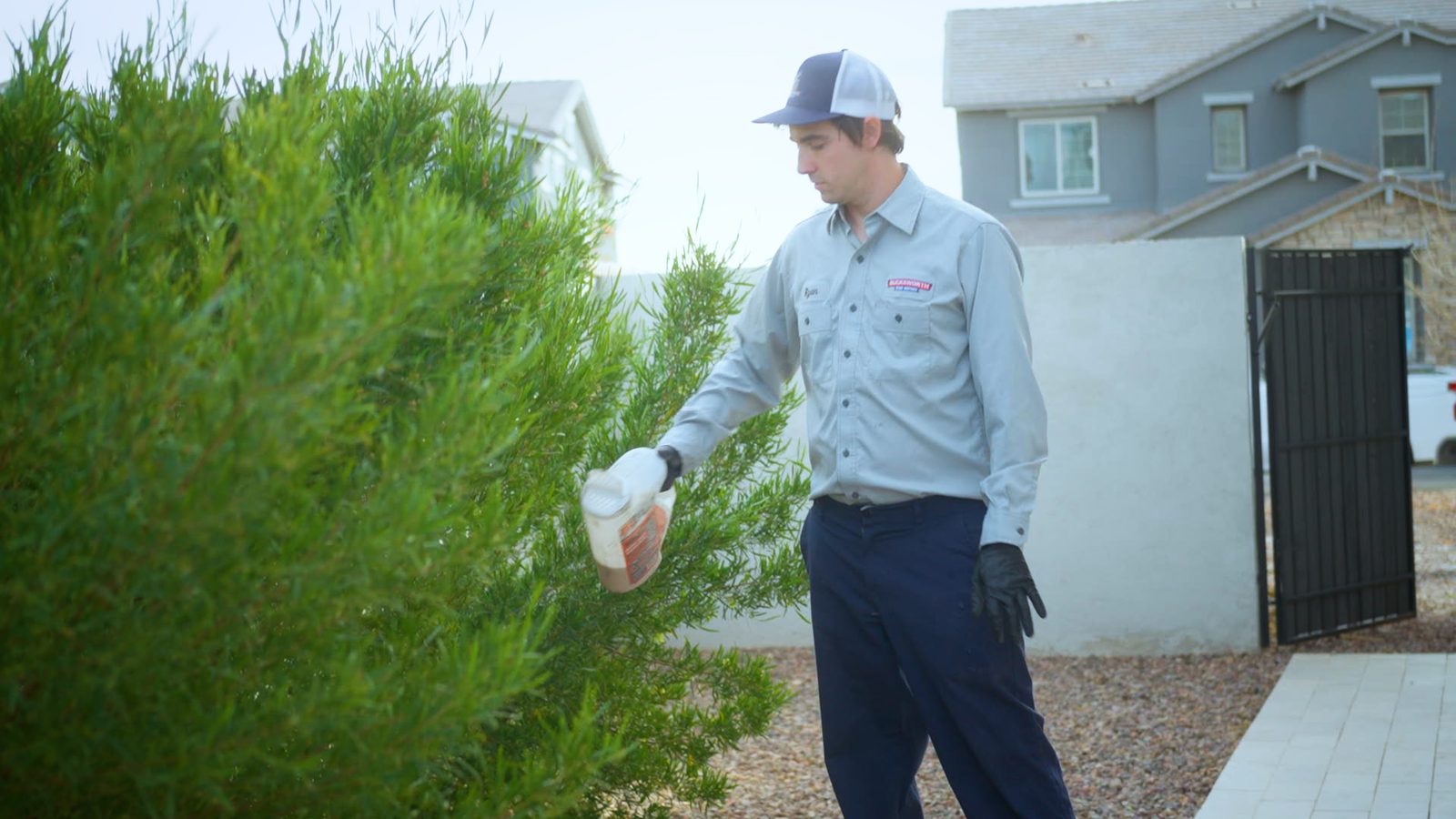
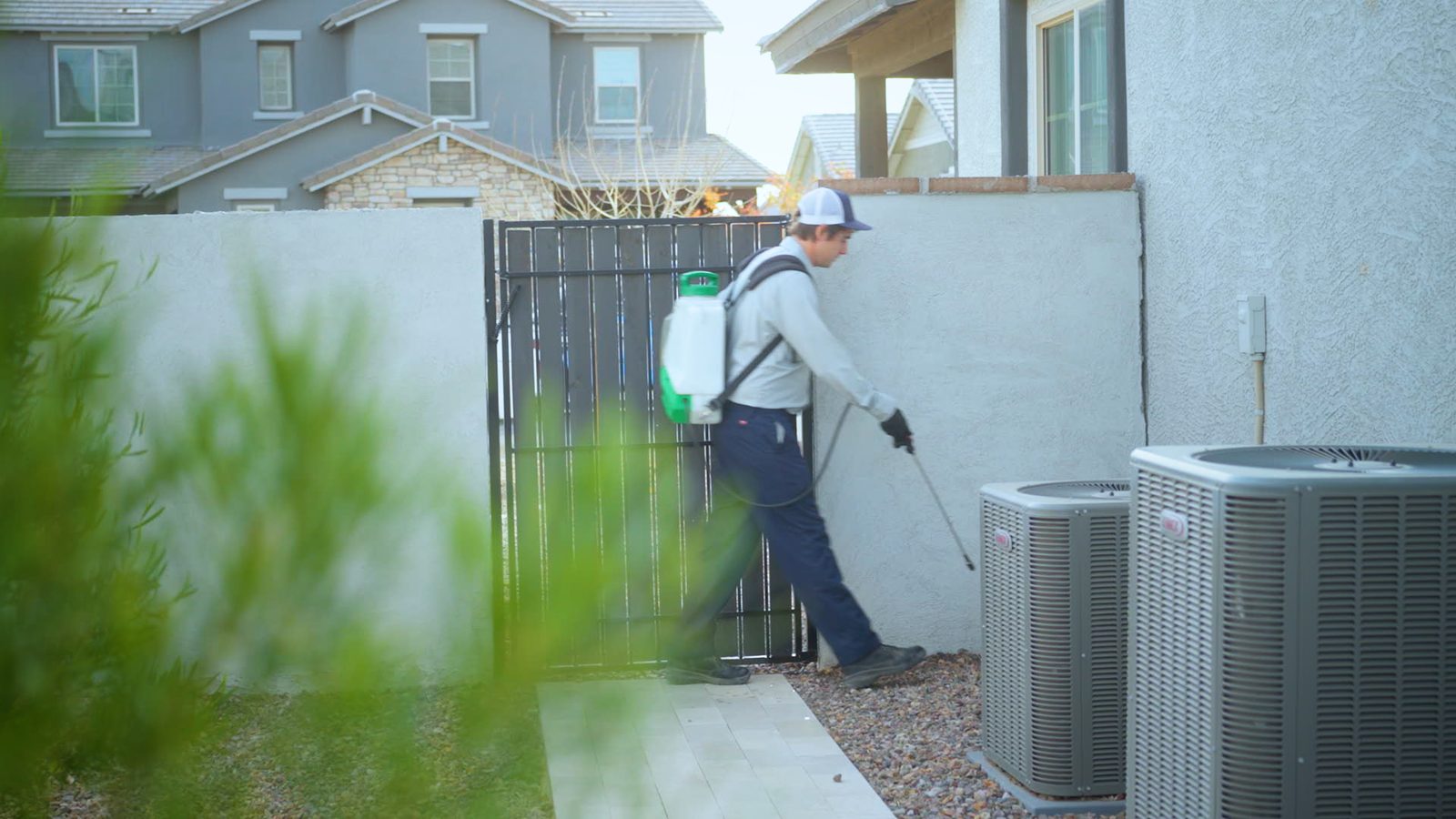
Our bed bug program uses a combination of heat treatments and targeted chemical applications to reach eggs, nymphs and adults. We treat mattresses, furniture, baseboards and wall voids, then schedule follow-up inspections to confirm the bugs are gone. We start with an inspection to find where the activity actually is, because that decides which rooms and which method make sense.
| Step | What happens | What you do |
|---|---|---|
| 1. Inspection | Technician checks beds, couches, baseboards and nearby rooms to map the activity | Strip beds and leave furniture accessible |
| 2. Preparation | We walk you through laundry, clutter and encasement so treatment can reach hiding spots | Wash and heat-dry fabrics, bag clutter |
| 3. Treatment | Heat and targeted applications in mattress seams, frames, baseboards and wall voids | Stay out of treated rooms as directed |
| 4. Follow-up | Re-inspect about two weeks later and treat any remaining activity | Keep the bed encased and report new bites |
Our technicians are licensed in Arizona, and we have been locally owned since 2013. If you would rather skip the guesswork, our team can walk through the plan on the phone, or you can request service online.
Can Phoenix Summer Heat Kill Bed Bugs on Its Own?
No. Outdoor heat does not reach the places bed bugs live, and a Phoenix house is air conditioned to the high 70s, which is a comfortable temperature for them. Bed bugs live in mattress seams and wall cracks, so a 115-degree afternoon outside does nothing to a bed inside. Bagging items and leaving them in a hot car or garage is also unreliable, because the temperature in the center of a bag rarely gets high enough for long enough.
The dryer is the dependable home option. A full cycle on high heat kills every life stage on bedding and clothing. For things that cannot go in a dryer, such as headboards, couches and electronics, you need a professional plan.
How Do Bed Bugs Get Into Phoenix Homes?
They hitchhike. Bed bugs rarely start in a clean house on their own; they arrive in luggage, backpacks, used furniture, moving boxes and clothing. Phoenix has several patterns that make this more likely than people expect: heavy air travel through Sky Harbor, winter visitors and snowbirds, short-term rentals, shared walls in apartments and condos, and a busy secondhand furniture market.
- Downtown, Encanto and Midtown (85003, 85004, 85006, 85007, 85009): older housing, rentals and shared walls make it easy for bed bugs to move between units.
- Arcadia and Biltmore (85016, 85018): frequent guests and travel mean luggage is a common source.
- Maryvale and South Mountain (85031, 85033, 85035, 85040, 85041, 85042): multi-generational homes and secondhand furniture can carry bugs from one house to another.
- North Phoenix, Desert Ridge and Deer Valley (85024, 85027, 85050, 85054, 85085): newer homes with vacation rentals and frequent travelers.
If you have been near Phoenix Sky Harbor lately, or you picked up a used couch or mattress, check those first. The same rules apply in the neighboring East Valley, where we also see bed bugs travel between units in places like Tempe and Mesa. See our pages for bed bug treatment in Tempe and bed bug treatment in Chandler if you are on that side of the valley.
Where Do Bed Bugs Hide Besides the Mattress?
Bed bugs hide within a few feet of where people sleep, but a heavy infestation spreads to anywhere with a crack to squeeze into. Our technicians usually check the places below on every visit.
| Location | Why they use it | What we look for |
|---|---|---|
| Mattress and box spring seams | Close to the host, protected | Spotting, shed skins, live bugs |
| Headboard and bed frame joints | Tight gaps, easy to reach the bed | Dark specks in screw holes and slats |
| Baseboards and outlet covers | Cracks and wall voids | Spotting along the wall behind the bed |
| Couches and recliners | Where people nap or watch TV | Seam lines, under cushions, in the frame |
| Nightstands, drawers, picture frames | Dark, undisturbed spaces | Spotting or skins in joints and corners |
| Luggage and backpacks | Stored near beds, often carried in from trips | Seams, zipper tracks, pockets |
What Are the Mistakes That Make Bed Bugs Worse?
The most common mistakes are moving to another room, throwing out the mattress without containing it, using foggers, and waiting. Each one gives bed bugs a way into more of the house.
- Discarding furniture without wrapping it. Bagging and labeling an infested mattress keeps the next owner from taking the problem home.
- Treating only one room. If bugs were in the bedroom for weeks, check the living room and the closets too.
- Skipping the follow-up. A second inspection is how you catch late hatchers.
- Letting clutter pile up. More hiding spots mean more places treatment cannot reach.
- Assuming it is an easy fix. Bed bugs are difficult for homeowners to eliminate alone, which is why most homes call in a professional.
Bed bugs are also not the only biter at night; for the other pest people confuse with them, see why spiders love Phoenix homes.
What Should You Expect After Treatment, and Who Do You Call?
Expect a quiet first week with possible new bites from bugs that were already feeding, then a clear drop as the follow-up visit catches stragglers. Keep the mattress encased, keep laundry hot-dried, and tell us right away if you see a live bug after the follow-up. Most of the work after treatment is patience and monitoring.
If you travel often, unpack on a hard surface, put clothes straight into the dryer, and check hotel mattress seams on arrival. For more on what our crews do city by city, read our downtown Phoenix bed bug treatment guide, or the Tempe version, bed bug treatment services in Tempe.
Call Bucksworth Home Services. We serve Phoenix and the surrounding cities, including Tempe, Chandler, Mesa, Glendale and Scottsdale, and our pest and termite team handles bed bugs alongside scorpions, roaches and rodents. You can see everything we do on our pest control and termite services in Phoenix page, or start from our Phoenix service area page. Call (480) 422-8388 and we will help you decide the next step.
Frequently Asked Questions About Getting Rid of Bed Bugs
How long does it take to get rid of bed bugs?
Most homes need an initial treatment and at least one follow-up about two weeks later. Larger infestations or homes with heavy clutter can take longer, because every hiding place has to be reached.
Can I get rid of bed bugs myself?
You can reduce them with hot laundry, vacuuming and a mattress encasement, but most homeowners cannot reach the wall voids and furniture joints where the rest hide. That is why bed bugs usually need a professional treatment.
Do bed bugs go away on their own?
No. Bed bugs stay as long as they can feed on someone in the home, and they can survive for months between meals. Leaving them alone gives the population time to grow and spread.
Can bed bugs live in a clean house?
Yes. Bed bugs follow people, not dirt. A spotless home can get them from luggage, used furniture or a neighbor, though clutter gives them more places to hide.
Should I throw away my mattress?
Usually not. A properly treated and encased mattress can often stay. If you do discard one, wrap it in plastic first so the bugs do not spread to the hallway or the next owner.
Does Bucksworth treat bed bugs in Phoenix?
Yes. We treat bed bugs in Phoenix homes with a mix of heat and targeted applications, then follow up to confirm they are gone. Call (480) 422-8388 to talk it through.