
Weed killer can be used safely around pets in Queen Creek, but no product is safe just because the bottle says "pet friendly." What protects a dog or cat is the right product for the weed, applied exactly as the label directs, with pets kept off the area until it has dried. Our post-emergent weed treatment in Queen Creek is built around that rule. Questions? Call (480) 422-8388.
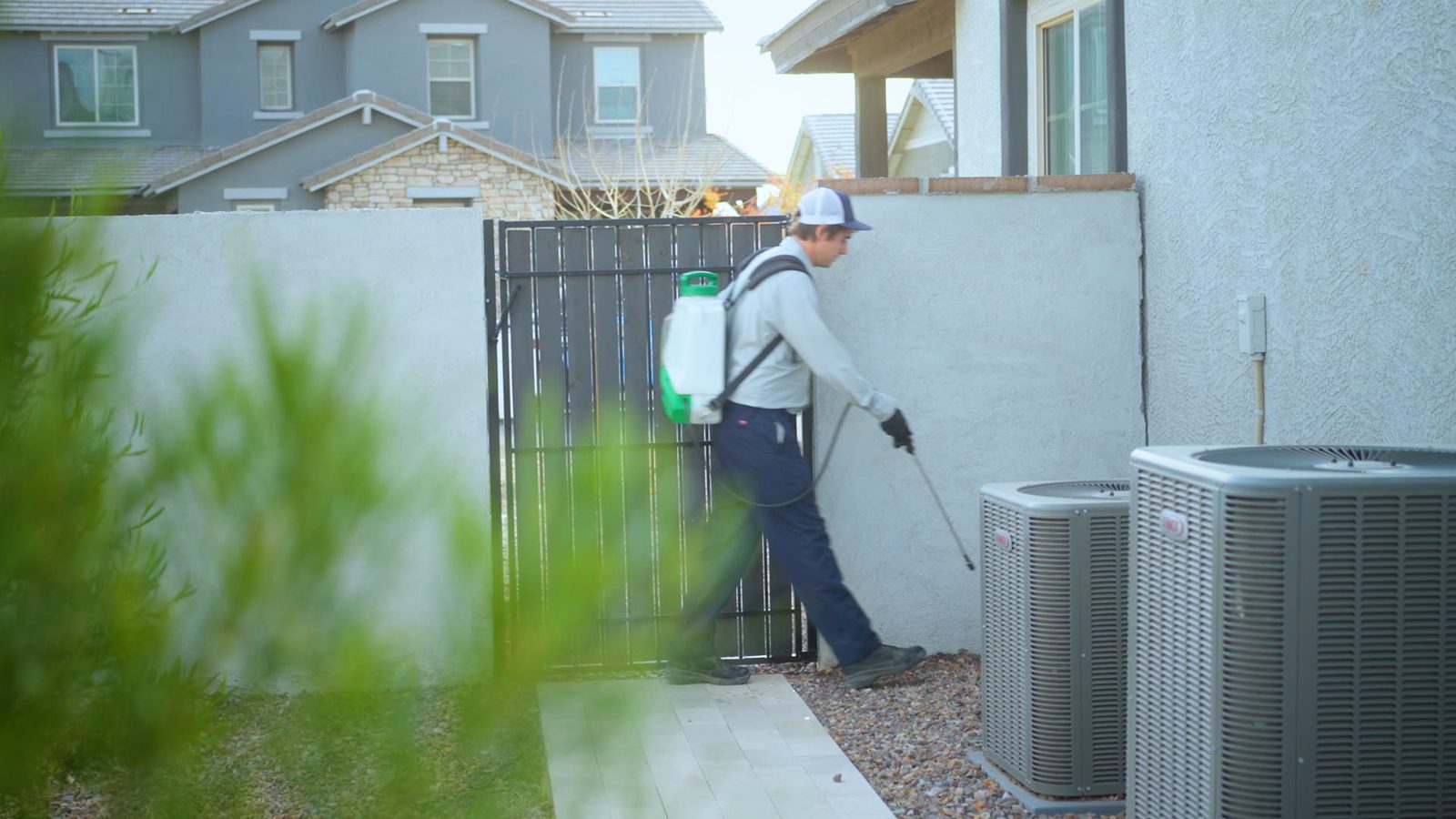
We get this question more than almost any other from weed control customers in Queen Creek. It makes sense. This is a town of big lots, dog runs and horse properties, from the acre-plus homes around Sossaman Estates and the equestrian streets near Horseshoe Park to newer neighborhoods like Cortina, Hastings Farms and Harvest in 85140 and 85142. Plenty of those backyards are mostly gravel, and the dogs spend their day on it. So before anyone sprays, the first thing a Queen Creek homeowner wants to know is what that spray means for the animals who live there. This guide answers that honestly, without the marketing language that fills the top search results.
Is Any Weed Killer Actually "Pet Safe"?
"Pet safe" is a marketing phrase, not an official rating. Federal rules for registered pesticides do not allow safety claims such as "safe," "non-toxic" or "harmless" on the label, so a product sold as pet friendly is usually either a natural-ingredient product sold under a lighter set of rules, or a regular herbicide whose label says how to use it around animals. Either way, the label decides how safe it is in practice.
That matters because a natural ingredient is not automatically gentle. Here is how the common categories really compare:
| Type of weed killer | What it usually contains | What pet owners should know |
|---|---|---|
| Household vinegar | About 5% acetic acid | Low risk, but it only burns the tops of young weeds. Bermuda grass and established weeds grow back. |
| Horticultural vinegar | Much stronger acetic acid | Corrosive. It can irritate skin, eyes and paw pads, so pets stay off it like any other spray. |
| Salt or salt-and-vinegar mixes | Sodium chloride | Leaves the soil unable to grow anything, and dogs that lick it up can get sick. We never recommend it. |
| Natural oil products | Clove, citrus or similar oils | Contact-only, so repeated sprays are needed. Strong oils can still bother pets. |
| Registered post-emergent herbicides | Selective or non-selective active ingredients | Kills weeds down to the root. The label tells you exactly when people and pets can return. |
| Pre-emergent herbicides | Granular or liquid products that stop seeds sprouting | Needs water to activate. The label says when the treated area is ready for pets again. |
How Long Should Pets Stay Off the Yard After Weed Killer?
For most liquid weed killers, the label tells you to keep people and pets out of the treated area until the spray has dried. In Queen Creek's dry air that is often quicker than in humid states, but it depends on shade, temperature and whether the sprinklers run. Granular products follow their own label directions, which often include watering them in first. Always go by the label, not by a rule of thumb.
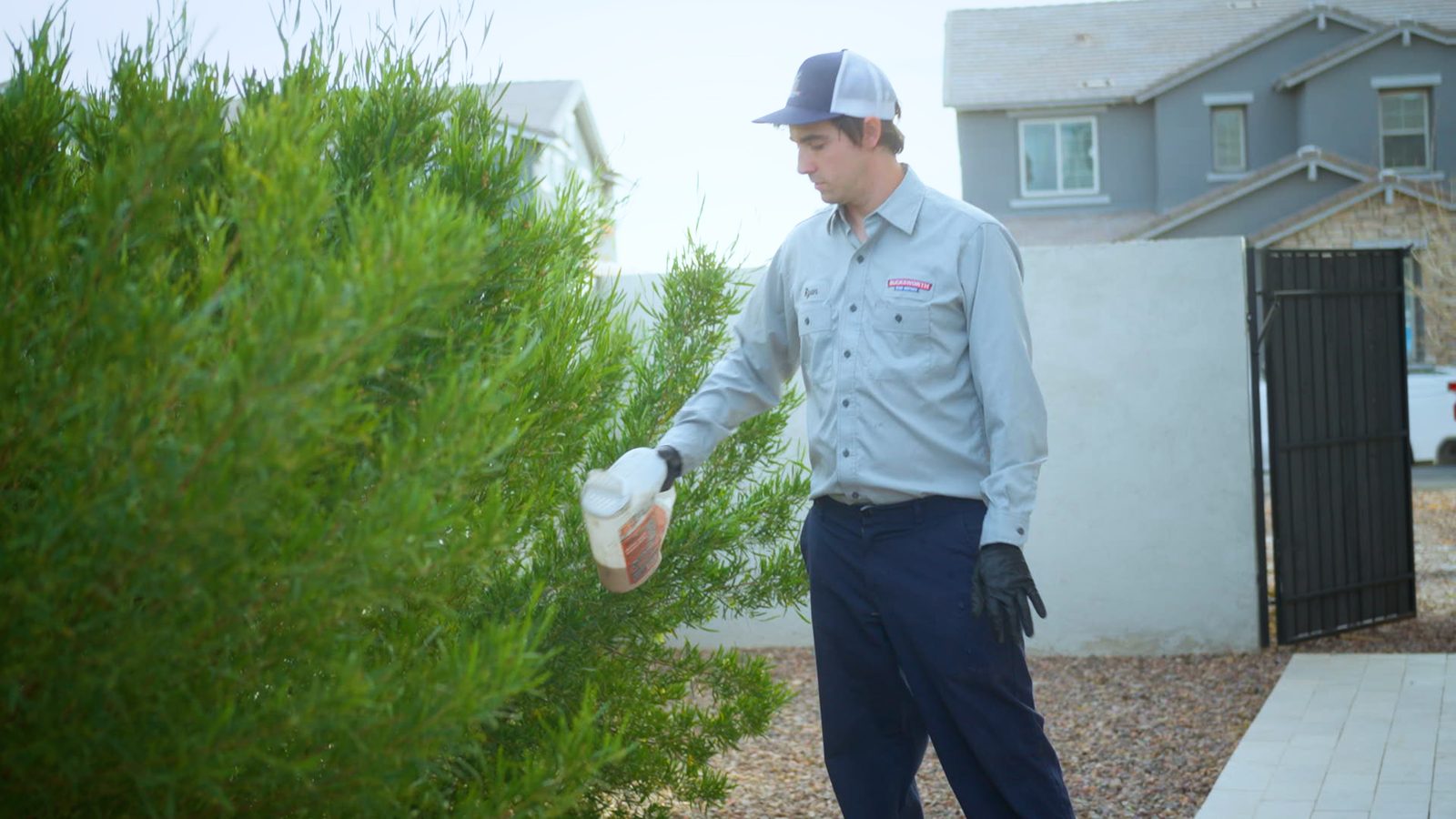
When our technicians treat a Queen Creek yard, we do it this way:
- We ask where the dogs, cats or horses spend their time before we start.
- We ask you to keep pets inside or in an untreated part of the yard during the visit.
- We spot-treat the weeds we can see instead of soaking the whole yard.
- We tell you when the treated area can be used again, based on the product label.
- We point out any water bowls, toys or chew bones left in the area so they can be moved first.
What Happens If My Dog Eats Grass or Weeds That Were Sprayed?
If a dog eats plants that were freshly sprayed or licks wet product, call your veterinarian or a pet poison control line right away and have the product name ready. Common signs to watch for include drooling, vomiting, diarrhea or unusual tiredness. Once a properly applied product has dried, the risk drops sharply, which is why the drying step matters so much.
Two habits help a lot in a dog-heavy house:
- Wipe paws after walks. Dogs pick things up on their pads from common areas, walking paths and HOA landscaping you don't control, and then they lick their paws.
- Keep the product name. When we treat, you know exactly what was applied and when. That is one advantage of a professional service over a half-empty jug in the garage nobody remembers buying.
Are Weeds More Dangerous to Pets Than the Weed Killer?
In Queen Creek, the weeds themselves often cause more vet visits than the products. Two local weeds are the main problem for dogs:
Foxtail barley (wild barley)
This winter and spring grass shows up after the cool-season rains, especially along fence lines, open lots and the edges of horse properties. When it dries, its seed heads break into sharp, barbed awns. Dogs inhale them, get them stuck between their toes or in their ears, and the awns can work their way deeper. Vets in desert towns see these cases every spring.
Puncturevine (goatheads)
Puncturevine spreads flat across gravel and dirt in the summer heat and after monsoon storms. Its spiny burrs are hard enough to puncture bike tires, so you can imagine what they do to paw pads. Dogs start limping or refuse to walk across the side yard.
Getting rid of these weeds before they set seed is one of the best things you can do for a dog. That is the real reason many pet owners in 85140 and 85142 call us, and it is why a pre-emergent weed control plan in Queen Creek is often the most pet-friendly choice. It stops foxtail and goathead seeds from sprouting at all, so there are fewer sprays later.
Is Pre-Emergent or Post-Emergent Better for a Yard With Pets?
For pet owners, a pre-emergent plus spot-treatment program usually means fewer days the yard is off limits. Pre-emergent goes down before the main weed seasons, and once it is watered in and the label time has passed, the yard is used normally for months. Post-emergent is then used only on the few weeds that break through.
If you want the deeper background, our guide on what a pre-emergent herbicide is and how it works explains the chemistry in plain English. For Queen Creek timing, see why pre-emergent timing matters in Queen Creek.
When Is the Best Time to Spray Weeds in Queen Creek If You Have Pets?
Spray early on a calm morning, when pets can stay inside until the product dries and before the afternoon heat. Avoid windy days, because drift can reach a dog run or a neighbor's horse pen, and avoid spraying right before the sprinklers or a monsoon storm unless the label calls for watering in.
| Season in Queen Creek | Weeds we see most | Pet-owner tip |
|---|---|---|
| Late winter to spring | Foxtail barley, London rocket, mustards | Remove foxtail before the seed heads dry out. |
| Early summer | Puncturevine, spurge | Treat early mornings, before gravel heats up. |
| Monsoon (July to September) | Fast-growing summer annuals, Bermuda grass runners | Check the forecast. Rain right after spraying can move product. |
| Fall | Cool-season weed seeds waiting for rain | A fall pre-emergent keeps foxtail from coming back in spring. |
Why Do Weeds Keep Coming Back in Pet Areas?
Dog runs and side yards are tough spots. Dogs dig through landscape fabric, pet waste adds nutrients, and drip lines or water bowls keep the same patch of soil damp. Each of those helps weed seeds sprout. Bermuda grass also creeps in from neighboring lawns and irrigated pastures along the Queen Creek Wash. We explain this pattern in more detail in why weeds keep coming back in Queen Creek.
A few changes make a big difference:
- Fix leaking drip emitters and move water bowls so one spot isn't always wet.
- Rake rock back over spots where dogs have dug down to bare dirt.
- Pick up pet waste regularly so it isn't feeding weeds in the gravel.
- Treat weeds while they are small, before they flower and drop seed.
If you have a lawn instead of gravel, our weed and feed program in Queen Creek handles broadleaf weeds in Bermuda turf, and the pet re-entry rule from the label still applies.
Should I Hire Someone or Spray Weeds Myself Around My Pets?
You can spray weeds yourself around pets if you pick a product labeled for your weeds, read the whole label and follow the re-entry directions every time. Most problems we see come from mixing too strong, spraying on a windy afternoon, or using salt and vinegar mixes that harm the soil.
A professional service makes sense when the yard is large, foxtail or goatheads keep coming back, or you simply don't want to store herbicides in a house with curious dogs. If you're comparing products for a do-it-yourself job, our guide on the best weed killer for Mesa yards covers which herbicides work on desert weeds, and the same weeds grow here.
We treat yards across the East Valley, including San Tan Valley, Gilbert, Mesa, Chandler and Apache Junction, where we are based. Neighbors just south of town can also see our post-emergent weed treatment in San Tan Valley. You can watch our technicians at work on the Bucksworth YouTube channel.
Frequently Asked Questions
Is weed killer safe for dogs once it dries?
For most registered liquid weed killers, the label lets people and pets back onto the treated area once the spray has dried. That is the main safety step. Granular products and some specialty products have different directions, so always read the label for the exact product used.
Is vinegar a pet-safe weed killer?
Household vinegar is low risk, but it only burns the tops of young weeds and won't stop Bermuda grass or foxtail coming back. Strong horticultural vinegar is corrosive and can irritate paws and eyes, so pets should stay off it until it dries, just like any other spray.
Will weed killer hurt my horse in Queen Creek?
Horses graze, so pastures and paddocks need products whose labels allow use where animals feed and that state grazing restrictions. Tell us about horses before any treatment so we can plan around feeding areas and follow those label directions.
What weeds are dangerous to dogs in Arizona?
Foxtail barley and puncturevine (goatheads) cause the most problems. Foxtail awns can get into a dog's nose, ears and paws, and goathead burrs puncture paw pads. Removing them before they set seed protects your dog and reduces how often you need to spray.
Do you ask about pets before treating?
Yes. Our technicians ask where your pets spend time, ask that they stay inside or in an untreated area during the visit, and tell you when the treated area can be used again. Call (480) 422-8388 with any questions before your visit.
How do I schedule weed control for a yard with pets?
Call (480) 422-8388 or request service online. Let us know about your dogs, cats or horses when you book, and we will plan the visit around them.