
Your neighbor's Bermuda grass in Glennwilde is thick, green, and looks like a golf course fairway. Yours is patchy, yellow, and struggling despite the fact that you water it every day and threw a bag of fertilizer on it last month. The difference is not effort or even water — it is the fertilizer program. In Maricopa, where alkaline soil locks out iron, extreme heat burns improperly applied products, and Bermuda grass has specific seasonal needs, a bag of generic 10-10-10 from the hardware store is not just ineffective — it can actively harm your lawn. Professional fertilization — the same proven approach we use for desert lawns across the Valley — matched to Maricopa soil and climate is why some lawns thrive and others suffer.
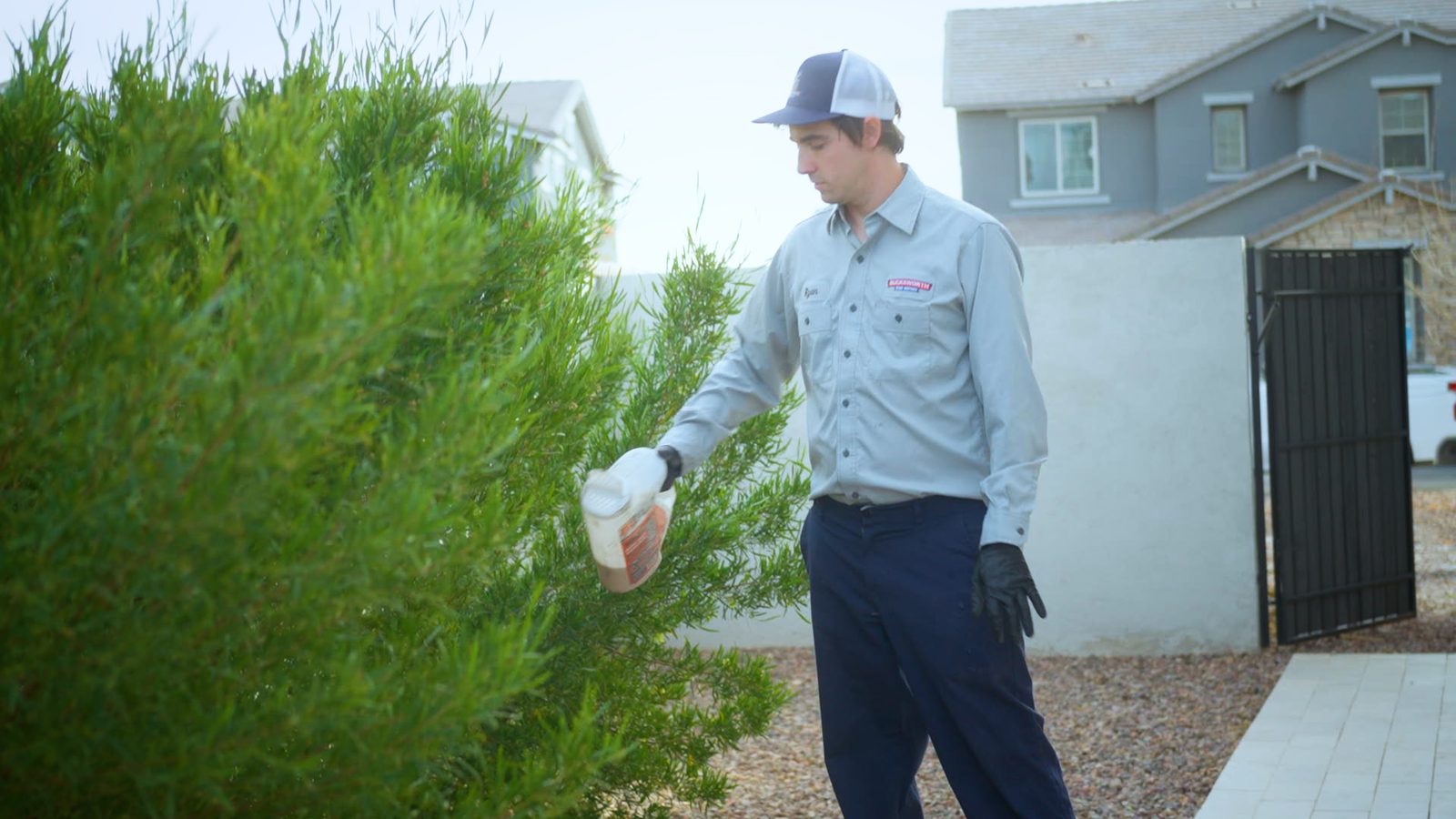
Why Maricopa Lawns Struggle Without Professional Fertilization
Master-planned Sonoran Desert communities need proactive pest control from move-in day For lawns, that environment creates specific nutritional challenges that generic fertilizer cannot address:
Iron chlorosis. The most visible lawn problem in Maricopa. Bermuda grass with adequate water and sunlight turns yellow when iron is unavailable — and in our alkaline soil, iron is almost always unavailable without chelated supplementation. Yellow lawns with green veins are the telltale sign. This affects properties in Glennwilde, Province, and virtually every neighborhood in Maricopa built on our naturally alkaline desert soil.
Nutrient timing mismatches. Bermuda grass in the 85138 area needs high nitrogen during active growth (April–September) but reduced nitrogen and increased potassium during stress periods (extreme heat, monsoon humidity, fall transition). Homeowners who apply the same fertilizer year-round are over-feeding during stress periods and under-feeding during growth periods — the worst possible combination.
Salt burn. Many synthetic fertilizers have high salt indexes. In Maricopa's already salty soil and irrigation water, additional salt from fertilizer can reach levels that damage root systems and create brown, burned patches. Professional products with low salt indexes — and application rates calibrated for Arizona conditions — prevent salt burn that is common with retail fertilizers in Glennwilde.
Micronutrient deficiency. Beyond iron, Maricopa lawns commonly lack zinc and manganese due to alkaline soil chemistry. These micronutrients are essential for enzyme function, chlorophyll production, and stress tolerance. Generic fertilizers rarely include them. Our professional blends include the full spectrum of micronutrients that Maricopa lawns need near Copper Sky Regional Park.
Compaction and caliche. Many Maricopa properties have compacted soil or caliche layers that limit root depth. Shallow-rooted grass cannot access nutrients beyond the top few inches of soil — making fertilizer application technique (rate, timing, formulation) even more critical than in areas with deep, loose soil.
Maricopa Lawn Fertilizer Types: What Actually Works in Alkaline Desert Soil (2026)
| Product Type | Pros | Cons | Maricopa Rating |
|---|---|---|---|
| Slow-release granular (pro-grade) | Consistent 6–8 week feeding, low burn risk, low salt | Requires professional application | ⭐⭐⭐⭐⭐ |
| Chelated liquid iron | Fixes yellowing within days, works in alkaline soil | Short-lived, needs reapplication every 4–6 weeks | ⭐⭐⭐⭐⭐ |
| Generic 10-10-10 (hardware store) | Cheap, widely available | High salt index, iron locked out by pH, burn risk | ⭐⭐ |
| Organic compost topdressing | Builds soil biology, improves water retention | Slow results, needs months to show improvement | ⭐⭐⭐⭐ |
| Ammonium sulfate | Lowers pH temporarily, fast green-up | Burns easily in heat, very high salt, acidifies unevenly | ⭐⭐⭐ |
The difference between a struggling yellow lawn and a thick green one in Glennwilde comes down to using products designed for pH 7.5–8.5 soil. Our Bucksworth program uses only pro-grade slow-release nitrogen paired with chelated iron — the combination that actually works in Arizona desert soil conditions.
The Maricopa Lawn Fertilization Calendar: Feeding Your Desert Lawn Right
Fertilizing a lawn in Maricopa requires a completely different approach than what works in other parts of the country. Our extreme heat, alkaline soil, and unique grass varieties demand precise timing:
March–April (Spring Green-Up): As Bermuda grass emerges from winter dormancy in Glennwilde, the first fertilizer application jumpstarts growth and green color. We apply a balanced nitrogen-phosphorus-potassium formula with iron supplement to counter the chlorosis (yellowing) caused by Maricopa's alkaline soil. Timing matters — applying too early (before soil hits 65°F) wastes product on dormant turf. Too late means the lawn is already stressed before it is fed.
May–June (Peak Growth): Bermuda grass in the 85138 area is growing explosively. This application provides the nitrogen that fuels dense, vigorous turf capable of withstanding 110°F+ heat. We use slow-release formulations that feed consistently over 6–8 weeks rather than dumping all nutrients at once, which causes burn risk in Maricopa temperatures.
July–August (Monsoon Stress): Monsoon storms bring humidity, fungal pressure, and soil saturation. We adjust the fertilizer blend to include potassium — which strengthens cell walls and improves disease resistance — and reduce nitrogen to avoid promoting soft, disease-prone growth. Iron applications maintain green color without the excess growth that high nitrogen produces near Copper Sky Regional Park.
September–October (Fall Feeding): The final warm-season application builds root reserves before Bermuda grass enters winter dormancy. A phosphorus-heavy formula promotes root development that ensures a strong spring green-up in Glennwilde. This is also the window for overseeding preparation if you plan a winter ryegrass lawn.
November–February (Winter Lawn Care): If you overseed with winter ryegrass, a light nitrogen application every 4–6 weeks maintains green color through Maricopa's mild winter. Non-overseeded Bermuda lawns are dormant and do not need fertilizer during this period.
Our Bucksworth lawn program applies the right product at the right time for Maricopa's unique conditions — not a generic national fertilizer schedule that ignores our alkaline soil, extreme heat, and Bermuda-dominant turf.
Bermuda Grass Watering Schedule for Maricopa — Paired With Fertilization
| Season | Watering Frequency | Duration per Zone | Best Time |
|---|---|---|---|
| Mar–Apr (green-up) | Every 3–4 days | 15–20 min (rotary heads) | 4:00–6:00 AM |
| May–Jun (peak growth) | Every 2–3 days | 20–25 min | 3:00–5:00 AM |
| Jul–Sep (monsoon) | Every 2 days (skip after rain) | 20–25 min | 3:00–5:00 AM |
| Oct–Nov (transition) | Every 4–5 days | 15–20 min | 5:00–7:00 AM |
| Dec–Feb (dormancy/overseed) | Every 5–7 days | 10–15 min | 7:00–9:00 AM |
Proper watering is the other half of lawn success. Without correct irrigation timing, even the best fertilizer program will underperform. Our technicians provide personalized watering recommendations for your 85138 property at every service visit.
How Bucksworth Fertilizes Maricopa Lawns for Year-Round Health
Our lawn fertilization program is designed specifically for Maricopa conditions — not imported from a national template:
- Customized nutrient blends — We use professional-grade fertilizers formulated for alkaline Arizona soil. Every application includes chelated iron, micronutrients (zinc, manganese, sulfur), and nitrogen sources selected for the current season. Spring and summer applications emphasize nitrogen for growth. Fall applications emphasize phosphorus for root development. All blends are low-salt to prevent burn in Glennwilde lawns.
- Seasonal application schedule — We apply fertilizer 4–6 times per year, timed to match Bermuda grass growth stages in the 85138 area: spring green-up (March–April), peak growth (May–June), monsoon stress (July–August), fall root building (September–October), and winter ryegrass support (November–January, if overseeded).
- Granular and liquid applications — We use both delivery methods depending on the product and situation. Granular slow-release nitrogen provides consistent feeding over weeks. Liquid chelated iron and micronutrients provide rapid correction of visible deficiencies. The combination delivers both long-term nutrition and fast results.
- Soil amendment recommendations — Based on your lawn's response and soil test results, we may recommend sulfur amendments to lower pH, gypsum to improve clay soil structure, or organic topdressing to build soil biology. These amendments improve long-term nutrient availability beyond what fertilizer alone provides near Copper Sky Regional Park.
- Integrated weed and pest management — Fertilization is most effective when combined with weed control and pest management. Our comprehensive lawn program addresses all three, ensuring your Maricopa lawn receives maximum benefit from every nutrient application without competition from weeds or damage from pests.
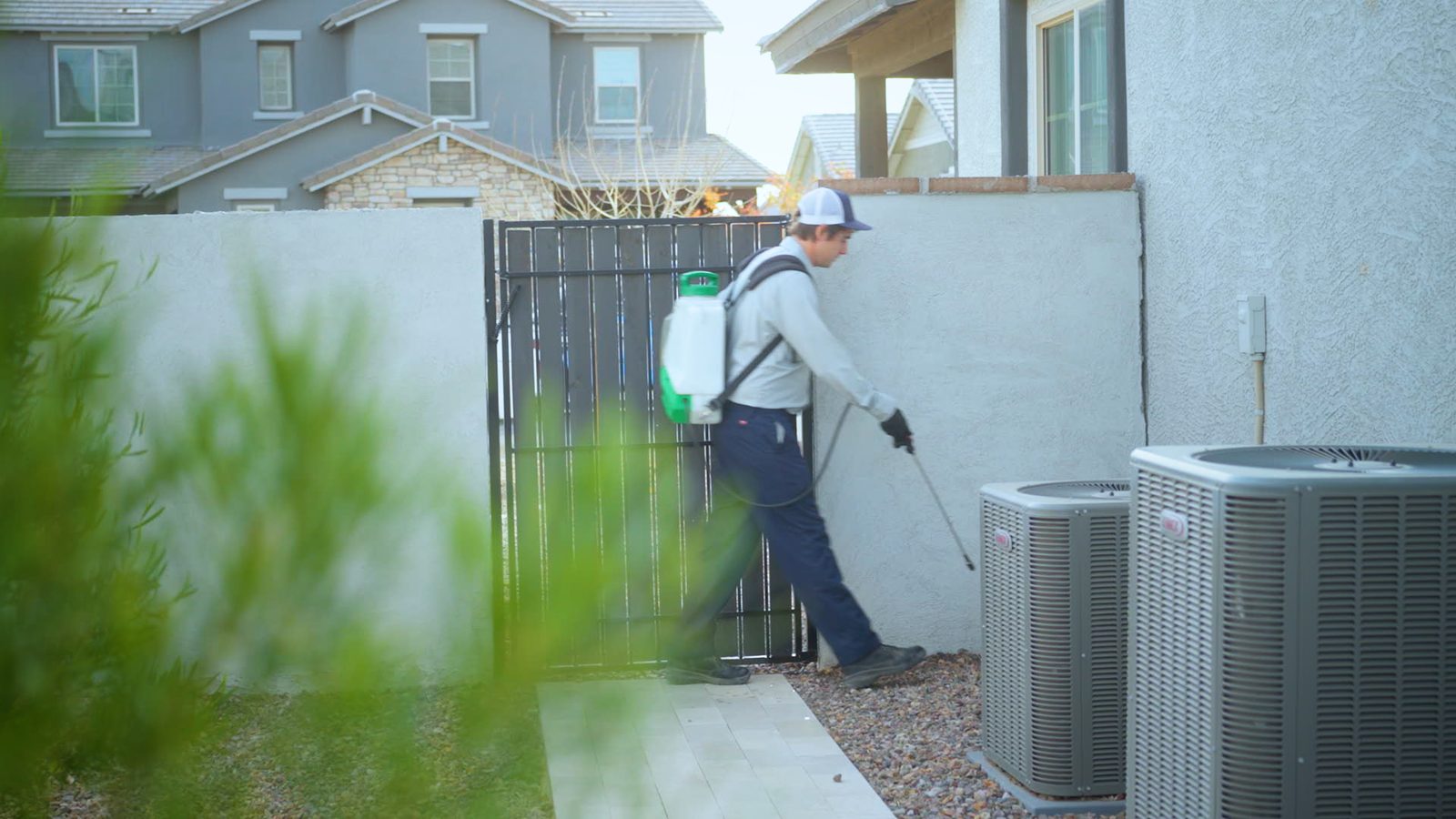
Between-Visit Lawn Care to Maximize Fertilizer Results in Maricopa
Professional fertilization provides the nutrition, but your daily lawn habits determine how effectively your grass uses it:
- Water deeply and infrequently. Bermuda grass in Maricopa thrives on deep irrigation (1 inch per session) 2–3 times per week during summer rather than daily light watering. Deep watering forces roots deeper, where they access nutrients and moisture even during extreme heat. Shallow, daily watering creates a shallow root system that is more vulnerable to stress in Glennwilde.
- Mow at the right height. Bermuda grass in Maricopa should be mowed to 1.5–2 inches during active growth. Mowing too short scalps the turf and exposes soil to sun, increasing water loss and weed pressure. Mowing too tall encourages thatch buildup. Never remove more than 1/3 of the blade height in a single mowing.
- Leave clippings on the lawn. Grass clippings return nitrogen to the soil as they decompose — essentially providing a free mini-fertilization with every mow. Clippings decompose quickly in Maricopa heat and do not cause thatch buildup when mowed at proper intervals across the 85138 area.
- Water fertilizer in immediately. After we apply granular fertilizer, water the lawn within 24 hours to activate the product and move it into the root zone. Leaving granular fertilizer on dry grass in Maricopa sun can cause burn spots. Our technicians will specify the watering timeline for each application.
- Watch for iron chlorosis. Yellow grass with green veins is iron deficiency — the most common nutrient issue in Maricopa lawns. Our fertilizer program includes chelated iron, but if you notice yellowing between visits, a supplemental liquid iron application can restore green color within days in Glennwilde.
Lawn Fertilization Needs Across Maricopa Neighborhoods
Different Maricopa neighborhoods present different lawn care challenges based on soil, water quality, and sun exposure:
Glennwilde — Established neighborhoods here often have older Bermuda lawns with compacted soil and significant thatch buildup. These lawns respond dramatically to aeration followed by proper fertilization. Iron supplementation is particularly important in this area — a challenge shared by Laveen and other alkaline-soil communities due to high soil pH and heavy mineral content in the irrigation water.
Province — Newer developments typically have thinner topsoil over compacted fill or caliche. Lawns in these areas need more frequent, lighter fertilizer applications because the shallow root zone cannot store nutrients effectively. Building soil health through organic amendments improves long-term fertilizer response.
Across the 85138 zip code near Copper Sky Regional Park, the common thread is alkaline soil and hard water. Every Maricopa lawn — regardless of neighborhood — needs iron supplementation for green color, appropriate nitrogen timing for healthy growth, and professional products formulated for our specific conditions. Our Bucksworth lawn program addresses all of these factors in every application.
Bucksworth Home Services helps Maricopa homeowners grow and maintain beautiful, healthy lawns with professional fertilization designed for our unique desert conditions. We serve Glennwilde, Province, and the entire 85138 area with seasonal applications, iron supplementation, and expert lawn advice. Call (480) 422-8388 for a free lawn assessment.
Lawn Fertilization Cost: DIY vs. Professional in Maricopa
| Factor | DIY (Hardware Store) | Professional (Bucksworth) |
|---|---|---|
| Annual fertilizer cost | $80–$200 (4–6 bags) | $249–$499 (4–6 pro applications) |
| Iron supplementation | $30–$60/bottle (often wrong type) | Included — chelated iron every visit |
| Micronutrients (Zn, Mn, S) | Not included in generic products | Included in every application |
| Burn risk | High — wrong rate/timing causes brown patches | Minimal — calibrated for Maricopa soil/temps |
| Weed control integration | Separate purchase + application | Bundled with weed control program |
| Expert diagnosis | Trial and error | Trained eye at every visit — catches problems early |
When you factor in the cost of fixing weed invasions and replacing burned turf from DIY mistakes, professional fertilization is often cheaper in the long run — and your lawn looks dramatically better.
Why Maricopa Homeowners Trust Bucksworth Home Services
Bucksworth Home Services was founded right here in Arizona by Jordan Moore. We are not a franchise. We are not a national chain with a call center in another state. We are a locally owned company with technicians who live in the communities they serve — including Glennwilde.
When you call Bucksworth, you get:
- Local expertise — We know Maricopa. We know the soil, the climate, the pest pressure, the plumbing challenges, and the HVAC demands of every neighborhood in the area.
- Honest communication — We tell you what we find, explain your options, and let you decide. No pressure, no upselling, no scare tactics.
- Licensed professionals — Every Bucksworth technician is licensed, insured, and trained for Arizona-specific conditions.
- Satisfaction guaranteed — If you are not happy with our work, we make it right. Period.
Related Services & Resources
- Lawn Fertilization in Maricopa
- Bermuda Grass Control in Maricopa
- Weed & Lawn Care in Maricopa
- All Bucksworth Services in Maricopa
- Maricopa Overseeding Service: Lush Winter Lawns for 85138
- Goodyear Lawn Fertilization Guide for Palm Valley
- Desert Lawn Nutrition in Peoria
- Desert Lawn Nutrition in Laveen
- Phoenix Lawn Fertilization for Ahwatukee Foothills
- Best Weed Control in Maricopa 85138
- Maricopa Pest Control: Your Partners in Home Defense
- Get a Free Instant Estimate
Call us today at (480) 422-8388 or visit our Lawn Fertilization page for Maricopa to schedule your appointment.
Frequently Asked Questions About Lawn Fertilization in Maricopa
How much does lawn fertilization cost in Maricopa?
Professional lawn fertilization in Maricopa typically costs $49 to $99 per application depending on lawn size. Our seasonal programs — which include 4–6 applications per year with chelated iron, micronutrients, and appropriate nitrogen sources — start at $249/year for standard residential lawns. Call Bucksworth Home Services at (480) 422-8388 for a free assessment of your Glennwilde lawn.
Why is my Maricopa lawn yellow even though I fertilize?
The most common cause is iron chlorosis — iron lock-out caused by alkaline soil (pH 7.5–8.5) that is standard across the 85138 area. Standard fertilizer contains iron in forms that become unavailable at high pH. Chelated iron — iron bonded to organic molecules that remain available despite alkaline conditions — is the solution. Our professional applications include chelated iron specifically formulated for Maricopa soil chemistry.
When should I fertilize my Bermuda grass in Maricopa?
Bermuda grass in Maricopa should be fertilized during active growth, typically March through October. The most critical applications are spring green-up (March–April) and peak growth (May–June). Reduce nitrogen during extreme heat and monsoon season (July–August). A fall root-building application (September–October) prepares the lawn for winter dormancy. Our Glennwilde program times every application for optimal results.
Can I fertilize my Maricopa lawn in summer?
Yes, but the product, rate, and timing must be carefully managed. High-nitrogen synthetic fertilizer applied on a 115°F afternoon will burn the turf. Professional slow-release nitrogen applied in early morning and watered in promptly feeds the lawn safely. During July and August, we shift to potassium-heavy formulations with iron to maintain color and stress resistance without promoting vulnerable new growth in the 85138 area.
Schedule Your Lawn Fertilization Service in Maricopa Today
Do not wait for the problem to get worse. Whether you are in Glennwilde, Province, or anywhere in the 85138 zip code, Bucksworth Home Services is ready to help. Call us at (480) 422-8388 or visit our Maricopa lawn fertilization page to schedule your service today.