
A "water bug" in a Gilbert house is almost always a cockroach. True water bugs are aquatic insects that live in ponds and only end up indoors by accident, while the large dark "water bugs" people find in kitchens, bathrooms and garages are usually American or Oriental cockroaches coming up from drains, sewer lines and irrigation boxes. If you are seeing them inside more than once, our roach elimination in Gilbert treats where they live, not just where you spot them. Call (480) 422-8388.
We hear the phrase "water bug" all over Gilbert, from older homes near the Heritage District in 85233 and 85234 to newer streets in Morrison Ranch, Power Ranch, Seville and Agritopia in 85295, 85296, 85297 and 85298. The name sounds less alarming than "cockroach", and some people genuinely believe the big shiny insect in the laundry room is a different animal. Gilbert does have real water bugs, though. The ponds at the Riparian Preserve at Water Ranch, community lakes such as the ones in Val Vista Lakes, and backyard pools all give aquatic insects a place to live. This guide explains how to tell the two apart in a few seconds, why it matters for what you do next, and when a sighting means you have a roach problem.
What Is the Difference Between a Water Bug and a Cockroach?
They belong to different insect orders and live completely different lives. True water bugs (giant water bugs, sometimes called "toe biters") are aquatic predators in the order Hemiptera. They hunt tadpoles, small fish and insects underwater and breathe at the surface. Cockroaches are land scavengers in the order Blattodea that eat almost anything and shelter in dark, damp voids. A water bug that gets indoors is lost. A cockroach indoors is often looking for a place to stay.
The confusion comes from habits, not looks. American and Oriental cockroaches love moisture, so homeowners find them near sinks, tubs, floor drains and water heaters, and the nickname "water bug" stuck.
How Can You Tell a Water Bug From a Cockroach?
Check the antennae first, then the legs and body shape. Cockroaches have long, thread-like antennae that are often as long as the body. True water bugs have very short antennae tucked under the head, thick grasping front legs that look like small pincers, and a flatter, broader oval body built for swimming.
| Feature | True water bug | Cockroach called a "water bug" |
|---|---|---|
| Antennae | Short, hidden under the head | Long and thread-like, constantly moving |
| Front legs | Thick, hooked grasping legs | Spiny running legs, all similar |
| Mouthparts | Piercing beak for feeding on prey | Chewing mouthparts for scavenging |
| Body shape | Broad, flat oval | Longer oval with a shield-like plate behind the head |
| Where it lives | Ponds, lakes, slow water, sometimes pools | Sewer lines, drains, irrigation and meter boxes, wall voids |
| How it gets inside | Flies to lights at night and wanders in by accident | Crawls up drains and through gaps around pipes and doors |
| Bite risk | Can give a painful bite if handled | Bites are very rare |
| Health concern indoors | Low; it cannot live in a house | Contaminates food and surfaces, can trigger allergies |
Is the big brown roach in my garage a water bug?
Almost certainly not. A reddish-brown roach about an inch and a half long with a pale, yellowish band around the plate behind its head is an American cockroach, the insect most often called a water bug. It runs fast, may fly short distances on hot nights, and usually comes from the sewer or a nearby utility box.
What about the shiny black ones?
A dark, almost black roach about an inch long that moves slowly is likely an Oriental cockroach. It favors cooler, wetter spots such as crawl spaces, floor drains and the soil under leaky hose bibs. In the Valley we also see Turkestan cockroaches outdoors in water meter and irrigation boxes, where the males are tan and the females are darker with short wings.
Which "Water Bugs" Do Gilbert Homeowners Actually Find?
Inside the house, our technicians find large cockroaches far more often than any aquatic insect. These are the usual suspects:
- American cockroaches: the classic "water bug" in kitchens, bathrooms and garages, especially after warm nights.
- Oriental cockroaches: slow, dark roaches near floor drains, laundry rooms and damp slab edges.
- Turkestan cockroaches: outdoor roaches in irrigation valve boxes, block wall gaps and mulch, which wander in under doors.
- German cockroaches: small, tan roaches that live indoors near appliances. Nobody calls these water bugs, but they are the hardest to clear. Our German cockroach guide from Mesa covers them in detail.
Outside, a true giant water bug usually shows up in one of two places: floating in the pool skimmer, or on the patio under a porch light near a lake or pond. That is why homes close to the Riparian Preserve, Freestone Park and the lake communities see them more than homes in the middle of a dry subdivision.
Why Are Cockroaches Called Water Bugs?
Because the roaches that get the name live where water is. American and Oriental cockroaches need moisture and spend their lives in sewers, storm drains and damp utility spaces, then show up beside sinks and tubs. The nickname also softens the news. "We had a water bug" sounds better to a guest than "we have roaches", so the term has hung on for generations.
The trouble is that the softer name can delay a fix. A roach that came up a drain once can come back the same way, and an occasional "water bug" can turn into a steady stream when the weather heats up.
Why Do Water Bugs Come Up Through Drains in Gilbert?
Most do not come up through the drain itself. They usually come from the sewer side or from gaps around plumbing where pipes enter walls and slabs. In Gilbert we see three common entry patterns:
- Dry drain traps. A guest shower, laundry sink or floor drain that sits unused can lose the water in its trap and give roaches an open path from the sewer.
- Gaps around plumbing. Openings around pipes under sinks, behind toilets and at the water heater connect wall voids to living space.
- Outdoor harborage near the house. Irrigation valve boxes, water meter boxes, cleanouts and pool equipment pads stay damp all summer and hold roaches right next to the slab.
The East Valley's long hot season keeps sewer roach activity high from late spring through fall, and warm nights bring them to the surface. Monsoon storms can also push them out of flooded underground spaces and toward homes.
Are Water Bugs Dangerous?
A true water bug can bite hard if you pick it up, and the bite is painful, but it is not a household pest and it will not infest a home. Cockroaches are the bigger concern. They travel through sewer lines and then walk across counters, dishes and food, and their droppings and shed skins are a known allergy and asthma trigger, especially for children.
Roaches also feed the food chain you do not want indoors. In Gilbert a steady supply of roaches and other insects can attract bark scorpions, which is why our scorpion control in Gilbert includes reducing the insects they hunt. If you are worried about bites specifically, our Queen Creek guide to cockroach bites explains what is and is not likely.
What Should You Do If You Find a Water Bug in Your House?
Identify it, then deal with the source. A single giant water bug near the back door is a one-time visitor: carry it out and turn off or swap the porch light that attracted it. A cockroach is a sign to look for a path in.
- Run water in every unused drain once a week to keep the traps full.
- Fit drain covers or stoppers in floor drains and rarely used tubs.
- Seal gaps around pipes under sinks and at the water heater.
- Keep irrigation and meter box lids closed and clear debris and mulch away from the slab.
- Fix leaks under sinks and at outdoor hose bibs so roaches lose their water source.
- Store pet food in sealed containers and do not leave it out overnight.
If you see roaches in more than one room, during the day, or several nights in a row, the source is likely in the sewer connection, wall voids or outdoor boxes, and store-bought sprays will not reach it.
Do roach sprays work on sewer roaches?
They kill the roach they hit, but the population that lives in the sewer and utility boxes keeps sending more. Lasting control comes from treating harborage outside, at entry points and in voids, combined with sealing and drain maintenance.
How Do We Get Rid of "Water Bugs" in Gilbert Homes?
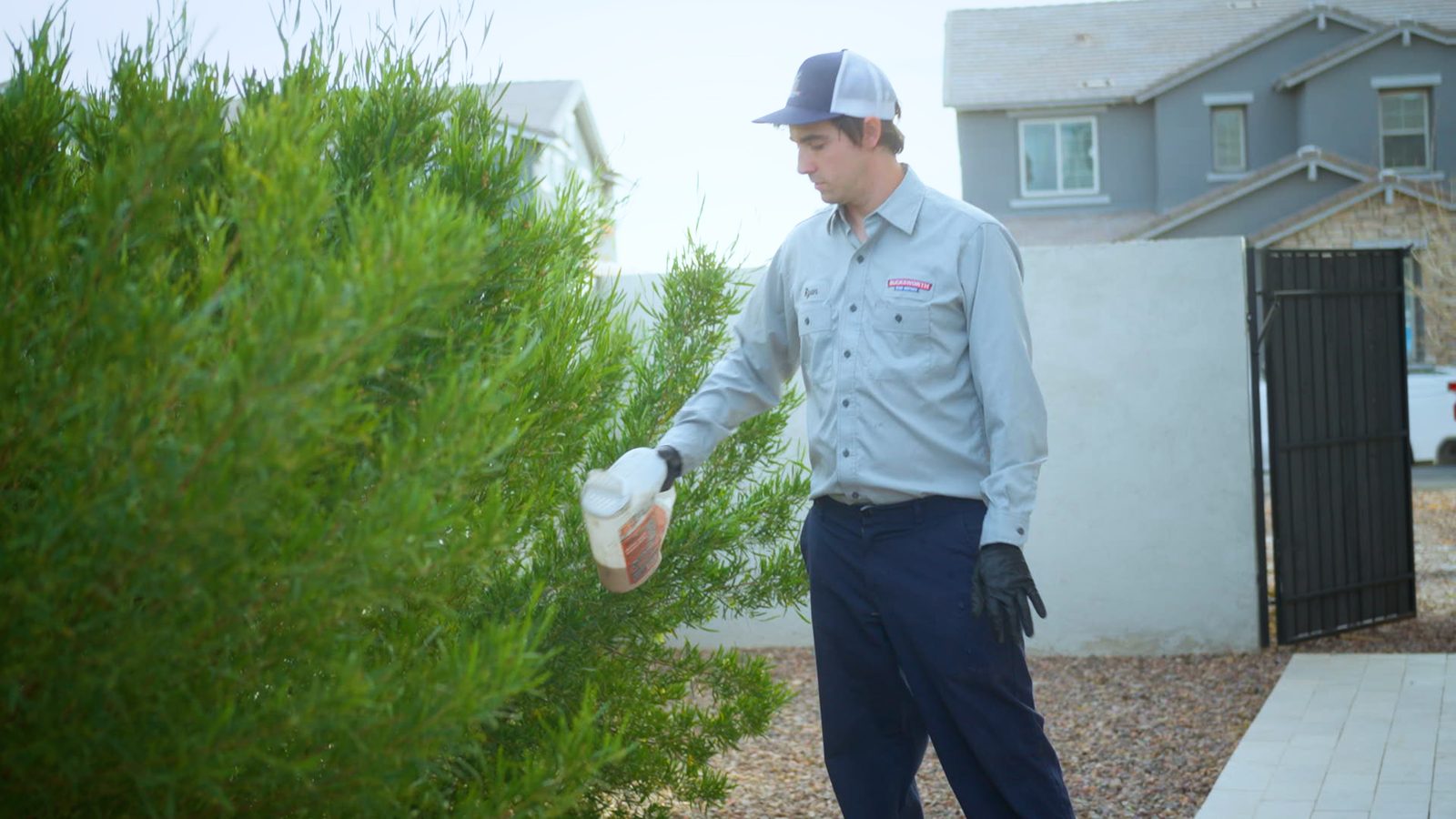
We treat the roach population where it lives and closes the paths into the house. A typical visit through our pest control in Gilbert covers:
- Inspection: we confirm the species, then check drains, plumbing penetrations, the garage, the water heater area, and outdoor irrigation and meter boxes.
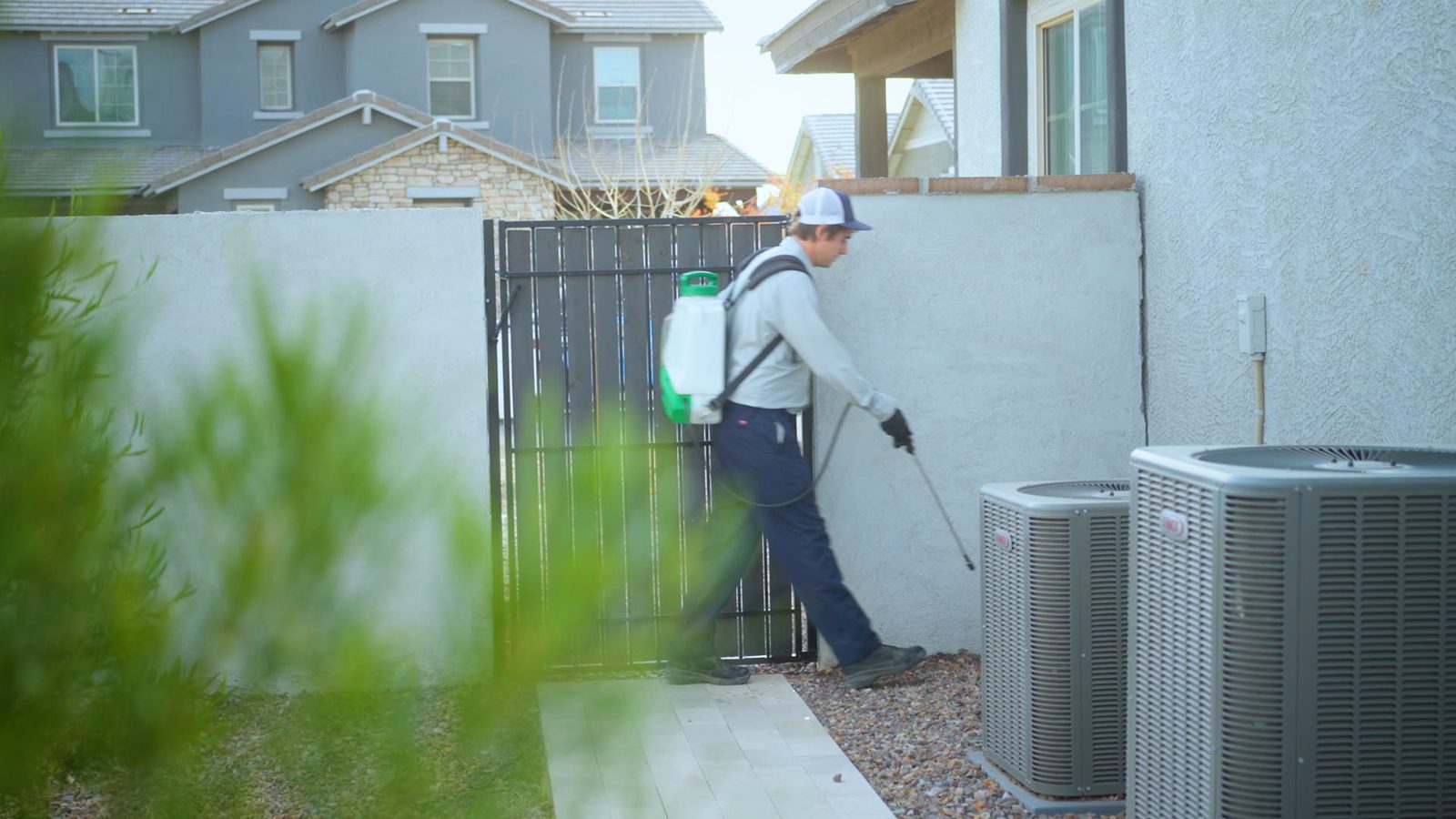
- Exterior treatment: perimeter and harborage treatment around the foundation, utility boxes and entry points.
- Interior treatment where needed: targeted products in voids and along the routes roaches use, not broad spraying of living areas.
- Exclusion advice: specific gaps and drains to seal or cover so fewer roaches make it inside.
- Follow-up: ongoing service keeps pressure on outdoor populations through the hot months.
Every service is backed by our 100% Money Back Guarantee *Terms and conditions apply. For more Gilbert-specific roach advice, read our Morrison Ranch roach elimination guide, and if you have seen roaches flying on hot nights, see whether cockroaches can fly.
Do Neighboring East Valley Cities See the Same Problem?
Yes. Sewer roaches and the "water bug" mix-up come up across the East Valley. We handle the same calls through pest control in Mesa, pest control in Chandler and pest control in Queen Creek, as well as in Tempe and San Tan Valley. The pattern is the same everywhere: the roaches come from below ground and from damp boxes outside, so the fix starts there.
Frequently Asked Questions About Water Bugs and Cockroaches
Is a water bug the same as a cockroach?
No. A true water bug is an aquatic insect that lives in ponds and lakes. But most insects people call water bugs indoors are American or Oriental cockroaches.
How do I know if it is a water bug or a roach?
Look at the antennae. Long, thread-like antennae mean cockroach. Short, hidden antennae with thick grasping front legs mean a true water bug.
Do water bugs bite?
True water bugs can bite painfully if handled. Cockroaches very rarely bite people.
Can water bugs infest a house?
True water bugs cannot live in a house and leave or die indoors. Cockroaches nicknamed water bugs can establish themselves in drains, voids and outdoor boxes around a home.
Why do I see water bugs at night?
Cockroaches are active at night and come out to feed, and true water bugs fly to outdoor lights after dark. Seeing roaches in daylight can point to a larger population.
Do you treat for cockroaches in Gilbert?
Yes. We serve 85233, 85234, 85295, 85296, 85297 and 85298. Call (480) 422-8388 or request service online.