
To get rid of mice in a Mesa house, find and seal the gaps they use to get in, then trap the mice already inside with snap traps placed along walls. Traps alone never finish the job, because new mice keep coming through the same openings. If you hear scratching in your walls or attic, call us at (480) 422-8388 and our team will walk your property and show you the entry points.

We built this guide from what our technicians see in Mesa homes, from the older ranches near Dobson Ranch and Alta Mesa to newer stucco homes in Eastmark and Las Sendas. It covers how to confirm you have mice, what to do first, where they get in, and when it is time to bring in a pro. Our rodent exclusion in Mesa service follows the same order: inspect, seal, then remove.
How Do You Know You Have Mice in Your Mesa House?
The earliest signs are droppings, noises at night and chewed food packaging. Mouse droppings are small, dark and rice-shaped, usually found along baseboards, behind appliances and in pantry corners. Scratching or scurrying from walls or the attic, mostly after dark, is the other big clue.
- Droppings. Fresh ones are dark and soft. Old ones are gray and crumble.
- Gnawed packaging. Small, ragged holes in cereal boxes, pet food bags and bread.
- Sounds. Light scratching, squeaks or running along walls, ceilings and under the sink.
- Grease rub marks. Dark smudges along walls where mice run the same path every night.
- A musty, ammonia-like smell in closets, the garage or the pantry.
- Nests. Shredded paper, fabric or insulation tucked behind storage boxes.
Mice rarely show themselves in daylight. If you see one in the open during the day, the population is usually larger than you think.
Is It a Mouse, a Roof Rat or a Pack Rat?
Treatment depends on what is actually in your house, and Mesa has more than one rodent. House mice are the small ones that stay low. Roof rats climb, so they get into attics, palm trees and block walls. Droppings size is the fastest field test.
| What you find | Likely rodent | Where it shows up in Mesa |
|---|---|---|
| Rice-sized droppings, scattered by the dozens, gnawed food | House mouse | Kitchens, pantries, garages, behind appliances |
| Larger, capsule-shaped droppings, noise overhead, gnawed fruit | Roof rat | Attics, citrus and palm trees, tops of block walls |
| Piles of sticks, cactus joints and debris, chewed wires in a vehicle | Pack rat | Desert lots, rock yards, edges near Usery Mountain |
| Tiny droppings plus greasy trails along baseboards | House mouse | Older homes, rentals, apartments with shared walls |
If the droppings are bigger than a grain of rice, you may be dealing with a rat rather than a mouse. That is a different job, and our guide to rodent-proofing a Mesa home in Eastmark covers the larger species.
How Do Mice Get Into a House in Mesa?
Mice squeeze through any gap about the size of a dime. Mesa homes give them a lot of options, and almost all are at ground level or at the roof edge. Walk the outside of your home slowly and look at each of these.
Garage door and side-door gaps
A worn rubber seal at the bottom of a garage door is the number one entry point we find. If you can see daylight under the door, a mouse can get through. Check weatherstripping on side doors as well.
Where lines and cables enter the wall
Look at the spots where cable, gas and pipe lines pass through stucco or block. Builders often leave a ring of open space around them. A gap you can fit a pencil into is big enough.
Roof edges, tile and vents
Barrel-tile roofs leave small openings under the first row of tiles, and attic vents without a screen are an easy way in. Roof rats favor these routes, and mice follow them if the openings are low.
Block walls, citrus and palms
A trimmed tree touching the roofline gives rodents a bridge. Fruit that falls and stays on the ground draws them to the yard in the first place.
What Should You Do First to Get Rid of Mice?
Start by removing what feeds them and finding where they travel, before you set a single trap. This order matters because mice are cautious and learn the layout of a space quickly. Here is the sequence we recommend.
- Put food away. Move pet food, cereal and bread into hard plastic or glass containers with tight lids.
- Clean up. Sweep crumbs, wipe counters and take out the trash every night until the problem is solved.
- Map the activity. Look for droppings and rub marks to see where mice run, then set traps there.
- Seal the obvious gaps. Steel wool packed into a hole, then topped with caulk or patch material, holds up better than foam alone because mice chew foam.
- Set snap traps. Place them against walls, with the trigger end facing the wall, since mice hug walls as they travel.
- Check traps daily and wear gloves when disposing of mice.
What is the best bait for mouse traps?
A pea-sized dab of peanut butter works well, pushed firmly into the trigger. Mice lick it off rather than grab and run, which sets the trap off. Chocolate and a bit of nesting material such as cotton work too.
Do Home Remedies and Poison Actually Work?
Peppermint oil, ultrasonic plug-ins and mothballs will not clear a real infestation. Mice may avoid a spot for a day or two, then return. We also do not recommend loose poison bait around a house. A mouse that eats it can die inside a wall, where the smell lasts for days, and pets and wildlife can be exposed.
| Method | Result in a typical Mesa home | Our take |
|---|---|---|
| Snap traps along walls | Works for small numbers of mice | Good first step, safest to use indoors |
| Peppermint oil or sprays | Temporary at best | Does not solve the problem |
| Ultrasonic plug-ins | Little to no lasting effect | Not worth the money |
| Loose poison bait | Risk to pets, wildlife and smell from dead mice in walls | We do not recommend it |
| Sealing entry points, then removal | Fixes the cause | What a professional does |
When Do Mice Move Into Mesa Homes?
Mesa mice are active all year, but pressure builds in late fall and winter. When nights drop into the 40s, mice look for warm, dry shelter, and a garage or attic fills the need. Summer heat, which regularly passes 100 degrees, also drives them indoors to the shade of walls and pantries.
The same is true across the East Valley, so the advice here carries over to rodent exclusion in Gilbert and rodent control in Chandler. The cooler months are also the best time to seal your home before an infestation takes hold.
Why Does Sealing Matter More Than Trapping?
Trapping removes the mice you have now. Sealing stops the next group. A single female mouse can have several litters a year, so a handful of unsealed gaps can refill your house within weeks. This is why a trap-only approach feels like it works for a week and then stops.
Our technicians start every job with a full inspection of the roofline, the foundation and the garage. We look for where the animals travel and what they are using as a way in. Then we seal and remove. If you have noticed attic noise, our write-up on why Mesa homes near Usery Mountain need professional exclusion explains what that process looks like.
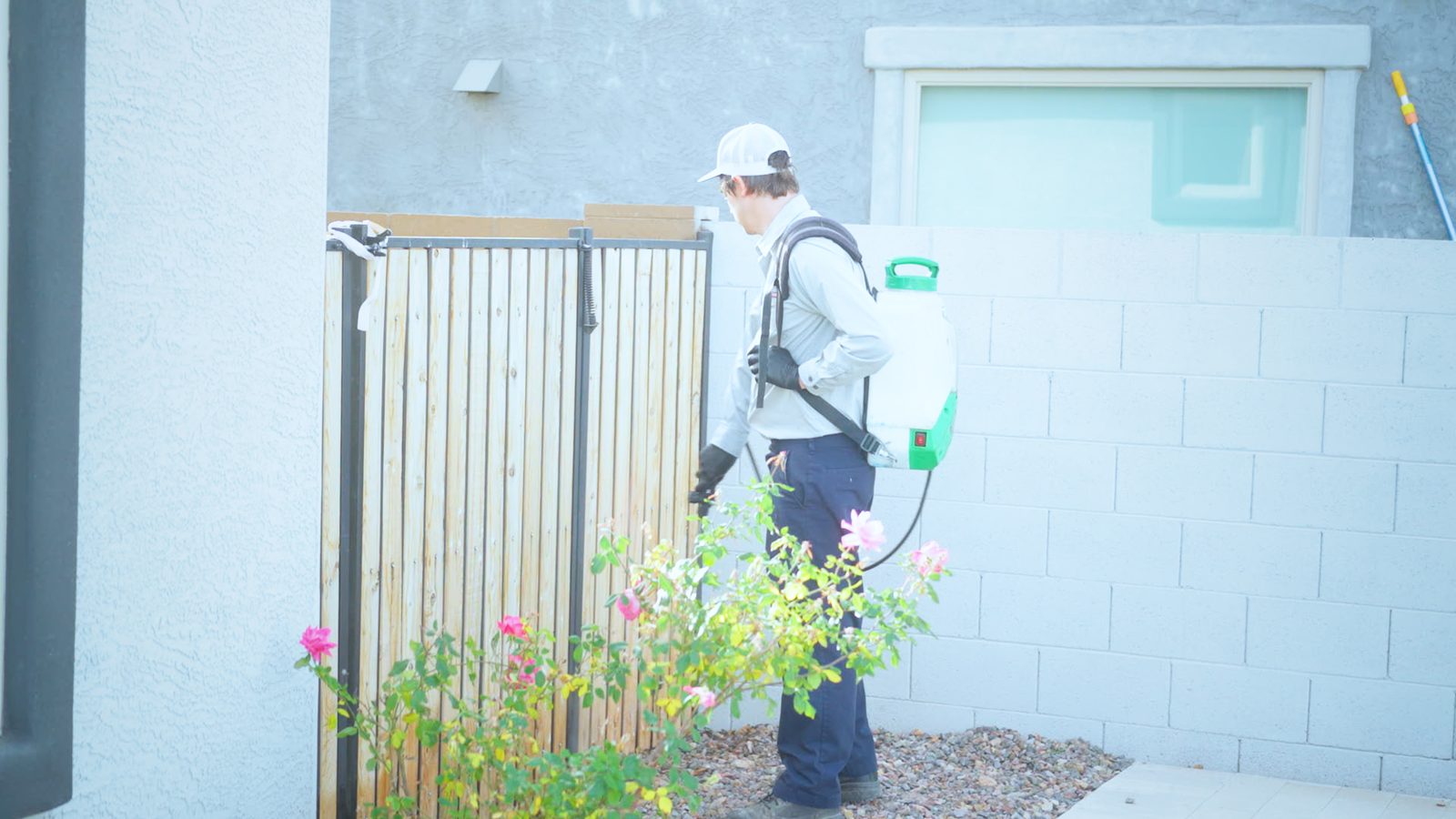
Can Other Pests Make a Mouse Problem Worse?
Yes. Insects bring more than their own trouble. Roaches and other bugs give mice a steady food source, and pests like these draw in scorpions, which hunt in the same dark corners. Our guides on how to kill German cockroaches in Mesa and what draws scorpions indoors cover the clutter and food habits that help every pest at once.
Do We Treat Mice Near Mesa Too?
Yes. We have served Arizona homeowners since 2013, and our East Valley crews work in Gilbert, Chandler, Tempe, Queen Creek and Apache Junction as well as all of Mesa, including the 85201 through 85210 zip codes. Neighbors often share the same problem, such as an older block wall or a vacant lot nearby.
- Pest control in Mesa for the full list of services at your address
- Rodent exclusion in Tempe for homes near the Mesa border
- Sealing out roof rats and mice in Apache Junction
- Bucksworth Home Services in Mesa
Ready for a technician to find where the mice are coming in? Request service online or call (480) 422-8388.
Frequently Asked Questions
How do I get rid of mice in my house fast?
Set snap traps along walls where you see droppings, put food in sealed containers and plug the obvious gaps with steel wool and caulk. For a real infestation, a professional inspection finds the entry points so they do not come back.
What attracts mice to a house in Mesa?
Food, water and shelter. Pet food left out, crumbs, fallen citrus, cluttered garages and gaps at doors and rooflines are the most common draws.
Can mice get in through a small gap?
Yes. A mouse can fit through an opening about the size of a dime, so even small holes around utility lines or under a garage door matter.
Are mice in the house dangerous?
They can be. Mice spread germs through droppings and urine, contaminate food and chew insulation and wiring. Wear gloves and wet-wipe droppings rather than sweeping them into the air.
Do mice leave on their own?
Rarely. If your home gives them food and shelter, they stay and breed. Removing the food and sealing the gaps is what makes them leave or stops new ones from arriving.
Can you remove mice from my Mesa home?
Yes. Call us at (480) 422-8388 or request service online and we will schedule an inspection.