
Almost never. A bark scorpion sting in Arizona is painful, but a healthy adult is very unlikely to die from one, and deaths in the state are extremely rare. The people at real risk are small children, older adults and anyone with other serious health problems, because the venom can affect breathing and muscle control. If a sting in Tempe causes trouble breathing, twitching, drooling or a child's unusual behavior, call 911 or Poison Control right away. To keep them out of your home, call us at (480) 422-8388.
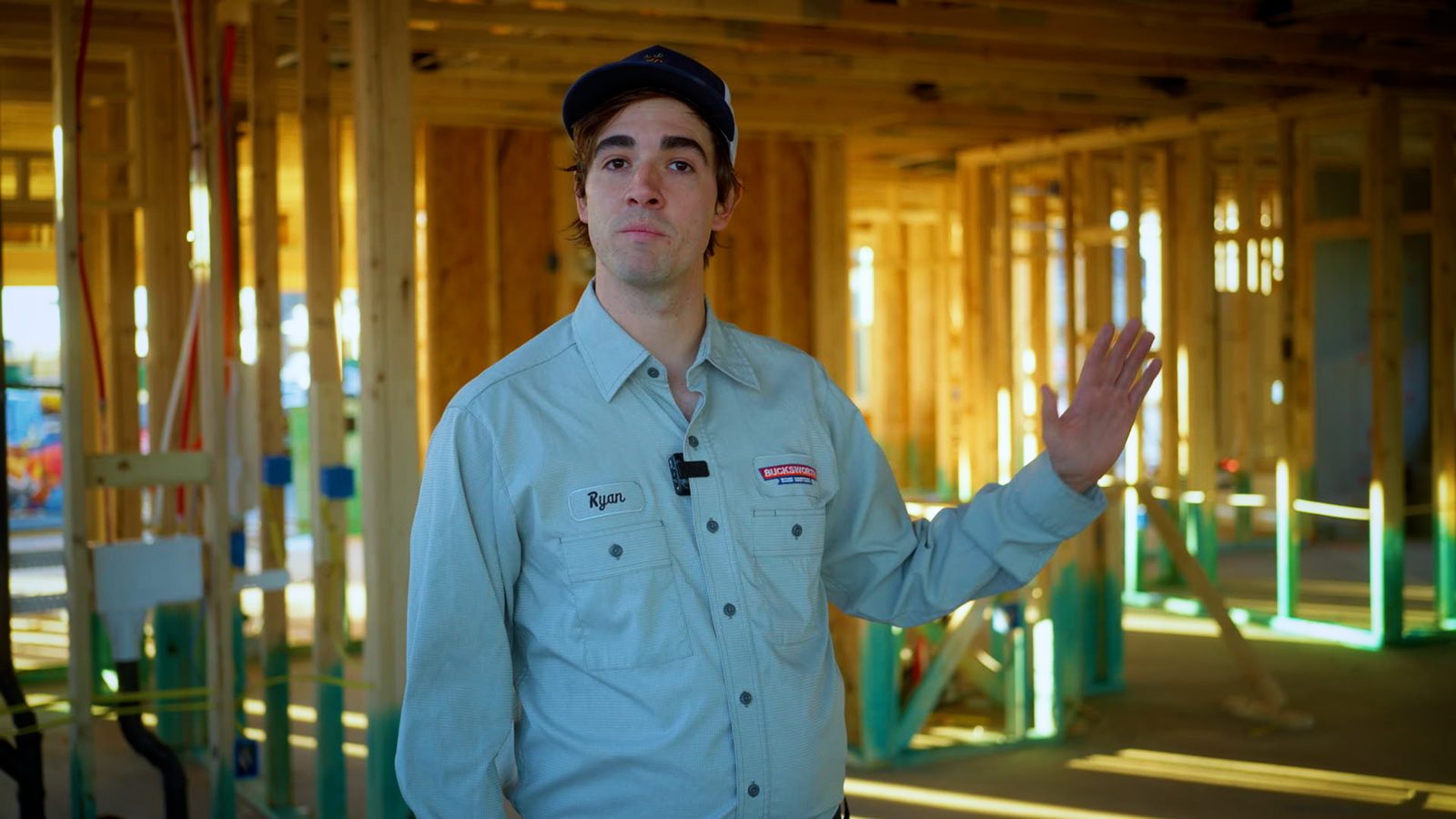
We hear this question from families in 85281, 85282, 85283 and 85284, usually right after a scorpion turns up near a bedroom or a child's play area. We are not doctors, and nothing here replaces medical advice. What we can tell you is what our technicians see around Tempe homes, which scorpion is the one that matters, and how to cut the odds of a sting in the first place. Our scorpion control in Tempe service is built around that last part.
Can You Die From a Scorpion Sting in Arizona?
You can, but it is rare. Of the scorpions found in Arizona, only the bark scorpion carries venom that can cause a serious reaction, and even then most stings end in pain, numbness and tingling that fade over a day or two. Medical sources describe deaths as uncommon and concentrated among very young children and people who are already medically fragile.
That is worth saying plainly because the internet leans toward fear. The honest picture is that a sting is a real medical event for a small child, a nuisance for most adults, and almost never fatal when people get care when they need it. An antivenom exists for severe cases, and hospitals and Arizona's poison center see these stings every summer.
Which Arizona Scorpion Is Dangerous?
The Arizona bark scorpion is the only dangerous one in the state. It is slim, pale tan to yellow, two to three inches long, and it climbs. The giant hairy scorpion, the striped-tail scorpion and the others you may see near Papago Park or South Mountain hurt, but their stings are usually compared to a bad wasp sting.
| Scorpion | How to spot it | How serious is the sting? | Likely to be inside a Tempe home? |
|---|---|---|---|
| Arizona bark scorpion | Slim, tan to yellow, thin tail, climbs walls and stucco | Most serious Arizona scorpion; can cause a strong reaction | Yes, the most common indoor scorpion |
| Giant hairy scorpion | Large, up to five inches, thick body, dark upper side | Painful, rarely serious | Rare, usually found outdoors or near desert edges |
| Striped-tail scorpion | Dark stripes along the tail, stout pincers | Painful, usually mild | Occasionally in rock beds and block walls |
If you cannot tell which one you have, treat it as a bark scorpion. If you want help telling them apart, our guide on whether scorpions are arachnids and how to identify a bark scorpion goes through the body shape in detail.
Who Is Most at Risk From a Scorpion Sting?
Small children are the group at highest risk, followed by older adults and people with chronic health conditions. A child has less body weight to absorb the same amount of venom, so the reaction can be stronger. Most adults who are stung feel intense pain and then recover without a hospital visit.
- Infants and toddlers. They sleep low, crawl on floors and are less able to say what happened.
- Older adults. Other health problems can make a reaction harder to handle.
- People with heart, lung or nerve conditions. Ask your own doctor how a sting would affect you.
- Anyone stung several times. More stings can mean more venom.
In Tempe, that mix includes plenty of households. Families in South Tempe and the older neighborhoods near Tempe Royal Palms often have children or grandparents at home, and student rentals near the ASU campus see a steady turnover of people who have never lived with scorpions before.
What Should You Do Right After a Scorpion Sting?
Wash the area with soap and water, apply a cool compress and call Poison Control for guidance. Call 911 if the person has trouble breathing, trouble swallowing, muscle twitching, drooling or unusual eye movements, or if the person stung is a young child. Do not cut the wound or try to suck out venom.
- Stay calm and keep the person still. Movement can make the discomfort worse.
- Clean the site with soap and water.
- Apply a cool, damp cloth for about ten minutes at a time, with a cloth between the ice and the skin.
- Call Poison Control or your doctor and tell them the age of the person stung. Children should always be checked.
- Watch for warning signs and go to the emergency room if any appear.
If you want to know what a sting site actually looks like, we wrote about that separately in what a bark scorpion sting looks like. Here is a quick guide to the usual symptom pattern:
| Level | What it looks and feels like | What to do |
|---|---|---|
| Mild | Sharp burning pain, tingling, little or no swelling | Wash, cool compress, call Poison Control for advice |
| Moderate | Numbness that spreads, strong pain, restlessness | Call Poison Control or your doctor right away |
| Severe | Trouble breathing or swallowing, twitching, drooling, odd eye movements | Call 911 |
Where Do Scorpion Stings Happen in a Tempe Home?
Most stings happen when someone puts a bare hand or foot where a scorpion is hiding. In Tempe homes that usually means a shoe, a towel, a bed sheet, the back of a closet or a pile of stored boxes in the garage. Scorpions are active at night, so stings often happen in the dark on the way to the bathroom.
Bark scorpions climb, which is why we find them on stucco, in ceiling corners and in the folds of curtains. Our technicians often see them where block walls meet the ground, under landscape rock and around pool equipment. Tempe's older block-wall neighborhoods in the 85282 and 85283 zip codes give them plenty of gaps, and the water around The Lakes draws the insects they eat. What they eat is part of the story, and we cover it in what scorpions eat and what draws them indoors.
How Do You Lower the Chance of a Sting at Home?
Shake out shoes and clothes, keep beds away from walls, seal gaps around doors and pipes, and cut down the insects scorpions eat. These small habits matter more than any single treatment. A scorpion that cannot find food or a way inside is far less likely to end up near a child.
- Shake it out. Check shoes, towels and clothes left on the floor, especially in the garage.
- Move the bed. Keep bed frames a few inches from the wall and avoid dangling bedding that touches the floor.
- Seal the gaps. Door sweeps, weatherstripping and caulk at plumbing and cable entries close the easy routes.
- Cut the food supply. Crickets and roaches bring scorpions to your yard.
- Clear hiding spots. Move wood piles, stacked pots and loose pavers away from the house.
- Use a flashlight at night. Scorpions are most active after dark.
We go deeper on seasonal habits in our Tempe scorpion prevention guide for South Tempe families. For homes near the foothills, our Ahwatukee scorpion control guide shows how a desert edge changes the picture.
Why Is There a Scorpion Problem Near Tempe Town Lake and Papago Park?
Scorpions follow food and shelter, and areas near Papago Park, Hayden Butte and the lake have both. Desert wildlife near the park migrates into nearby streets, and the moisture and landscaping around the lake support the insects that scorpions hunt. A home does not need to be at the desert edge to have scorpions, since they move through block walls and landscape rock between lots.
Baby scorpions are another reason homes near water and rock stay busy. They hide in the tightest gaps and are hard to see, a pattern we explain in how bark scorpions breed and how the young grow.
How Do We Handle Scorpion Control Around Tempe Homes?
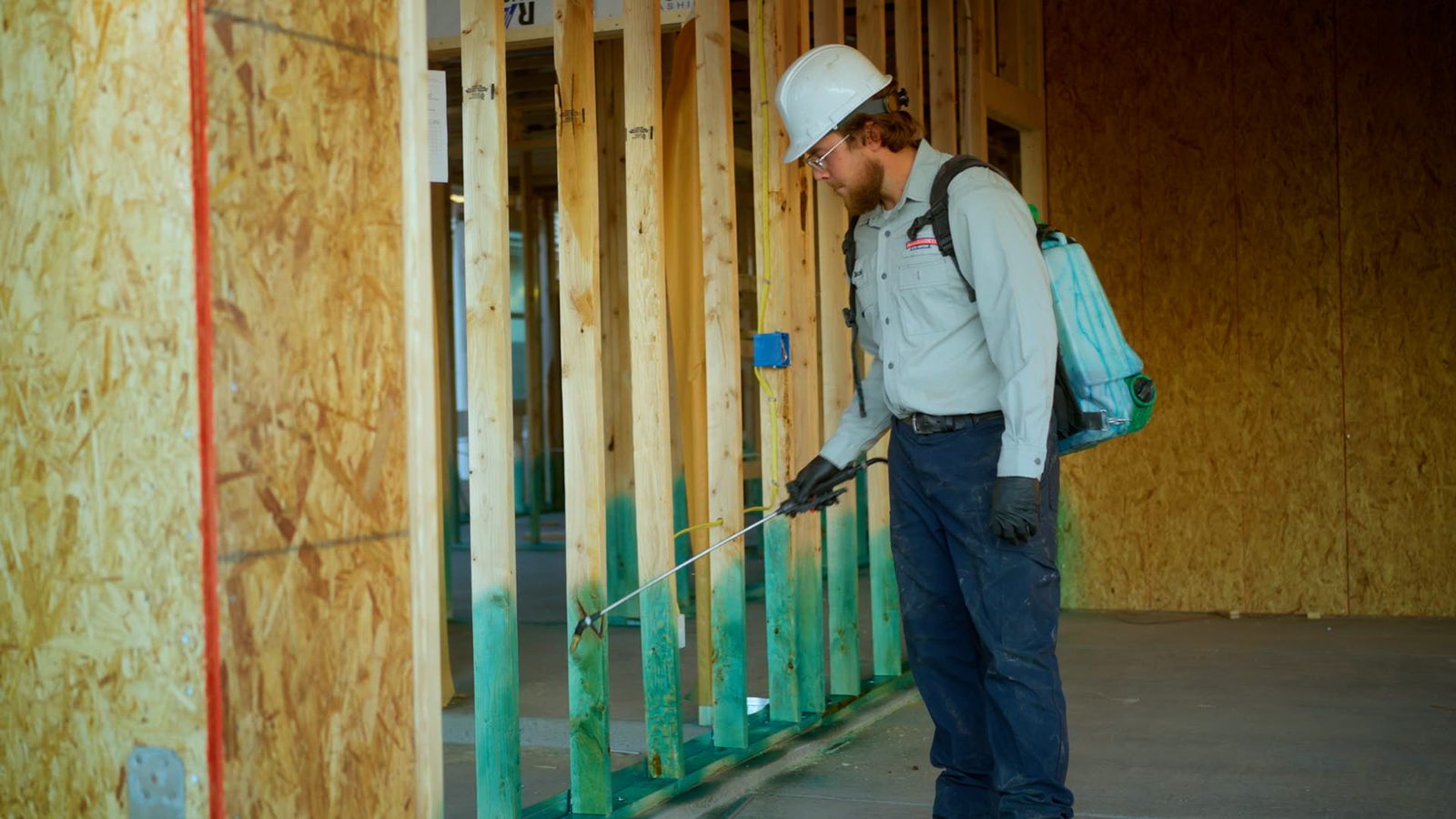
We start with an inspection of the outside of the home, the block walls and the landscape, then treat the entry points and the harborage areas where scorpions hide. We also look at what is feeding them, since controlling roaches and crickets takes away their reason to stay. Our work is guided by what our technicians find at each home, not a one-size routine.
We also see how the same problem plays out in nearby cities we serve. Our technicians work the same bark scorpion cycle around pest and scorpion control in Mesa, scorpion control in Chandler and Gilbert, Scottsdale and Ahwatukee, so Tempe homeowners get the benefit of what we learn across the East Valley. Related pests come up too, so our pest control in Tempe page lists everything we handle. If you would rather reach us online, you can request service and we will follow up. Or call (480) 422-8388.
If you are worried about a small child at home, tell us when you call. We will focus on the bedrooms, play areas and the places a child is most likely to meet a scorpion. Bucksworth Home Services has been locally owned since 2013, and every home we treat is backed by our 100% Money Back Guarantee *Terms and conditions apply.
Frequently Asked Questions About Scorpion Stings in Tempe
Can a scorpion sting kill a dog or cat?
It is rare, but pets can be stung, especially curious dogs. Most recover, though some need a vet visit. Call your veterinarian if your pet is drooling, limping, shaking or acting strange after you find a scorpion.
How long does a bark scorpion sting last?
The sharp pain often fades within a few hours, while numbness and tingling can last a day or two. Longer or worsening symptoms are a reason to call a doctor or Poison Control.
Should I go to the hospital for a scorpion sting?
Yes, if the person is a young child, is having trouble breathing or swallowing, has twitching or unusual eye movements, or is getting worse. For other stings, call Poison Control and follow their advice.
Are scorpions in Tempe more dangerous at night?
Scorpions are more active at night, so stings are more likely then. They are not more venomous after dark. A flashlight and shaking out shoes lower the risk.
Can you get rid of scorpions for good?
Scorpion populations move in and out of the desert, so no one can promise zero. What we can do is treat entry points, hiding spots and food sources so far fewer scorpions reach the inside of your home.
Do you treat scorpions in apartments and rentals near ASU?
We work on homes and many other properties around Tempe. Call us at (480) 422-8388 and we will tell you what makes sense for your building.