
Harvester ants are large red, orange, brown or black desert ants (about ¼ to ½ inch long) that collect seeds and clear a bare circle of dirt around their nest. They don't damage houses, but they sting hard and defend the nest aggressively. In a Queen Creek yard where kids or pets play, treat the nest with a labeled bait or call (480) 422-8388.
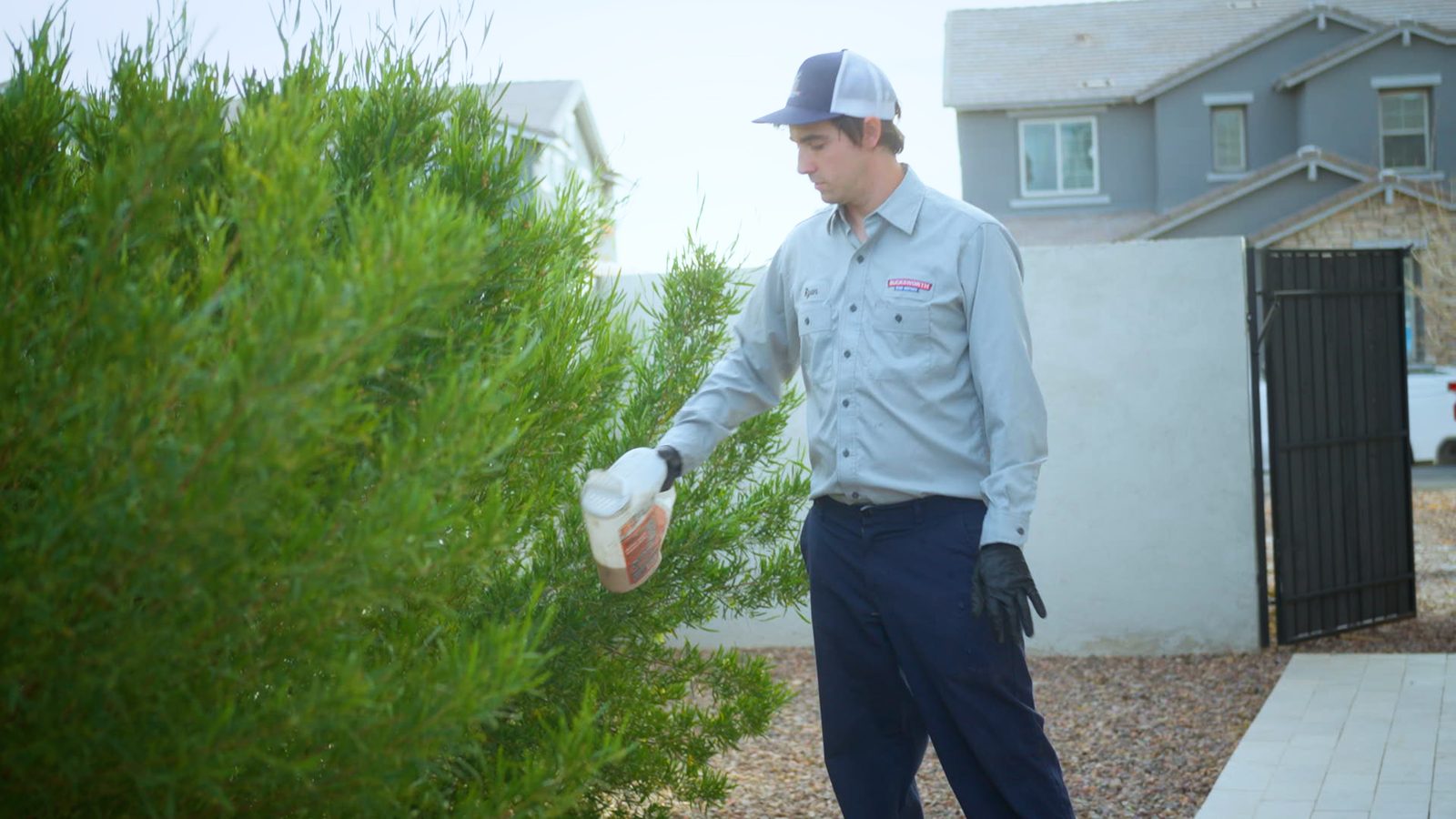
Most Queen Creek homeowners meet harvester ants the same way. A bald patch of dirt shows up in the gravel, with a low mound of tiny pebbles in the middle and a steady line of big reddish ants carrying seeds into a hole. Then somebody kneels down to pull a weed near it, or the dog noses the mound, and finds out how much the sting hurts. This guide covers how to tell harvester ants apart from other Arizona ants, when they actually need treatment, and what works on them. Most DIY ant products are made for sugar ants, and harvester ants eat something else. For the ants that come inside or nest against the foundation, our ant control in Queen Creek treats both the nests and the perimeter.
What Do Harvester Ants Look Like?
Harvester ants are some of the biggest ants you'll see in an East Valley yard. According to the University of Arizona Cooperative Extension, workers are usually ¼ to ½ inch long and range from orange and red to brown or black. Several of the 22 U.S. species live in Arizona (UA Cooperative Extension: Harvester Ants).
The nest gives them away more than the ant does. Look for these signs:
- A bare, roughly circular patch. Workers strip the vegetation around the entrance. Out in open desert these circles can reach 35 feet across. In a landscaped Queen Creek yard they're usually a few feet wide because irrigation, rock and pavers get in the way.
- A low mound of fine gravel. Many species pile tiny pebbles around the entrance, sometimes mixed with bits of charcoal and dead plant material.
- One to three entrance holes. The extension notes nests are commonly about three feet deep.
- Seed traffic. Workers walk out alone or along scent trails and come back carrying seeds. They often gather one kind of seed until it runs out, then switch.
- Midday quiet. Harvester ants are least active during the hottest part of the day, so the mound can look abandoned at 2 p.m. in July and busy again in the evening.
Is it a harvester ant or a fire ant?
Arizona's native fire ants are smaller, reddish-brown ants of mixed sizes that swarm out of loose soil when disturbed. Harvester ants are bigger, all about the same size in a given nest, and build that telltale cleared circle. The table below covers the ants Queen Creek homeowners mix up most often.
| Ant | Size and color | Nest sign | What it eats | Main problem |
|---|---|---|---|---|
| Harvester ant | ¼–½ in.; orange, red, brown or black | Bare circle with a pebble mound in the middle | Mostly seeds, some insects | Painful sting near the nest |
| Native fire ant | Small, mixed sizes; reddish-brown | Loose soil, often along sidewalks and irrigation lines | Insects, greasy and protein foods | Swarming stings when disturbed |
| Sugar ants (several small species) | Tiny; black or brown | Hidden under pavers, in wall voids, near water | Sweets, honeydew | Trails inside kitchens and bathrooms |
| Carpenter ant | Large; black or red-and-black | Sawdust-like debris near damp wood | Insects, sweets | Nesting in moist or rotted wood |
Do Harvester Ants Sting, and How Bad Is It?
Yes. Harvester ants sting, and they will aggressively defend the nest when it's disturbed. The University of Arizona extension warns that people with insect-sting allergies should be especially careful, and notes that some species have barbed stingers that pull out in the skin, the way a honeybee's does. Most people describe the sting as sharp and long-lasting compared with other ants.
One of the species found in the low deserts around Phoenix is the Maricopa harvester ant (Pogonomyrmex maricopa). Insect venom researchers rank its venom among the most toxic of any insect tested. That doesn't mean one sting is dangerous to a healthy adult; the dose from a single ant is tiny. It does mean a mound next to a play area or a dog run deserves attention.
What to do after a sting:
- Move away from the mound so you don't collect more stings.
- Wash the spot with soap and water and use a cold pack for the pain and swelling.
- Watch for signs of a severe allergic reaction: trouble breathing, swelling of the face, lips or throat, hives spreading across the body, or dizziness. Call 911 if any appear.
- For a pet that was stung many times or seems weak or swollen, call your veterinarian.
Why Are Harvester Ants So Common in Queen Creek Yards?
Queen Creek was farmland and open desert not long ago, and harvester ants were here first. Our technicians see the most nests in three kinds of places around 85140 and 85142:
- Lots that back onto open desert. Homes on the south and east edges of town, toward San Tan Mountain Regional Park, border undisturbed desert where colonies are already established. New colonies spread into the closest bare, sunny ground, which is often a back yard.
- Acreage and horse properties. Around the Horseshoe Park and Equestrian Centre area and the larger lots off Ellsworth and Rittenhouse, wide gravel areas and seed from feed and weeds give harvester ants everything they need.
- Newer neighborhoods with fresh decomposed granite. In communities like Hastings Farms and Ironwood Crossing, freshly graded yards with sparse plants are exactly the open, sunny ground new queens look for.
Weeds feed them, too. Harvester ants live on seeds, so a yard with spurge, grasses and other seeding weeds is a pantry. Keeping weeds from going to seed is one of the quiet ways to make a yard less attractive to them.
When Do Harvester Ants Swarm and Start New Nests?
In Arizona, winged male and female harvester ants fly, mate and start new nests in spring or summer, usually after a rain. The males die after mating. The new queen drops her wings, digs a burrow and lays her first eggs, and a queen can keep a colony going for years. That's why the same yard can see a new mound appear after the monsoon even when last year's nest was treated.
Arizona searches follow the same pattern. This is how often people in Arizona searched "harvester ants" on Google over the last 12 months (DataForSEO, Google Ads data for Arizona):
| Month | Arizona searches | What we see in Queen Creek yards |
|---|---|---|
| Nov 2025 – Jan 2026 | 260–480 | Cool weather; mounds are quieter but still active on warm afternoons |
| Feb – Mar 2026 | 390–480 | Activity picks up as the ground warms |
| Apr 2026 | 1,600 | Peak foraging on spring weed seed |
| May 2026 | 720 | Hot, dry stretch; most foraging in the morning and evening |
| Jun – Sep 2026 | 880–1,300 | Monsoon rains bring flights and new mounds |
| Oct 2026 | 880 | Fall seed crop keeps colonies busy |
Do You Need to Get Rid of Harvester Ants?
Not always, and that surprises people. The University of Arizona extension calls harvester ants a useful part of the desert: they spread seed, loosen the soil and feed other animals. Horned lizards depend on them, and harvester ants can make up as much as 90% of a horned lizard's diet. The extension's advice is to leave a nest alone if it's in a quiet corner of the property, and to treat only nests that put people or pets at risk.
In practice, here's how we'd decide in a Queen Creek yard:
- Treat it: nests in or next to a play area, dog run, pool deck, patio, walkway, garden bed you work in, or along the foundation; anyone in the house with a sting allergy.
- Probably leave it: a nest at the far edge of an acreage lot or in a desert strip nobody walks through.
- Get help: several nests, nests that come back after treatment, or ants getting into the house along with other pests.
How Do You Get Rid of Harvester Ants Without Getting Stung?
Use a bait that the label says is for harvester ants, put it where the foragers will find it, and give it time. The extension names hydramethylnon as the most common active ingredient in these baits. Foragers carry the bait back to the nest, where it reaches the rest of the colony and the queen. Here's the approach that works:
- Read the label first. Make sure it lists harvester ants and the site you're treating (lawn, landscape, driveway). The label sets the amount, placement and how long kids and pets stay off the area.
- Find the trails. Watch the mound in the morning to see which direction the workers travel, and place the bait along those routes and around the cleared area, not dumped into the hole.
- Don't disturb the mound. Raking, digging or watering the nest makes the ants move the colony or stop foraging, and it gets you stung.
- Keep the bait dry. Skip a day when sprinklers or rain will soak the area.
- Be patient. Baits take time to reach the whole colony. Check activity again in a week or two before deciding it didn't work.
Why don't sugar baits and sprays work on harvester ants?
Harvester ants are seed eaters, so sweet baits made for kitchen ants usually aren't the food they're looking for. That's the same reason a borax-and-sugar mix that sometimes works on sugar ants does little here; we explain that bait in our post on whether borax and sugar kill ants. A surface spray kills the workers you hit, but the queen is several feet underground and keeps laying eggs. Our post on why store-bought ant sprays fail in Queen Creek goes into that in more detail.
What should you never pour on an ant mound?
Don't use gasoline, bleach, boiling water near plants, or mixes of household chemicals. They're dangerous to you and your pets, they can poison the soil around your plants, and they often just push the colony to dig a new entrance a few feet away.
What Does Professional Harvester Ant Control Look Like?
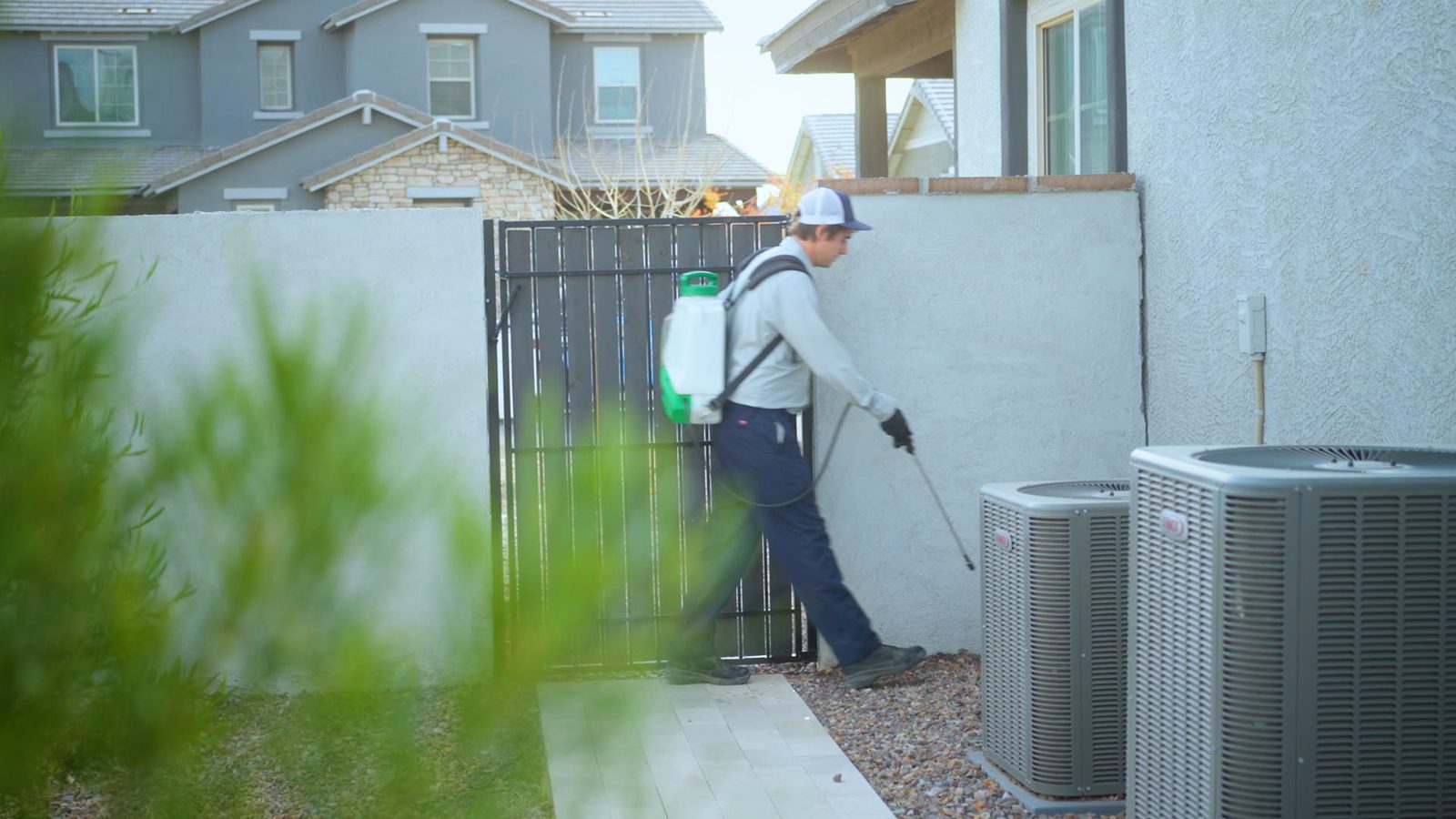
When we treat harvester ants at a Queen Creek home, we start by walking the whole yard, because one obvious mound often has company along the back wall or in the side yard. Our technicians identify the ant first, since the right product for harvester ants is different from what works on fire ants or the small ants trailing into the kitchen. Then we treat the active nests with products labeled for harvester ants and look at the perimeter for any other ants or pests getting into the house.
Because harvester ants usually show up alongside other desert pests, most Queen Creek homeowners pair ant treatment with regular pest control in Queen Creek. Your technician tells you how long to keep kids and pets off treated areas for the product used. If you're also seeing scorpions near those same block walls, our scorpion control in Queen Creek covers the walls, weep screeds and door gaps where both pests come in. Our earlier guide on scorpion control for Hastings Farms homeowners explains that side of it.
Do Harvester Ants Get Into Houses?
Rarely. Harvester ants live outdoors and don't nest in walls or eat household food. When a homeowner finds ants inside, it's usually a smaller species following moisture or sweets. If you have both problems, the outdoor harvester ants and the ants in the pantry need different treatments. Our ant elimination guide for Gilbert homeowners covers the indoor kinds we see most across the East Valley.
Do We Treat Harvester Ants in Nearby Cities Too?
Yes. Our Phoenix-area team covers Queen Creek and the communities around it, including San Tan Valley, Gilbert, Mesa, Florence and Apache Junction. San Tan Valley has the same desert-edge neighborhoods off Hunt Highway, and our pest control in San Tan Valley sees plenty of harvester ant mounds in new-build gravel yards. To the north, pest control in Mesa covers the east Mesa neighborhoods near the Superstitions, and our pest control in Apache Junction team works right at the base of the mountains, where colonies are everywhere. You can find everything we do locally on our Queen Creek services page.
Frequently Asked Questions About Harvester Ants in Queen Creek
Are harvester ants dangerous?
They're not dangerous to your house, but their sting is painful, and they defend the nest aggressively. People with insect-sting allergies should take them seriously. A nest near a play area, pool deck or dog run is worth treating.
Why is there a bare circle of dirt in my yard?
That's almost always a harvester ant nest. Workers clear the plants around the entrance and often build a low mound of fine gravel in the middle. Look for large reddish or dark ants carrying seeds in and out of a hole.
Should I leave harvester ants alone?
If the nest is in a far corner of the property that nobody uses, the University of Arizona extension suggests leaving it, since harvester ants help the desert and feed horned lizards. Treat nests that are close to people or pets.
What is the best way to kill harvester ants?
A bait labeled for harvester ants, placed along the foraging trails and around the cleared area, works better than sprays. The workers carry it into the nest and it reaches the queen. Follow the label and give it a week or two.
Do harvester ants come back after treatment?
A treated colony usually doesn't, but new queens fly after spring and monsoon rains and can start a new nest nearby. Yards next to open desert see new mounds more often, so it's worth checking each summer.
How do I get rid of harvester ants in Queen Creek, AZ?
Start with the steps in this guide. If the nest is close to where your family or pets spend time, or the ants keep coming back, call our Phoenix-area team at (480) 422-8388 or request service online. We'll identify the ant, treat the nests and check the rest of the yard while we're there.