
Earwigs are reddish-brown, night-active insects about ¾ inch long with a pair of pincers on the tail end. They are not dangerous: they don't spread disease and only pinch if they're trapped or squeezed. In Mesa they hide in damp mulch and potted plants and wander indoors when the yard dries out. For help, call (480) 422-8388.
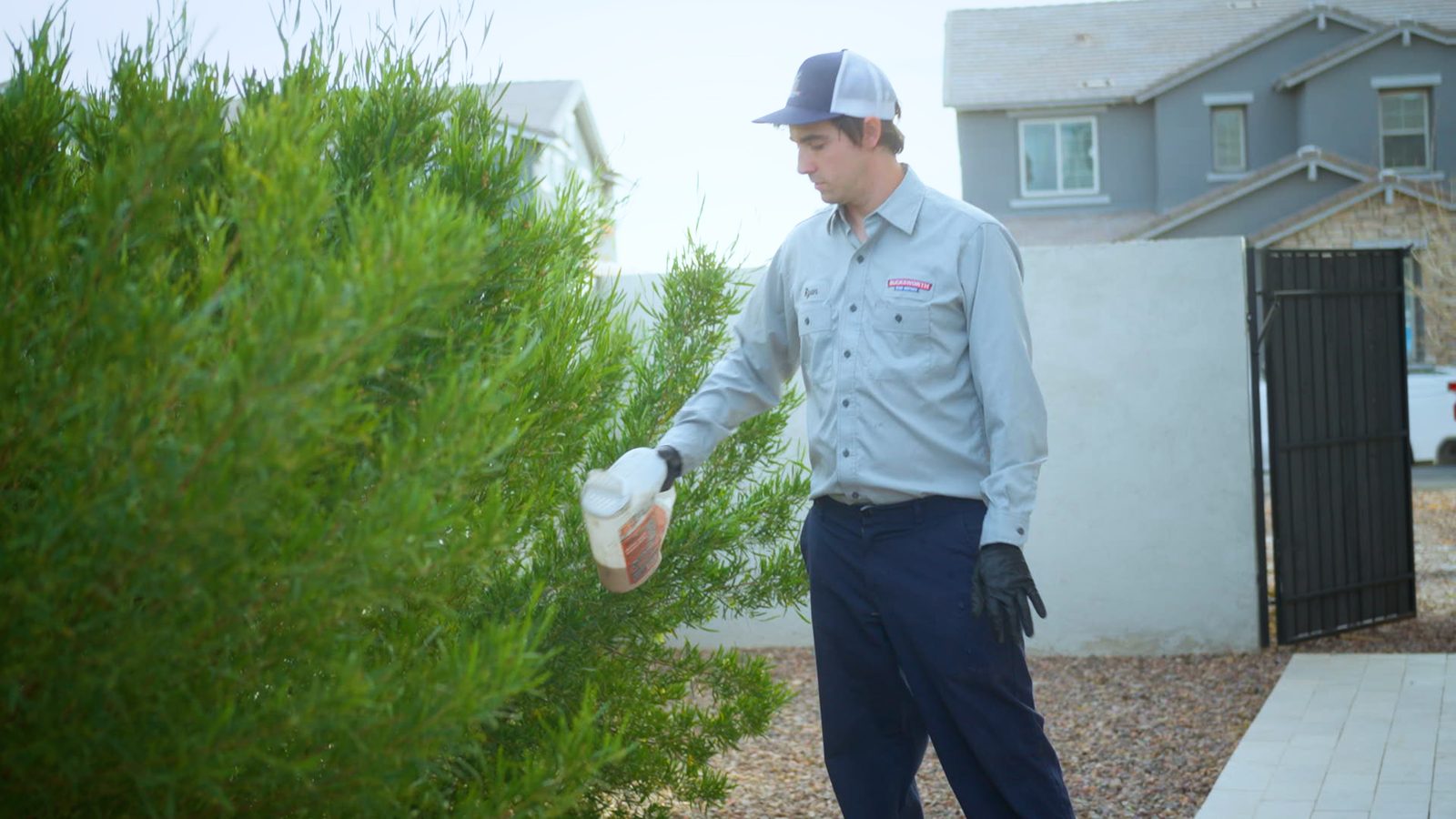
Most Mesa homeowners meet their first earwig in a bathroom, on the kitchen floor at night, or under a potted plant they just picked up on the patio. They look alarming, and the pincers on the back end are the reason. The good news is that earwigs are a nuisance, not a health problem. The less good news is that if you're seeing a lot of them, your yard is holding more moisture and cover right against the house than it should. This guide covers what earwigs are, why they show up in Mesa homes, how to tell them apart from the other bugs that come in from the yard, and what actually gets rid of them. If you want a technician to handle it, our pest control in Mesa covers earwigs along with the crickets, roaches and spiders that use the same hiding spots.
What Are Earwigs?
Earwigs are insects in the order Dermaptera. The one most homeowners see is the European earwig (Forficula auricularia), which was brought to North America from Europe in the early 1900s and is now common in irrigated yards across the western states. According to University of California IPM's earwig Pest Note, adults are about ¾ inch long and reddish brown, with forceps-like pincers called cerci at the rear.
A few details make them easy to recognize:
- The pincers: curved and wider apart on males, straighter and closer together on females.
- Short wing covers: most earwigs have small leathery covers over folded wings, but they rarely fly.
- Flat, long body: built for squeezing into cracks, under boards and between pots and pavers.
- Young earwigs (nymphs): look like small, pale, wingless adults.
The name comes from an old European myth that they crawl into people's ears. They don't. They look for tight, dark, damp spaces, and an ear isn't one of the places they go looking.
Are Earwigs Dangerous to People or Pets?
No. UC IPM is clear that earwigs are not dangerous and generally don't attack people. They can give a small pinch if one gets caught in clothing, a towel or a shoe, or if you sit or lie on one. A pinch can sting for a moment and rarely breaks the skin. Earwigs don't carry disease, don't feed on blood and don't damage the structure of a house.
They aren't harmful to dogs or cats either. The bigger concern for Mesa pets is what else lives in the same damp, dark spots, which is often crickets, and crickets draw bark scorpions. More on that below.
Why Are Earwigs Coming Into My Mesa Home?
Earwigs need moisture. In a dry climate like ours they gather wherever water collects: drip-irrigated flower beds, mulch, potted plants, turf edges and the shady side of the house. UC IPM notes they come indoors when outdoor conditions get too dry, hot or cold. In Mesa that usually means two things.
Summer heat pushes them toward the house
When summer heat dries out the top layer of soil, the coolest, dampest spots on the lot are right at the foundation: under the AC condensate line, along a dripping hose bib, in planters against the wall. From there, a gap under the door or a weep screed crack is only inches away.
The yard gives them a place to hide
Earwigs feed at night and hide during the day. Thick ground cover, stacked pavers, wood mulch, leaf litter and pots set directly on the ground all make good daytime hiding spots. Older yards with grass lawns in Downtown Mesa (85201) and the lakeside landscaping around Dobson Ranch (85202) tend to stay damp longer than gravel yards in Eastmark (85212) or Las Sendas (85207). Earwigs still turn up in the newer neighborhoods, usually around drip emitters and potted plants on the patio.
When Do Earwigs Show Up in Arizona?
Earwigs can be active most of the year in a mild winter climate, but Arizona search data shows when people actually notice them. Here's how many times a month Arizonans searched "earwigs" on Google over the past year (DataForSEO, Google Ads data for Arizona, pulled November 2026):
| Month | Arizona searches for "earwigs" |
|---|---|
| Nov 2025 | 2,900 |
| Dec 2025 – Feb 2026 | 2,400 each month |
| Mar 2026 | 4,400 |
| Apr – May 2026 | 5,400 each month |
| Jun 2026 | 8,100 (peak) |
| Jul – Aug 2026 | 6,600 each month |
| Sep 2026 | 5,400 |
| Oct 2026 | 4,400 |
Interest more than triples from winter to June, the hottest and driest stretch before the monsoon. That lines up with what UC IPM describes: earwigs move indoors when it gets too dry or hot outside. In November, the extra watering that comes with overseeded winter lawns and new fall plantings can keep beds damp enough for them.
How Can I Tell Earwigs From Other Bugs in My House?
Several bugs that come in from the yard get mistaken for each other. This table covers the ones we're asked about most in Mesa:
| Bug | What it looks like | Where you'll find it | Concern |
|---|---|---|---|
| Earwig | Reddish-brown, flat, about ¾ inch, pincers on the tail | Bathrooms, kitchens, under pots and mats | Nuisance; may pinch if squeezed |
| Silverfish | Silvery, carrot-shaped, three thin tail bristles, no pincers | Closets, bathrooms, stored paper and boxes | Can damage paper, books and fabric |
| Cricket | Brown to black, long back legs for jumping, long antennae | Garages, door thresholds, near lights | Nuisance; draws scorpions |
| American cockroach | Reddish-brown, 1½ inches or more, oval, wings, no pincers | Drains, water meter boxes, garages | Contaminates food surfaces |
| Pill bug | Gray, armored, rolls into a ball | Damp soil, under pots and mulch | Mostly harmless; sign of damp soil |
If the bug has pincers on the back end, it's an earwig. If you're not sure whether what you found is a roach, our guide on identifying Arizona roaches walks through each species, and water bugs vs. cockroaches covers the big ones that come up from drains.
Do Earwigs Damage Plants in Mesa Yards?
Sometimes. UC IPM lists seedlings, soft fruit like strawberries and apricots, corn silks and soft flowers such as marigolds, zinnias and dahlias as the plants earwigs damage most. The chewed leaves have ragged holes that look like caterpillar damage. Mature shrubs, turf and the desert plants most Mesa yards use are rarely a problem.
Earwigs also eat aphids, insect eggs and mites, so in a vegetable garden or a citrus tree they can do some good. If you're only seeing a few outside and nothing is getting chewed, you don't need to do anything about them outdoors. The goal is to keep them from building up right against the house.
How Do I Get Rid of Earwigs?
Earwigs are a moisture and cover problem first and a bug problem second. These steps, in this order, make the biggest difference.
- Fix water at the foundation. Repair leaking hose bibs and drip emitters, point the AC condensate line away from the wall and water in the early morning so the surface dries during the day.
- Pull back mulch and debris. Keep a dry strip of bare gravel or soil between planting beds and the foundation. Move stacked pavers, boards, leaf piles and firewood away from the house.
- Raise or move pots. Potted plants sitting on the patio are one of the most common hiding spots. Put them on pot feet and move them a few feet from doors.
- Seal the way in. Replace worn door sweeps and weatherstripping, caulk gaps where pipes and cables go through the wall and fix torn screens.
- Change the porch light. UC IPM recommends yellow or sodium vapor bulbs outdoors because they attract fewer insects.
- Trap the ones outside. A rolled-up damp newspaper or a piece of corrugated cardboard left near a bed overnight collects earwigs by morning. Shake them into soapy water and repeat until you're catching very few.
Inside, sweep or vacuum up the earwigs you find. UC IPM doesn't recommend spraying insecticide indoors for earwigs, because the ones inside came from outside and more will follow until the source is fixed.
Do Earwigs Attract Scorpions?
Not directly, but the conditions that bring earwigs also bring the insects bark scorpions hunt. Damp mulch and dense beds next to the house hold crickets, roaches and other small insects, and scorpions in Red Mountain, Las Sendas and East Mesa follow that food to the foundation. Our post on getting rid of crickets before they draw in scorpions explains how that chain works. Drying out the foundation and clearing the cover does double duty: fewer earwigs and less for scorpions to eat.
When Should I Call a Pest Control Company for Earwigs?
A few earwigs after a watering day isn't a reason to call anyone. It's worth getting help when:
- you're finding earwigs inside every day, even after fixing water and moving pots and mulch;
- you're also seeing crickets, roaches or scorpions, which means the perimeter is holding more than one pest;
- you can't find where they're getting in or what's keeping the soil wet.
| What you can do yourself | What our technicians add |
|---|---|
| Fix leaks, move pots and mulch, change bulbs | An inspection of the foundation, door thresholds, weep screeds and irrigation to find where moisture and entry points line up |
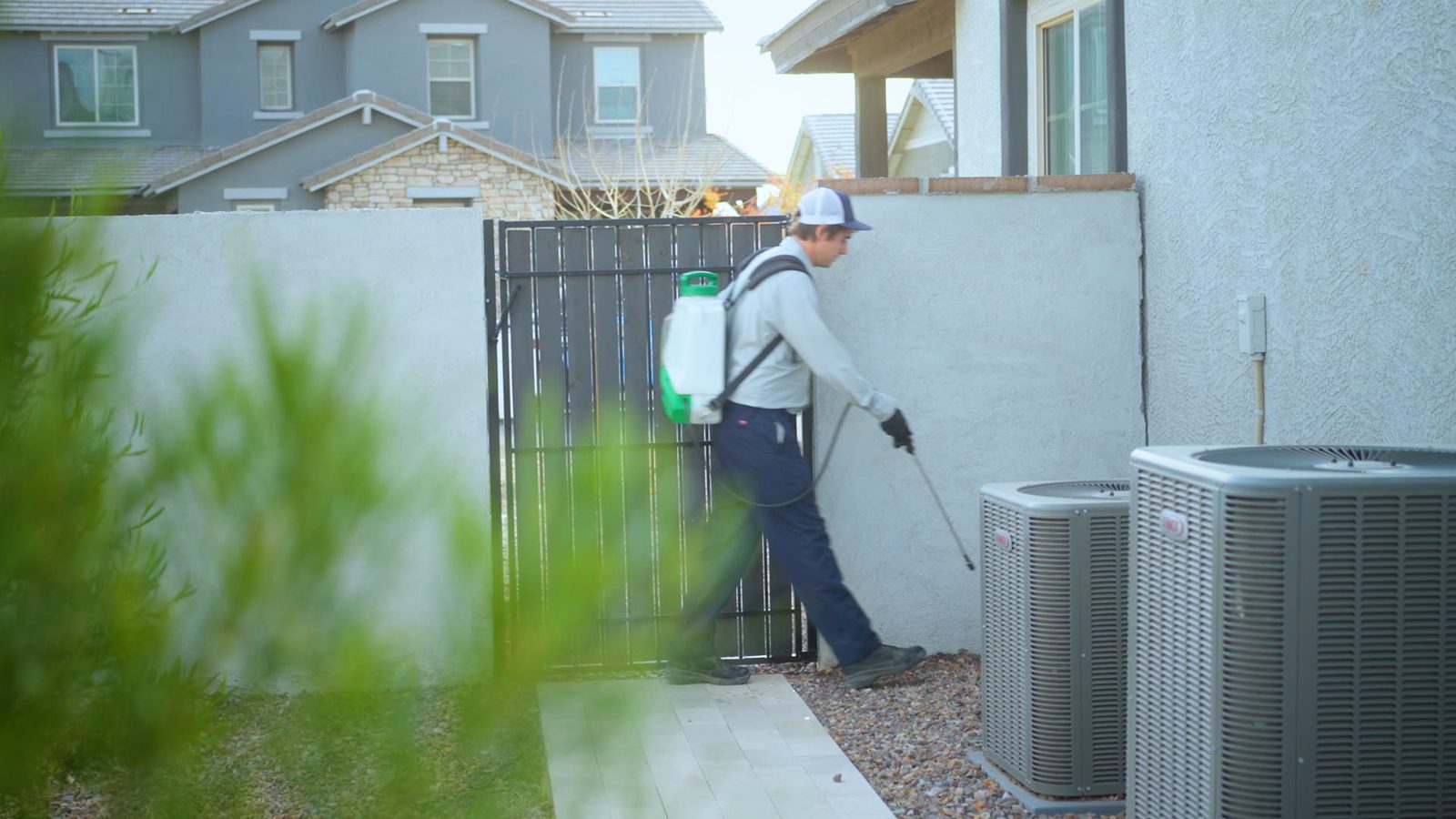
| Trap and sweep up earwigs | A perimeter treatment around the foundation and entry points, applied according to the product label |
| Seal the obvious gaps | Follow-up visits that also cover crickets, roaches, spiders and scorpions, which live in the same spots |
When we treat for earwigs, we'll tell you which areas to keep people and pets away from and for how long, based on the product label. If spiders are part of the problem too, see our spider control in Mesa, and for roaches coming up from drains, our roach control in Mesa.
Earwigs turn up in every part of Mesa, from older irrigated yards near Downtown Mesa and Dobson Ranch to the newer homes in Eastmark and Superstition Springs. Damp corners also pull in fruit flies and gnats, which our Mesa guide to fruit flies and gnats covers. Our main Mesa service page lists everything we do in the city.
We also serve Gilbert, Chandler, Tempe, Queen Creek and Apache Junction. If you're next door in Gilbert, our pest control in Gilbert covers the same yard pests. West of the 101, our Phoenix pest control team handles earwigs and other occasional invaders across the city.
Frequently Asked Questions About Earwigs
Do earwigs bite or pinch?
Earwigs don't bite people in any meaningful way, but they can pinch with their tail pincers if they're trapped in clothing or bedding or squeezed. The pinch is brief, rarely breaks the skin and doesn't carry disease.
Do earwigs really crawl into people's ears?
No. That's a myth behind the name. Earwigs hide in tight, dark, damp places such as cracks, mulch and under pots. They have no particular interest in ears.
Why do I keep finding earwigs in my bathroom?
Bathrooms are the dampest rooms in most houses. Earwigs that come in under doors or through wall gaps end up near tubs, sinks and floor drains because that's where the moisture is. Fixing outdoor moisture near the foundation and sealing entry points is what stops it.
Can earwigs infest a house?
Not usually. Earwigs need damp soil to lay eggs and raise their young, so they breed outside. The ones inside wandered in from the yard, and they don't set up colonies indoors the way cockroaches can.
What kills earwigs naturally?
Trapping works well outdoors: leave rolled damp newspaper or corrugated cardboard near beds overnight, then shake the earwigs into soapy water in the morning. UC IPM also lists spinosad baits as an option, though they work poorly when other food is available. Removing damp mulch and debris near the house matters more than any product.
How do I get rid of earwigs in Mesa, AZ?
Dry out the strip along your foundation, move pots and mulch away from the house, seal door gaps and switch to yellow porch bulbs. If they keep coming in, call our Phoenix-area team at (480) 422-8388 or request service online, and we'll find where they're getting in and treat the perimeter.