
Pill bugs, also called roly polies, are small gray crustaceans, not insects, that roll into a ball when touched. They're harmless to people and pets. In Gilbert they live wherever irrigation keeps soil and mulch damp, and they wander into garages and homes along the foundation. For help, call (480) 422-8388.
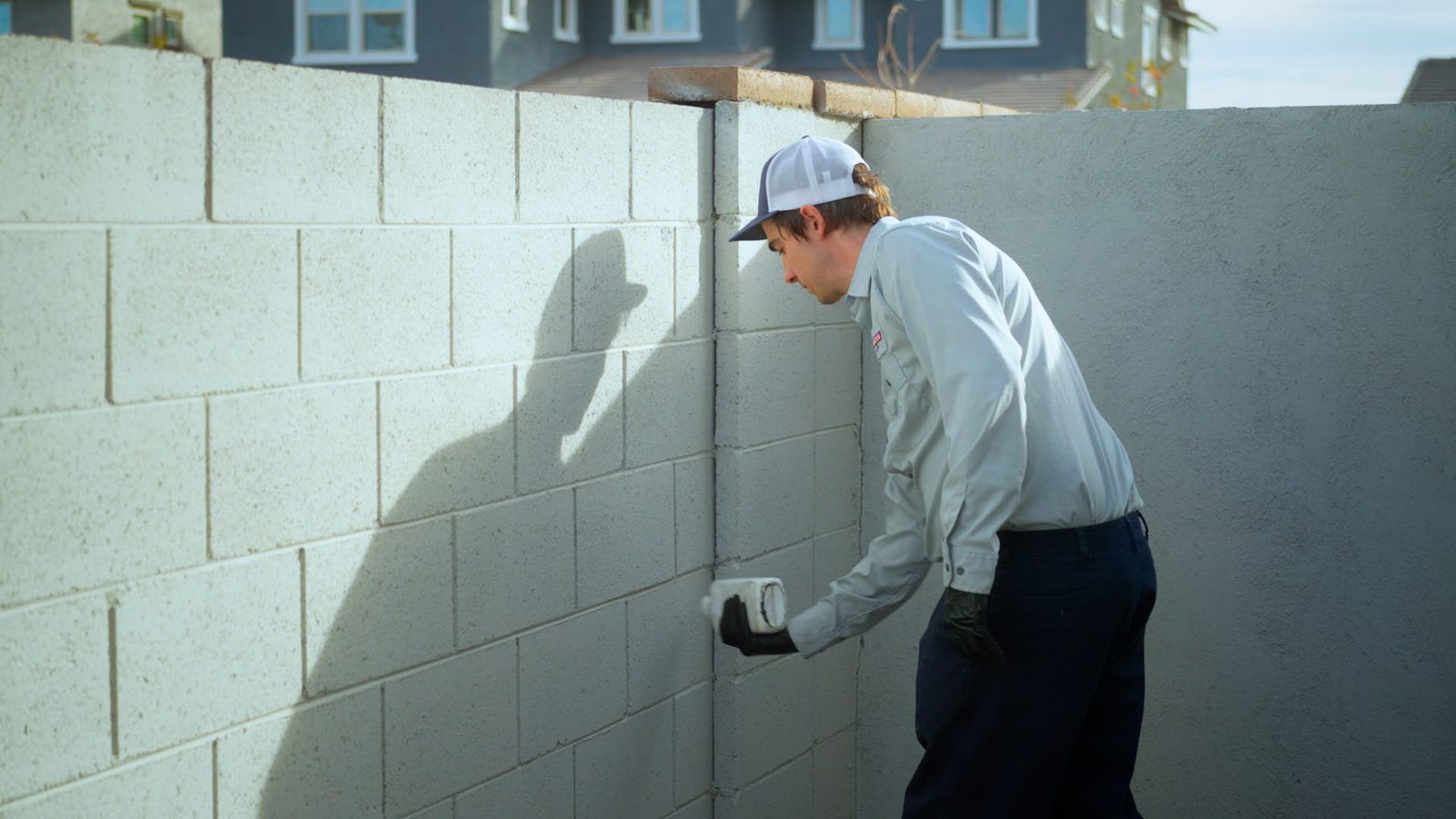
Most Gilbert homeowners notice pill bugs the same way. You open the garage in the morning and there are a dozen little gray "bugs" along the bottom of the door. Or you lift a pot on the patio and find a pile of them curled into tiny balls. Kids love them. Adults mostly want to know two things: are they a problem, and why are there so many? The short answer is that pill bugs aren't dangerous, but a large number of them tells you something about the moisture right next to your house. This guide explains what pill bugs are, why Gilbert yards grow so many of them, how to tell them from the other small creatures that come in from the yard, and what actually reduces them. If you'd rather hand it off, our pest control in Gilbert covers pill bugs along with the crickets, earwigs, roaches and scorpions that use the same damp hiding spots.
What Are Pill Bugs?
Pill bugs are land-living isopods, a group of crustaceans related to shrimp and crabs. They aren't insects or true bugs at all. According to University of California IPM's guide to pillbugs and sowbugs, adults are about 1/3 to 3/4 inch long and have seven pairs of legs, where insects have three. The common pill bug's scientific name is Armadillidium vulgare, a nod to the way it curls up like an armadillo.
Here's how to recognize one:
- Shape: an oval, domed body made of overlapping gray or slate-colored plates.
- Legs: 14 short legs, seven on each side.
- The roll: when disturbed, a pill bug curls into a tight ball that looks like a pill. That's where both names come from.
- Rear end: smooth and rounded, with no tail-like points.
- Movement: slow and steady, mostly at night or in the early morning.
Pill bugs carry their eggs in a brood pouch under the female's body. UC IPM notes that eggs hatch about a month after they're produced, the young stay in the pouch for about two weeks, and adults can live two to five years. That long life is one reason a damp yard can build up a large population over a few seasons.
Are Pill Bugs and Roly Polies the Same Thing?
Yes. "Pill bug," "roly poly," "potato bug" and "doodlebug" are all common names for the same animal. People often lump in sow bugs too, which look almost identical. The easy test is to touch one gently. A pill bug rolls into a ball. A sow bug can't roll up and just runs. Sow bugs also have two small tail-like points at the back end that pill bugs don't have. For a homeowner the difference doesn't change much, because both need the same damp conditions and both respond to the same fixes.
Why Do Gilbert Yards Have So Many Pill Bugs?
Pill bugs dry out quickly, so they can only live where the ground stays damp. In open desert that's a short list. In Gilbert, irrigation turns much of the town into exactly the habitat they need.
What we see on service calls around town:
- Val Vista Lakes (85295, 85234): lakefront yards, lush beds and frequent watering keep soil moist close to the house year-round.
- Agritopia (85296): vegetable beds, fruit trees and composted soil give pill bugs both moisture and the decaying plant material they eat.
- Cooley Station (85233, 85295) and Freeman Farms (85234): mature trees and established landscaping drop leaves that collect along walls and under shrubs.
- Power Ranch (85297), Seville (85298) and Higley (85236): newer homes where drip lines, sprinklers and rock-over-fabric beds hold water right against the stem wall.
The common thread is wet soil plus organic debris next to the foundation. Sprinklers that hit the wall, a dripping hose bib, a drip emitter at the slab edge, bark mulch piled against the stucco or a stack of pots on the patio will each support a colony. Areas near the Riparian Preserve at Water Ranch and the green belts and lakes in master-planned communities add even more moisture to the neighborhood.
Are Pill Bugs Harmful?
Pill bugs don't bite, sting, carry disease or damage your home's structure. They feed mostly on decaying plant material, which makes them useful recyclers in a compost pile. UC IPM notes they occasionally feed on seedlings, new roots, lower leaves and fruits or vegetables touching the soil, so they can be a nuisance in raised beds and around tender transplants.
Indoors they're a nuisance, not a threat. They don't eat food in your pantry, chew wiring or nest in walls. A pill bug that wanders into a dry, air-conditioned room usually doesn't last long. If you're finding them inside every day, they're coming in from a damp spot just outside, and that's what needs fixing.
There's one more reason to pay attention. The same damp strip along the foundation that holds pill bugs also holds crickets, earwigs and roaches, and those draw in predators like spiders and bark scorpions. A heavy pill bug population is often a sign the yard is set up to support the whole food chain. Our scorpion control in Gilbert starts by finding those same moisture and food sources.
How Do You Tell Pill Bugs From Other Small Yard Pests?
Several small, dark creatures show up along Gilbert foundations and garage doors. This table helps sort them out.
| Creature | Size and look | Legs | Key sign | Harmful? |
|---|---|---|---|---|
| Pill bug (roly poly) | 1/3–3/4 in, gray, domed, armored plates | 7 pairs | Rolls into a ball | No |
| Sow bug | Same size, flatter, two tail points | 7 pairs | Can't roll up, runs | No |
| Millipede | Long, round, many segments | 2 pairs per segment | Coils into a spiral, not a ball | No bite; some give off a smelly fluid |
| Earwig | About 3/4 in, reddish brown, flat | 3 pairs | Pincers on the tail | Can pinch if trapped |
| Cricket | Brown to black, long back legs | 3 pairs | Jumps, chirps at night | No, but feeds scorpions |
If what you're seeing has pincers, our guide what are earwigs covers them in detail. If it jumps and chirps, read how to get rid of crickets before they draw in scorpions. And if the "bug" in the garage is larger, shiny and fast, it may be a roach; our post on water bugs vs cockroaches in Gilbert explains the difference.
When Do Pill Bugs Show Up in Arizona?
Pill bugs are active whenever the ground is damp and temperatures are mild. In Gilbert that means spring is the busiest stretch, when yards are being watered heavily and nights are still cool. They also surge after monsoon storms and in fall and winter when overseeded lawns and beds get frequent watering. In the hottest, driest weeks of early summer they retreat deeper under mulch, rocks and pots during the day.
Search demand follows the same pattern. These are monthly Google searches from Arizona, from DataForSEO's Google Ads data pulled in November 2026:
| Month | "roly poly" | "pill bugs" |
|---|---|---|
| November 2025 | 880 | 480 |
| January 2026 | 1,000 | 480 |
| March 2026 | 1,300 | 880 |
| April 2026 | 1,300 | 720 |
| July 2026 | 720 | 590 |
| October 2026 | 880 | 590 |
Over the last 12 months, "roly poly" averaged about 1,000 Arizona searches a month and "pill bugs" about 590, with both peaking in March. That matches the spring surge in activity described above, when pill bugs start turning up in garages and on patios.
How Do You Get Rid of Pill Bugs?
The fix for pill bugs is mostly about moisture. Spraying without drying things out gives short relief at best, because the next group moves in from the damp bed next door. Start with these steps:
- Water less often and earlier. UC IPM recommends irrigating early in the day so surfaces are drier by evening. Check your controller after the seasons change; many Gilbert systems run spring schedules well into fall.
- Keep the foundation strip dry. Adjust sprinkler heads that hit the wall, move drip emitters away from the slab and fix leaking hose bibs and AC condensate lines that drip onto soil.
- Pull mulch and debris back. Keep bark mulch, compost, leaf piles and grass clippings away from the house. Rock or bare soil in the first foot or so along the wall stays drier.
- Lift pots and stored items. Put pot feet under planters and move firewood, boards and boxes off the ground and away from walls.
- Seal the entry points. Replace worn garage door seals and door sweeps and caulk gaps where the stucco meets the slab.
- Protect seedlings. UC IPM suggests raised beds, drip irrigation instead of sprinklers and keeping compost away from young plants.
Inside, a vacuum or broom is all you need for the pill bugs you find. They won't set up a colony in a dry home.
When Should Gilbert Homeowners Call a Pest Control Company?
A few pill bugs in the flower bed are normal and even helpful. It's worth a call when you're sweeping them out of the garage or house every day, when they're showing up alongside crickets, earwigs or roaches, or when you've started seeing spiders and scorpions near the same doors.
When our technicians handle pill bugs, we don't treat them as a standalone problem. Here's how a visit compares with doing it yourself:
| What you can do | What our visit adds |
|---|---|
| Adjust watering and move mulch | A walk-around to find where moisture, debris and entry points line up |
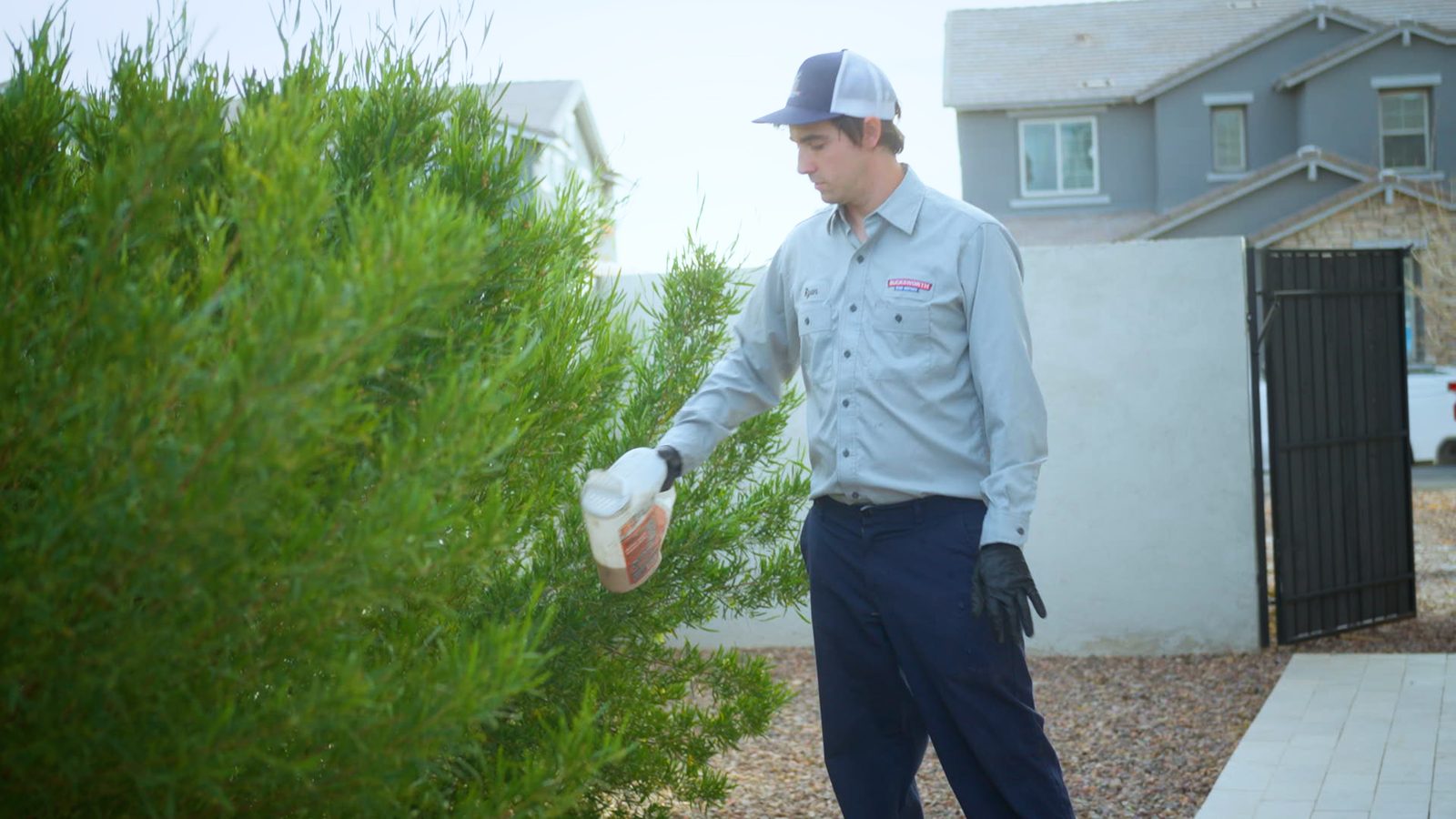
| Sweep up the ones indoors | A perimeter treatment along the foundation and entry points, applied according to the product label |
| Replace a door sweep | Follow-up service that also covers the crickets, roaches, spiders and scorpions using the same spots |
We'll tell you which areas to keep people and pets away from and for how long, based on the product label. If standing water from irrigation is also breeding mosquitoes, our mosquito control in Gilbert handles that on the same property. For spiders hunting along the same walls, see our Power Ranch guide to year-round spider prevention.
Overwatered turf is one of the most common pill bug sources we see. If your lawn is getting extra water to hide weak spots or weeds, our weed control and lawn fertilization in Gilbert can help it stay healthy on a sensible watering schedule.
Do Pill Bugs Show Up in Nearby Cities Too?
Yes. Pill bugs follow irrigation, so we see them across the East Valley, from Gilbert to Mesa, Chandler, Queen Creek, San Tan Valley and Apache Junction. Next door in Mesa, our Mesa pest control team handles the same yard pests in neighborhoods like Dobson Ranch and Eastmark. Our main Gilbert service page lists everything we do in town, from scorpions and termites to weed control.
Bucksworth Home Services is a locally owned Arizona company based in Apache Junction, serving the Phoenix metro since 2013. Our technicians serve Gilbert homes from the Heritage District to Power Ranch and Seville.
Frequently Asked Questions About Pill Bugs
Do pill bugs bite?
No. Pill bugs have no stinger and can't bite people or pets. They're safe for kids to pick up, though it's a good idea to wash hands afterward like with anything from the soil.
Why are there so many roly polies in my garage?
Garages often sit next to the dampest part of the yard, such as a planter, a sprinkler zone or a drip line along the driveway. Pill bugs crawl in under a worn door seal at night and get stuck inside. Drying out that strip and replacing the bottom seal usually solves it.
Are pill bugs bad for my garden?
Mostly no. They eat decaying plant material and help break down mulch and compost. They can chew on seedlings, new roots and fruit touching the soil, so protect young plants with raised beds and drip irrigation and keep compost away from tender transplants.
Can pill bugs live in your house?
Not for long. Pill bugs need damp conditions and dry out quickly in a cooled, dry house. The ones you find inside came in from outside, so the fix is outside too.
What attracts pill bugs to a house?
Moisture and decaying organic matter next to the foundation: overwatered beds, bark mulch against the wall, leaf litter, leaking hose bibs, pots sitting on the ground and gaps under doors.
How do I get rid of pill bugs in Gilbert, AZ?
Water less often and earlier in the day, keep mulch and debris away from the house, fix leaks and replace door seals. If they keep coming in, call our Phoenix-area team at (480) 422-8388 or request service online, and we'll find the damp spots and treat the perimeter.